
Key Takeaways
-
1Outreach is a System: Effective patient outreach is a structured, ongoing communication system, not just a reminder call before an appointment.
-
2Segmentation Drives Relevance: Generic outreach gets ignored while messages tailored to a patient’s condition, risk level, and care stage get results.
-
3Automation Beats Manual: Automated outreach ensures no patient slips through the cracks while reducing staff workload and human error at the same time.
-
4Two-Way Beats One-Way: Outreach that lets patients respond, confirm, and ask questions builds more trust and reduces no-shows than broadcast-only messaging.
-
5Track or it Does Not Exist: Without measuring open rates, response rates, and appointment compliance, there is no way to know what is working or where to improve.
Patient outreach is no longer just a reminder call before an appointment. In modern healthcare, patient outreach refers to a structured system of communication powered by healthcare IT solutions that keeps patients informed, engaged, and connected throughout their care journey.
Implementing the right patient outreach strategies is what separates practices that retain patients long term from those that quietly lose them between visits.
From appointment reminders and follow-ups to preventive care notifications and long-term engagement, outreach plays a critical role in how patients experience your practice.
As patient expectations evolve, healthcare organizations are under increasing pressure to deliver timely, personalized, and proactive communication using healthcare automation solutions.
Effective healthcare patient outreach helps reduce no-shows, improves adherence to care plans, supports preventive care, and strengthens patient-provider relationships.
More importantly, it transforms care from reactive to proactive, ensuring patients feel supported even outside the clinic.
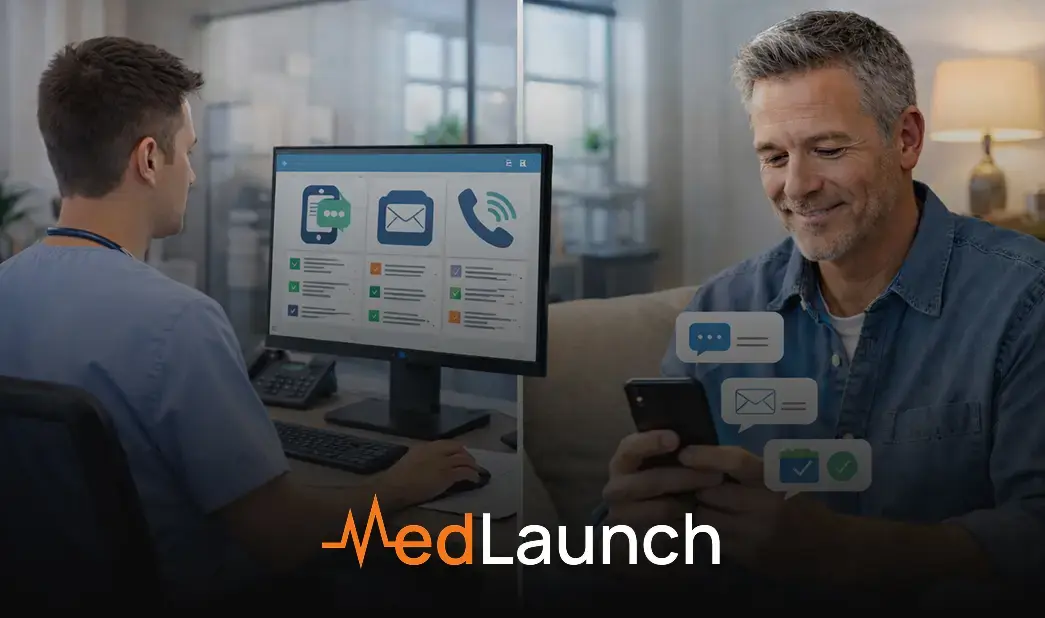
Patients today expect communication that fits their lifestyle. Some prefer text messages or app notifications, while others respond better to phone calls or email reminders. Meeting patients where they are is now a critical component of successful patient flow solutions. Practices that fail to adapt risk disengagement, lower compliance, and ultimately reduced patient satisfaction.
A well-designed patient outreach system does more than communicate; it builds trust, improves outcomes, and drives sustainable practice growth.
Table of Contents
What Is Patient Outreach in Healthcare?
Patient outreach in healthcare is any planned communication a clinic or hospital sends to patients to keep them informed, supported, and connected to their care.
It goes far beyond a simple reminder call before an appointment. Patient outreach covers everything from letting a patient know it is time for their annual checkup, to following up after a procedure, to sending helpful health tips to patients managing a chronic condition like diabetes or high blood pressure.
Think of it this way. Without outreach, a clinic only communicates with patients when they show up. With outreach, the clinic stays connected between visits, which means patients are more likely to follow their care plan, come back when they should, and feel like their doctor actually cares about them.
Patient outreach can happen through many different channels including text messages, phone calls, emails, patient portal notifications, and even postal mail for certain patient populations.
What makes it outreach rather than just communication is that it is planned, purposeful, and proactive. The clinic reaches out first rather than waiting for the patient to call.
What Is a Patient Outreach Program?
A patient outreach program is a structured, repeatable system that defines exactly who gets contacted, when they get contacted, what message they receive, and through which channel. It is the difference between sending a reminder occasionally when someone remembers to do it and having a reliable system that runs consistently whether staff are busy or not.
An outreach program is not a one-time campaign. It is an ongoing framework that covers every stage of the patient relationship from the first appointment all the way through to long-term care and even bringing lapsed patients back.
How a Patient Outreach Program Differs From Ad Hoc Communication
Most clinics do some form of outreach already, but without a program behind it, the results are inconsistent. Here is what the difference looks like in practice:
| Ad Hoc Communication | Patient Outreach Program |
|---|---|
| Reminders sent when staff have time | Reminders sent automatically on a defined schedule |
| Same message sent to every patient | Messages tailored by condition, visit type, and risk level |
| No tracking of who responded or who did not | Response rates and engagement tracked consistently |
| Reactive — clinic responds when patients reach out | Proactive — clinic reaches out before problems arise |
| Depends on individual staff members to remember | Runs automatically regardless of staff workload |
The gap between these two approaches is where most practices quietly lose patients and revenue without realizing it.
What Does a Patient Outreach Program Include?
A well-built patient outreach program covers five core components that work together as a connected system:
1. Defined Patient Segments
The program identifies different groups of patients and assigns each group its own outreach schedule. Chronic care patients, preventive care patients, post-procedure patients, and lapsed patients all have different needs and should receive different messages at different intervals.
2. Scheduled Communication Workflows
Every segment has a clear communication timeline. For example, a patient due for an annual wellness visit might receive an outreach message 60 days before their due date, a follow-up 30 days later if they have not booked, and a final reminder 2 weeks out. These workflows run automatically without relying on staff to remember.
3. Multi-Channel Delivery
A strong outreach program does not rely on a single channel. It delivers messages through the channel each patient is most likely to respond to, whether that is SMS, email, phone, or portal notification, based on their communication preferences stored in the EHR or CRM.
4. Personalized Messaging
Messages within the program are not generic. They reference the patient by name, mention their specific care need, and use language appropriate for their age and health literacy level. A message to a 70-year-old managing heart disease looks and sounds very different from one sent to a 30-year-old due for a routine physical.
5. Tracking and Optimization
The program measures how patients respond to each outreach touchpoint. Open rates, response rates, appointment conversion rates, and no-show rates are tracked regularly so the program can be refined over time based on what is actually working.
Who Needs a Patient Outreach Program?
Every clinic that wants to grow sustainably needs one. But the practices that benefit most immediately are those experiencing:
- High no-show rates that are costing the practice revenue every week
- A large number of lapsed patients who have not visited in 12 months or more
- Low preventive care compliance among chronic disease patients
- Staff who spend too much time on manual reminder calls and follow-ups
- Inconsistent communication that patients notice and complain about in reviews
A patient outreach program solves all of these problems at once by replacing inconsistent manual effort with a reliable, automated, and personalized communication system that runs in the background while staff focus on the patients in front of them.
The Importance of a Patient Outreach
Maximizing your patient outreach is essential for both clinical success and operational efficiency. Practices that invest in structured, proactive outreach supported by modern healthcare IT solutions consistently outperform those that rely on manual or inconsistent communication.
In one implementation of text‑based outreach, a health system reduced no‑shows by 31% after adopting two‑way texting with patients.
Here’s why an optimized patient outreach system matters:
1. Better adherence to care plans
Regular follow-ups and reminders ensure patients complete treatments, attend check-ups, and follow medical advice.
2. Higher retention and loyalty
Patients who feel remembered and supported are far more likely to return and recommend your practice.
3. Reduced healthcare costs and no-shows
Appointment reminder outreach and proactive follow-ups, often powered by AI appointment setter technology, significantly lower missed visits and last-minute cancellations.
4. Competitive advantage in patient experience
In an experience-driven healthcare market, communication quality often differentiates one practice from another.
Beyond operational benefits, a structured patient outreach system strengthens overall patient engagement. Patients who feel consistently connected are more likely to adhere to long-term care plans, follow preventive recommendations, and actively participate in their own health.
Proactive communication also reduces patient anxiety, builds trust, and encourages patients to reach out with questions before problems escalate. Modern healthcare relies on these connections not just for efficiency, but for delivering a truly patient-centered experience.
10 Proven Patient Outreach Strategies for Healthcare Practices
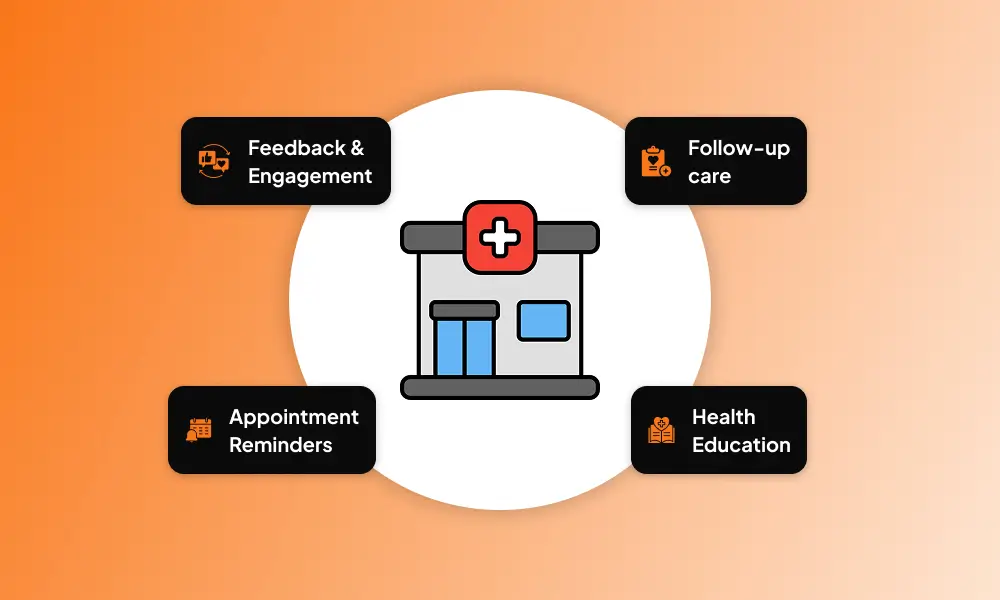
In a world where everyone’s inbox is flooded, it’s all about cutting through the noise. To get through to patients, your outreach needs to be on point, personalized, and timely.
This approach not only improves engagement but also plays a key role in helping practices increase patient volume over time.
The good news? It’s easier than you think. These 10 strategies will help you level up your patient outreach and keep them coming back, all while creating meaningful connections.
Strategy 1: Understand & Segment Your Patient Population
Not all patients need the same message at the same time. One of the most effective patient outreach strategies is segmentation.
By organizing patients based on demographics, conditions, risk factors, and behavior, healthcare providers can deliver more relevant and effective communication.
Examples include:
- Chronic care patients receiving routine diabetes or hypertension follow-ups
- Preventive care patients notified about screenings or annual checkups
- Post-procedure patients receiving recovery instructions and check-ins
Segmentation also allows practices to prioritize high-risk patients for more intensive outreach. For instance, elderly patients with multiple chronic conditions may require additional follow-up reminders, medication check-ins, and educational resources compared to younger, healthier patients.
By tailoring outreach based on specific needs, you can ensure messages are meaningful and actionable rather than generic.
Segmentation enables smarter patient follow-up programs that feel timely and personalized rather than generic or intrusive.
Strategy 2: Automate Patient Outreach with the Right Tools
Manual outreach is inconsistent and difficult to scale. Automation ensures that no patient slips through the cracks.
Modern outreach automation tools help practices maintain consistent communication while reducing staff workload.
Key benefits of automation include:
- Timely message delivery
- Reduced human error
- Scalable patient communication outreach
Essential automated outreach features:
- Automated appointment reminders
- Post-visit and care follow-up workflows
- Triggered messaging after lab results, missed appointments, or discharges
For example, using automation, a patient who misses a preventive screening can automatically receive a series of reminders spaced over several weeks, increasing the likelihood of scheduling without requiring staff intervention. With automated outreach workflows, practices can deliver proactive patient outreach supported by AI patient scheduling without increasing administrative burden.
Strategy 3: Personalize Every Interaction
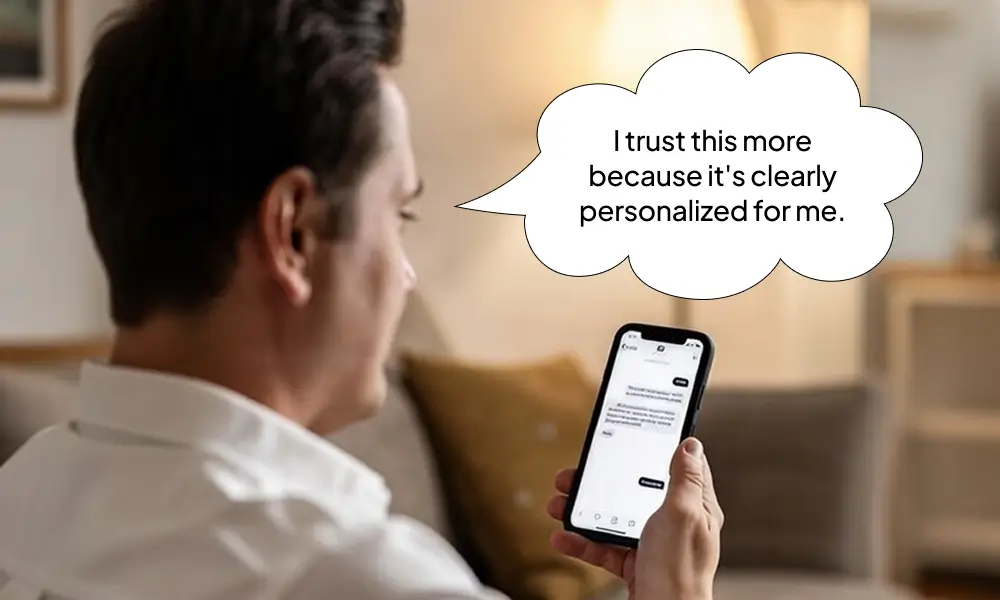
Personalization is the difference between being heard and being ignored.
Patients respond far better to communication that reflects their individual care journey. When engagement is built around personalized patient care, it naturally improves satisfaction, response rates, and trust over time.
Effective personalization includes:
- Using the patient’s name
- Referencing recent visits or procedures
- Tailoring education to specific conditions
For example, a patient recovering from surgery needs different messaging than someone due for a routine screening. Personalization transforms communication from transactional to meaningful.
Even small personalization elements, such as referencing the patient’s preferred communication channel or acknowledging prior feedback, can dramatically increase engagement. Patients feel valued when messages are relevant, timely, and considerate of their unique needs.
Strategy 4: Meet Patients Where They Are (Multi-Channel Outreach)
Patients have different communication preferences. Some respond best to text messages, while others prefer email or phone calls.
A successful digital patient outreach strategy uses multiple channels, including:
- SMS and two-way texting
- Email communication
- Voice calls, IVR systems, and AI medical receptionist support
- Patient portals and mobile apps
Younger patients may prefer SMS, while older populations may still rely on phone calls. Multi-channel outreach ensures messages are received, not missed.
It’s also important to track which channels yield the highest engagement. For instance, appointment reminders sent via SMS may have a higher response rate, while educational content delivered through email may be better for long-form materials. Combining channels strategically ensures messages are delivered effectively without overwhelming patients.
Strategy 5: Educate & Empower Patients
Outreach shouldn’t be limited to logistics. Educational communication plays a major role in long-term engagement.
Educational patient communication outreach can include:
- Condition awareness campaigns
- Preventive care reminders
- Lifestyle and wellness tips
- Post-visit educational resources
Educational outreach can be even more effective when combined with timely resources and digital tools. For example, sending a short video explaining proper medication use after a prescription refill, or linking to condition-specific webinars, helps patients understand and follow their care plan. Motivational messaging post-visit, such as wellness tips or check-in prompts, reinforces positive behavior and encourages ongoing engagement.
When patients understand their health and care plans, they are more likely to take action. Educational outreach builds confidence and promotes shared decision-making.
Strategy 6: Two-Way Communication
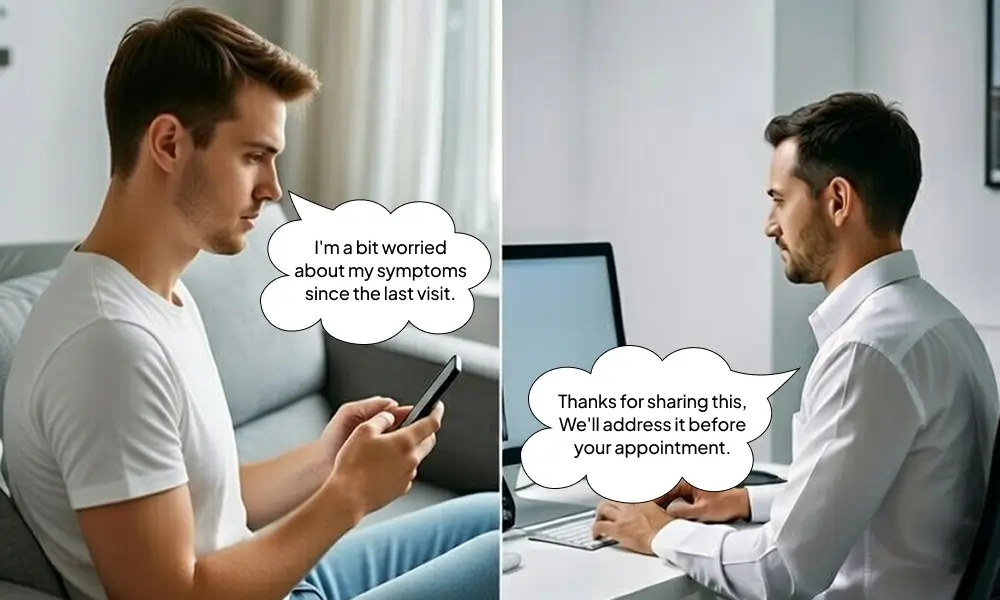
True engagement requires listening, not just broadcasting.
Two-way patient follow-up outreach allows patients to ask questions, confirm appointments, and express concerns through secure messaging or portals.
Benefits of two-way communication include:
- Faster resolution of patient issues
- Improved trust and transparency
- Reduced call volume for staff
Interactive outreach creates a feedback loop that strengthens patient-provider relationships and improves overall care coordination.
For example, allowing patients to confirm or reschedule appointments via text reduces administrative workload and ensures accurate scheduling. Similarly, secure portals where patients can ask follow-up questions can prevent unnecessary visits while maintaining care quality.
Strategy 7: Stay HIPAA-Compliant
Effective outreach must always prioritize patient privacy.
HIPAA compliance in healthcare patient outreach involves:
- Using secure, encrypted platforms
- Limiting sensitive information in messages
- Managing consent and communication preferences
Non-compliance can lead to legal penalties, loss of trust, and reputational damage. Choosing compliant care coordination systems ensures outreach remains both effective and secure.
Additionally, regular staff training on HIPAA best practices helps prevent inadvertent breaches. Even routine messages, if not handled correctly, can expose sensitive patient information. Prioritizing compliance protects both the patient and the practice.
Strategy 8: Use Surveys and Feedback to Improve
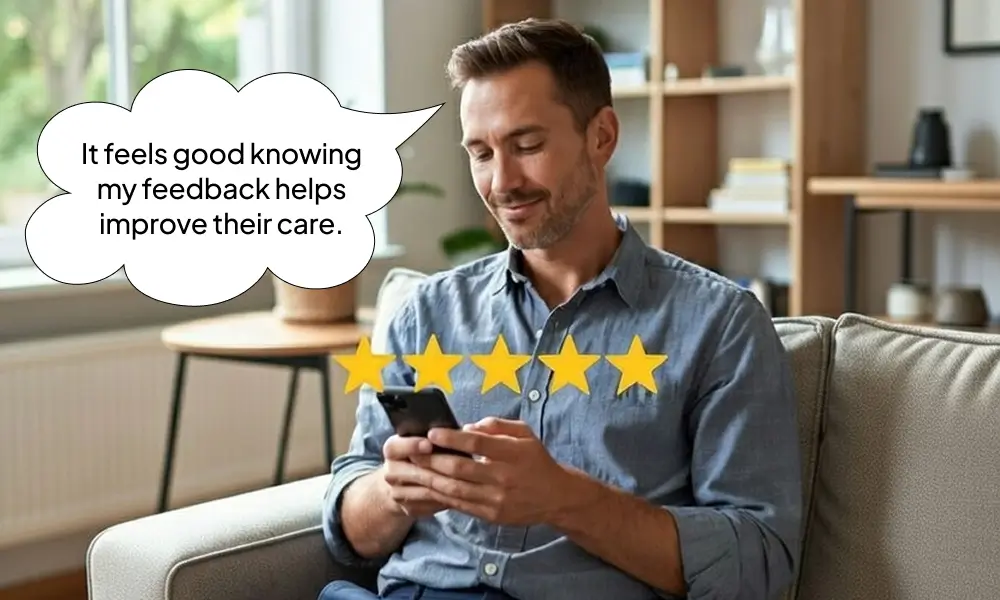
Patient feedback is one of the most valuable tools for optimizing outreach.
Surveys help evaluate satisfaction, identify communication gaps, and refine patient outreach strategies.
Best practices include:
- Post-visit satisfaction surveys
- Periodic check-in surveys
- Net Promoter Score (NPS) tracking
Timing is critical: sending surveys immediately after a visit captures real-time impressions, while monthly check-ins allow long-term trends to emerge. Combining these approaches ensures continuous improvement. Feedback-driven improvements help align outreach with patient expectations and evolving needs.
Strategy 9: Track, Measure & Optimize Your Outreach
What gets measured gets improved.
To optimize patient outreach, practices should track key performance indicators such as:
- Message open and response rates
- Appointment compliance
- Patient retention and reactivation rates
Tracking performance over time also allows practices to compare outreach effectiveness across channels and patient segments. For example, analyzing response rates for SMS versus email can reveal where patients are most engaged. These insights help refine digital patient outreach efforts, ensuring resources are invested in communication methods that deliver the highest impact while continuously improving patient engagement and follow-through.
Analytics also enable staff to identify patterns in missed appointments, delays in care, or patient drop-off points. Using this data, outreach can be fine-tuned for specific populations, improving preventive care and long-term health outcomes.
Strategy 10: Build a Patient Journey Map
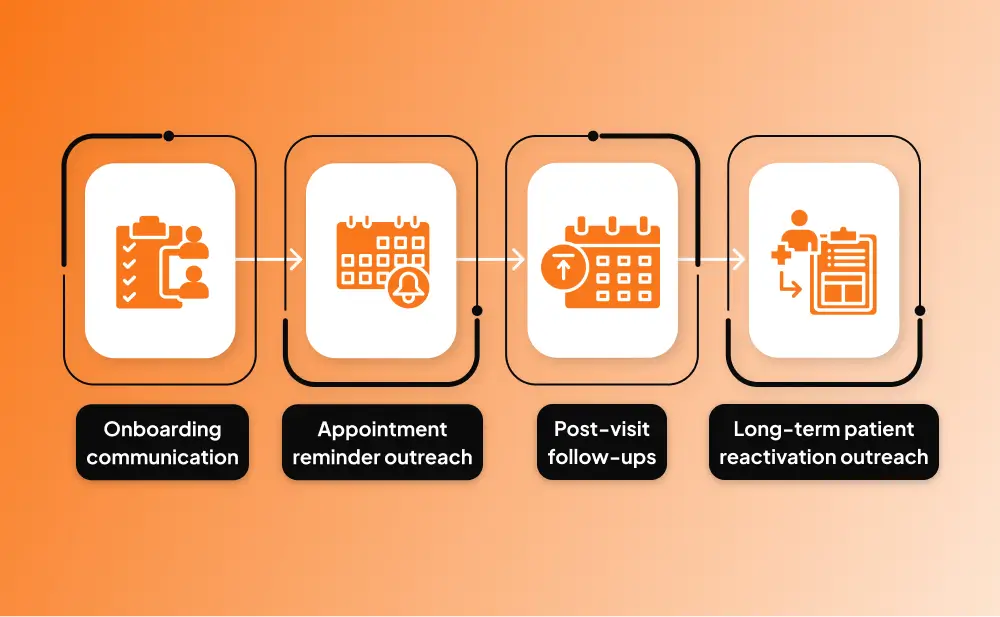
A patient journey map outlines every interaction a patient has with your practice—from first contact to long-term care.
Mapping the journey helps identify ideal outreach touchpoints for:
- Onboarding communication
- Appointment reminder outreach
- Post-visit follow-ups
- Long-term patient reactivation outreach
When outreach aligns with the patient journey, communication feels natural, timely, and supportive. It allows practices to anticipate patient needs, reduce gaps in care, and enhance overall satisfaction.
Additional Best Practices
In addition to the 10 core strategies, several smaller yet impactful steps can enhance your patient outreach system:
- Avoid over-messaging to prevent patient fatigue: Sending too many messages can overwhelm patients, reducing engagement. Balance reminders with educational content and use timing strategically.
- Regularly review and update outreach content: Outdated or irrelevant messaging can disengage patients. Review scripts, templates, and digital messages periodically to ensure accuracy and relevance.
- Train staff on patient contact management tools: Even the best automation is only effective if staff know how to use it properly. Regular training ensures consistent and professional communication.
- Ensure accessibility for diverse patient populations: Consider language preferences, hearing or vision impairments, and other accessibility needs to make outreach inclusive.
- Maintain consistent tone and clarity across channels: Whether communicating by text, email, or portal, messages should be professional, concise, and easy to understand.
These smaller practices, while often overlooked, can significantly improve patient experience and engagement. When combined with the 10 core strategies, they create a holistic, patient-centered outreach system that supports both operational efficiency and better health outcomes.
Conclusion
An effective patient outreach system is no longer optional, it’s essential.
By implementing these 10 strategies and leveraging healthcare IT solutions, healthcare organizations can improve engagement, reduce no-shows, strengthen relationships, and deliver a more connected care experience. From automation and personalization to compliance and analytics, each element plays a role in building meaningful, proactive patient communication.
Upgrading your patient outreach system can also improve revenue through higher appointment adherence and patient retention. Moreover, it positions your practice as patient-focused, attentive, and proactive, qualities that build long-term loyalty.
Take time to evaluate your current outreach tools, identify gaps, and implement these strategies to maximize your patient engagement and care quality. Your patients will not only benefit clinically but will also feel valued, informed, and connected at every step of their healthcare journey.
FAQs
How often should we contact patients without overwhelming or “spamming” them?
Contact patients 2-3 days before appointments for reminders, and follow up 24-48 hours post-visit. Customize frequency based on patient preferences in your EHR/CRM.
How can we personalize patient outreach using our EHR/CRM data?
Use patient history, preferences, and treatment plans from EHR/CRM to send targeted messages like appointment reminders or relevant health info.
How do we measure the success (ROI) of our patient outreach campaigns?
Track engagement rates, response rates, appointment adherence, and patient feedback. Compare costs with increased appointments or patient retention to measure ROI.
How can outreach improve no-show rates, appointment adherence, and care plan compliance?
Send timely reminders, offer easy rescheduling, and provide personalized follow-ups to keep patients engaged and improve adherence to appointments and care plans.
What are best practices to keep outreach HIPAA-compliant?
Use encrypted communication, obtain patient consent, ensure data security, and share only necessary information in outreach messages. Regularly audit and train staff for compliance.
Stop Letting Patients Slip Through the Cracks
Book a call to see how MedLaunch’s automated outreach turns one-time visitors into lifelong patients with personalized reminders, follow-ups, and 2-way AI engagement.