

Key Takeaways
-
1Personalization is Systemic: In group practices, personalized care relies on designed workflows, technology, and communication systems, not just individual provider effort.
-
2Non-clinical matters: Communication preferences, reminders, follow-ups, and educational content influence patient loyalty as much as clinical care.
-
3Data Enables Scale: EHR analytics and predictive insights let practices anticipate needs proactively, making personalization feasible across the whole practice.
-
4Shared Decisions Help Adherence: Patients involved in treatment choices are more likely to follow plans, linking education and collaboration to better clinical outcomes.
-
5Retention Multiplies Value: Personalized care lowers no-shows, boosts referrals, and strengthens loyalty, delivering one of the highest operational ROIs for group practices.
Patients don’t pay for appointments. They pay for outcomes and experiences they trust. In group practices, personalized patient care compounds value by aligning providers, systems, and patient expectations into one consistent journey.
That shift, such as appointments to outcomes, is redefining how successful group practices operate today. As practices grow, add providers, and serve larger patient populations, care often becomes standardized for efficiency.
While standardization improves output, it can unintentionally dilute the patient experience. The result? Patients feel processed instead of cared for.
Personalized patient care changes this equation. In a group practice context, personalization isn’t about individual providers “trying harder.” It’s about designing systems that deliver relevant, consistent, patient-centered experiences, no matter which clinician a patient sees.
By integrating healthcare IT solutions, practices can streamline workflows and ensure critical patient information is always accessible, improving the overall care journey.
This is why personalized care is no longer a “nice to have.” It’s strategically essential. It improves outcomes, increases retention, reduces operational friction, and strengthens trust at scale.
The future of group practice success lies in moving from traditional, reactive care models to proactive, personalized ones, built intentionally into workflows, technology, and team culture.
Using healthcare automation solutions helps automate routine administrative tasks while preserving a human-centered approach, allowing providers to focus on delivering meaningful patient interactions.
Table of Contents
What Is Personalized Patient Care?
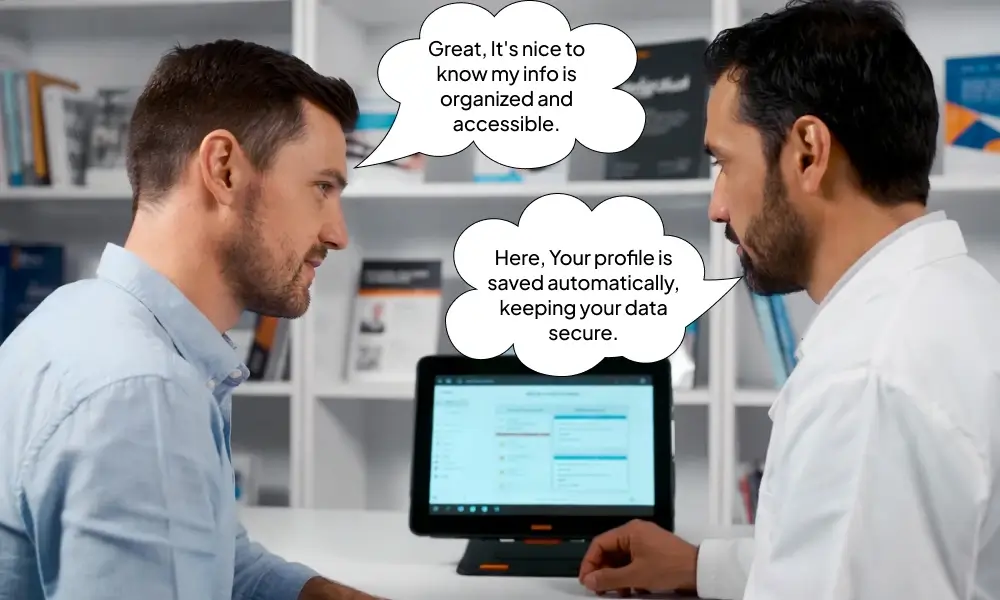
Personalized patient care differs from standard, one-size-fits-all approaches. While traditional care often follows hard protocols and generalized schedules, personalized approaches adapt to the unique needs, preferences, and health histories of each patient.
Clinical personalization may include customized treatment plans, individualized care delivery, or patient-specific care recommendations.
Non-clinical personalization can cover communication preferences, appointment scheduling, follow-ups, and even how educational materials are delivered. Together, these touchpoints ensure that patients feel heard, understood, and valued at every step.
Implementing patient flow solutions can further enhance personalization by optimizing how patients move through the clinic, reducing wait times, and ensuring each interaction is meaningful.
Patient expectations are central. Today’s patients increasingly seek experiences that are not just efficient but meaningful. Perception matters: when patients feel their care is tailored to them, trust and engagement rise naturally.
For instance, a patient with diabetes may benefit not only from a tailored medication plan but also from personalized reminders about nutrition and exercise, access to educational content relevant to their condition, and scheduled follow-ups that fit their lifestyle. This comprehensive approach turns routine appointments into meaningful interventions.
Personalized Patient Care vs Patient-Centered Care
These two terms are frequently used interchangeably in healthcare, but they describe different concepts. Understanding the distinction matters because a practice can be patient-centered without being personalized, and confusing the two can lead to investing in the wrong improvements.
Patient-centered care is a philosophy and organizational commitment. It means structuring the entire care experience around the patient’s perspective, preferences, and values rather than around provider or system convenience.
Patient-centered care asks: does our practice respect patient autonomy, involve patients in decisions, and treat them with dignity and compassion? It is a cultural and ethical standard that applies equally to every patient in the practice.
Personalized patient care is an operational and clinical execution. It means adapting the specific content, timing, channel, and approach of care to match the individual characteristics of each patient.
Personalized care asks: does this specific patient receive communication, treatment planning, scheduling, and follow-up that is meaningfully different from what a different patient with different needs and preferences receives? It is a customization standard that varies by patient.
| Patient-Centered Care | Personalized Patient Care | |
|---|---|---|
| Definition | Philosophy of treating patients with respect, dignity, and involvement in decisions | Adapting clinical and non-clinical care delivery to each patient’s unique needs and preferences |
| Scope | Applied universally — every patient receives the same standard of respect and involvement | Applied individually — each patient receives a different experience based on their profile |
| Focus | How patients are treated | What patients receive |
| Example | Asking every patient about their goals before recommending a treatment | Recommending different treatments to different patients based on their lifestyle, genetics, and health history |
| Measurement | Patient satisfaction scores, HCAHPS ratings, shared decision-making rates | Care plan adherence rates, personalized outreach engagement, retention by patient segment |
| Can exist without the other? | Yes — a practice can be patient-centered but deliver identical care to everyone | Yes — a practice can personalize clinical protocols but still treat patients impersonally |
| Ideal outcome | Patients feel respected and heard | Patients feel understood and individually served |
Why both matter and how they work together:
Patient-centered care is the foundation. Without it, personalization feels transactional. A practice that customizes communication channels but dismisses patient concerns in the exam room is not delivering a meaningful experience, regardless of how sophisticated its segmentation is.
Personalized patient care is the execution layer built on that foundation. Once a practice has established a culture of respect, involvement, and compassion, personalization makes that culture operationally tangible. Patients do not just feel respected in principle; they receive evidence of it in every specific interaction tailored to their individual needs.
The highest-performing group practices deliver both simultaneously. They build patient-centered values into their team culture and training, and then operationalize those values through personalized scheduling, communication, care planning, and follow-up systems that make each patient feel individually known and served.
Why Personalized Care Matters in Group Practices
For group practices, investing in personalized care models offers multiple advantages, both clinical and operational.
Stronger Patient Engagement & Satisfaction
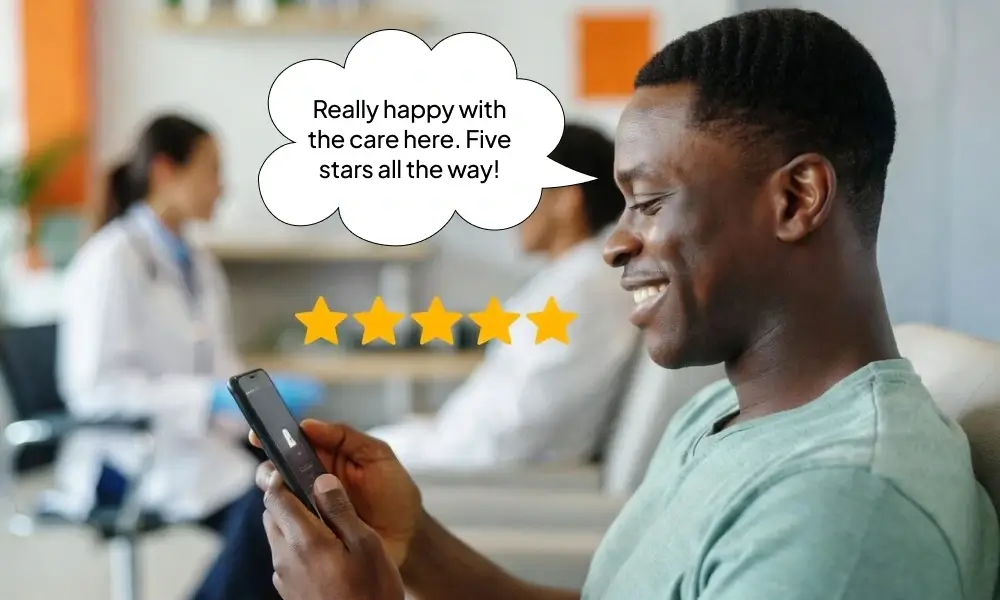
When patients receive care that feels relevant and individualized, engagement improves. Personalized communication, whether through SMS reminders, email updates, or app notifications, helps patients stay informed and involved in their treatment journey.
Consider a patient recovering from surgery. Receiving a personalized care plan, including follow-up instructions, exercise recommendations, and diet tips through their preferred communication channel, makes the patient feel supported beyond the clinic walls. This heightened engagement translates into satisfaction, loyalty, and a willingness to follow through with care recommendations.
Better Clinical Outcomes
Customized treatment plans and patient-specific care can reduce complications and improve adherence. When care aligns with a patient’s health goals, lifestyle, and preferences, recovery times shorten, and outcomes improve.
For example, a patient with hypertension who receives a treatment plan adjusted for their diet, work schedule, and stress levels is more likely to take medications correctly and monitor their blood pressure regularly.
Data-driven personalization ensures that interventions are proactive rather than reactive, preventing complications before they arise.
Increased Patient Trust and Loyalty
Trust grows when patients feel that their care is coordinated and attentive, regardless of which clinician they see. Care personalization in healthcare fosters consistency, reduces anxiety, and strengthens the patient-provider relationship. Loyal patients are more likely to stay with a practice, refer others, and actively participate in their own care.
A study from the Journal of Medical Practice Management found that patients who experienced coordinated and personalized care were 25% more likely to continue treatment with the same practice and recommend it to friends or family.
Higher Patient Retention & Reduced Churn
A patient-centered approach reduces cancellations and no-shows while increasing long-term retention. By making the patient experience seamless and meaningful, group practices can achieve sustainable growth without relying solely on marketing or external referrals.
For instance, sending customized appointment reminders and follow-ups based on a patient’s history and preferred communication method has been shown to reduce no-show rates by up to 30% in multi-provider practices.
What Do Today’s Patients Really Expect?
Modern patients have high expectations. Research shows that patients value responsiveness, clarity, and inclusion in decision-making. They want communication that fits their lifestyle, understandable explanations of treatment options, and the ability to participate in their own care journey.
Patients consistently report that personalized attention makes a tangible difference in their experience. One survey found that patients are more likely to trust and follow advice when communication is tailored to their needs, and treatment plans consider their personal goals. Emotional satisfaction, feeling valued, respected, and heard, directly corresponds with compliance and loyalty.
Patients increasingly expect digital interactions to match their preferences. For example, some prefer app-based notifications for test results, while others want direct phone communication.
Tools like an AI medical receptionist can help practices meet these expectations by managing appointments, reminders, and patient inquiries in real time, ensuring communication is timely, personalized, and efficient. Recognizing these differences and acting on them is a hallmark of patient care customization.
Elements of Personalized Patient Care

Creating tailored patient care involves several key elements.
1. Personalized Communication
Timing, tone, and channel choice are crucial. Some patients prefer SMS reminders, while others may rely on email or app notifications. Messaging should reflect a patient’s conditions, history, and preferences. Personalized communication also includes transparency about care plans, follow-up schedules, and test results.
Example: A patient with asthma might receive reminders to refill medications ahead of seasonal changes, along with tips on managing triggers, while a patient with arthritis might get physical therapy reminders tailored to their mobility goals.
2. Tailored Care Plans
Individualized care delivery ensures that treatment aligns with each patient’s unique needs. Chronic disease management requires different attention than acute care. Lifestyle, personal goals, and existing health conditions should inform every plan, creating a roadmap that patients can follow confidently.
In a group practice, this might mean coordinating between multiple providers so that a patient sees a consistent, integrated care plan rather than fragmented advice. Care coordination ensures that all providers work from the same patient-centered framework.
3. Data-Driven Personalization
Leveraging patient health records and analytics allows practices to identify care gaps and anticipate needs. Predictive insights from EHR systems enable providers to deliver proactive recommendations, improving outcomes while minimizing unnecessary interventions.
For instance, analytics might flag a patient at risk for diabetes complications, prompting early education, diet interventions, or additional monitoring. This proactive approach is at the heart of personalized care models.
4. Patient Education & Shared Decision-Making
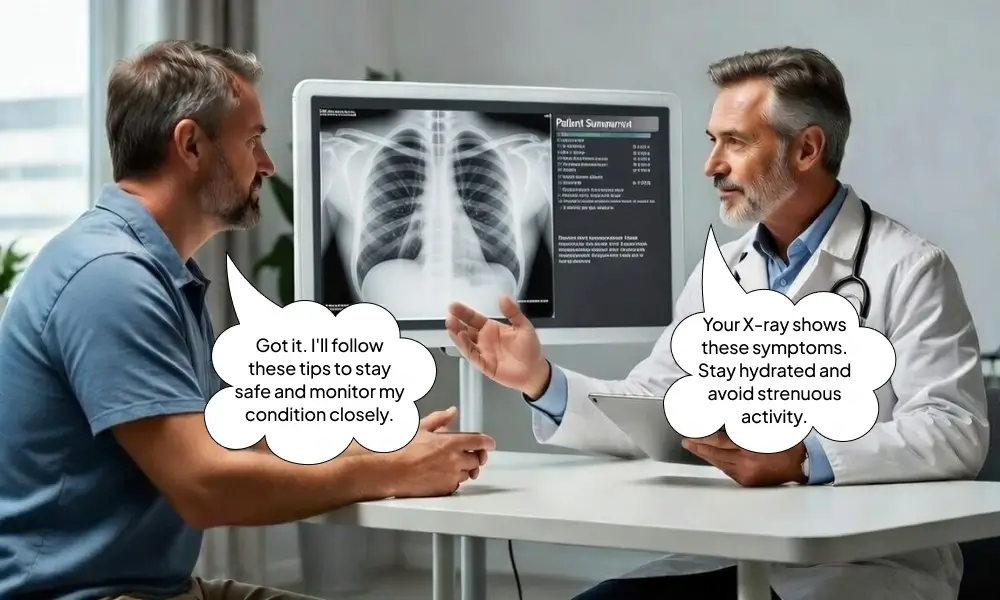
Patients are more engaged when they understand their treatment options. Providing customized educational resources, risk calculators, and visual care plans empowers patients to participate actively in decisions about their health. Shared decision-making builds trust, fosters adherence, and reinforces the value of patient-centered care.
Imagine a patient with heart disease using an interactive app to understand the risks of different treatment paths. When the patient collaborates in choosing a plan, adherence and satisfaction increase significantly.
How Group Practices Deliver Personalized Care
Personalized patient care does not happen because providers care deeply — it happens because the practice has built deliberate systems that make personalization the default, not the exception.
In group practices where multiple providers, departments, and locations must operate consistently, personalization requires intentional design at every operational level.
1. Team Huddles & Coordinated Workflows:
Hold brief daily or pre-session huddles where care teams review the patient schedule and flag individuals with complex histories, recent hospitalizations, care gaps, or pending follow-ups that need attention during the visit.
Assign a named care coordinator for patients managing chronic conditions, recent transitions from acute care, or multi-specialty treatment plans so one person owns the continuity of their experience across all touchpoints.
Use shared care notes and EHR flags so every provider who interacts with a patient — regardless of department or location — can immediately see their history, preferences, and active care plan without asking the patient to repeat themselves.
Establish clear escalation protocols for care coordinators to flag patients who have missed appointments, declined recommended interventions, or shown signs of disengagement so follow-up can happen proactively rather than after the patient has already churned.
2. Personalized Scheduling & Reminders:
Configure scheduling systems to default to a patient’s preferred provider, preferred appointment time, and preferred contact channel so every booking interaction feels consistent and familiar rather than generic.
Match appointment length to the patient’s visit type, condition complexity, and history rather than applying a uniform slot length across all appointment types; a patient managing three chronic conditions requires a fundamentally different appointment structure than a healthy patient attending a routine physical.
Use an AI appointment setter to automate recall outreach, follow-up scheduling, and preventive care reminders based on each patient’s individual care plan milestones rather than sending the same generic reminder to every patient on the same cadence.
Build same-day and next-day capacity into the schedule for patients with acute needs so the practice does not lose engagement from patients who cannot wait two weeks for an available slot.
3. Follow-up Protocols Tailored to Patient Journeys:
Segment post-visit follow-up communication by visit type, diagnosis, and patient history so every message a patient receives is relevant to their specific situation rather than a template that could have been sent to anyone.
Send condition-specific educational content through the patient’s preferred channel — SMS, email, or patient portal — within 24 to 48 hours of the visit while the clinical conversation is still fresh and actionable.
Automate chronic disease check-ins between appointments so patients managing diabetes, hypertension, heart disease, or other long-term conditions receive consistent touchpoints that reinforce their care plan without requiring manual staff outreach for every patient.
Use an AI medical receptionist to handle patient-initiated inquiries, appointment changes, and between-visit questions in real time so patients never experience a communication gap that makes them feel forgotten
4. Feedback-Driven Adjustments:
Collect post-visit satisfaction data segmented by provider, location, and visit type so personalization gaps can be identified at a granular level rather than averaged into a single practice-wide score that masks individual performance problems.
Review patient feedback trends monthly in team meetings and use that data to update communication templates, care plan frameworks, and intake protocols so the personalization system improves continuously rather than remaining static.
Survey patients specifically about whether they felt their care was tailored to their individual needs — not just whether they were satisfied overall — because satisfaction and perceived personalization measure different things and both matter independently.
Barriers to Implementing Personalized Patient Care
Most group practices understand the value of personalized care. The reason it does not get implemented consistently is not a lack of commitment — it is a set of specific operational, technological, and cultural barriers that make personalization harder to sustain at scale than in theory. Identifying these barriers is the first step to overcoming them.
1. Fragmented Patient Data Across Disconnected Systems
Personalization requires a complete, accessible view of each patient’s history, preferences, conditions, and communication behavior.
In most group practices, this data exists across multiple disconnected systems — the EHR, the scheduling platform, the billing system, the patient portal, and various communication tools — none of which share data seamlessly in real time.
The result is that providers and staff make decisions based on incomplete information, personalization attempts are inconsistent, and patients are frequently asked to repeat information they have already provided multiple times.
- How to overcome it: Prioritize EHR and scheduling platform integration so patient data flows automatically between systems; implement a single patient profile that aggregates clinical, administrative, and communication preference data in one accessible record; audit your current technology stack for data silos before investing in new personalization tools.
2. Inconsistent Staff Training and Execution
Personalized care systems are only as effective as the people delivering them. In group practices where staff turnover is high and training resources are limited, personalization protocols are frequently applied inconsistently — some providers and front-desk staff follow them diligently while others revert to generic workflows under time pressure.
- How to overcome it: Build personalization expectations into onboarding for every patient-facing role, not just clinical staff; create simple, laminated reference guides for front-desk staff covering personalization touchpoints at check-in, check-out, and during phone interactions; conduct quarterly personalization audits by observing or surveying patient interactions across locations.
3. Time Constraints and Appointment Pressure
Providers operating under tight appointment schedules often feel they do not have time to review patient history thoroughly before each visit, deliver individualized education, or engage in meaningful shared decision-making. When the schedule is running behind, personalization is the first thing to compress.
- How to overcome it: Use pre-visit huddles to prepare providers with patient-specific context before they enter the exam room so review time is minimized during the appointment itself; automate non-clinical personalization touchpoints such as reminders, follow-ups, and educational content delivery so providers do not carry the full burden of personalization alone; match appointment length to patient complexity rather than applying a uniform time slot to every visit type.
4. Technology that Does Not Support Personalization at Scale
Many group practices operate on legacy EHR and scheduling systems that were not designed to support personalized communication, segmented outreach, or individualized care pathway automation.
Without the right technology infrastructure, personalization remains a manual effort that is impossible to sustain across a growing patient panel.
- How to overcome it: Evaluate your current EHR for patient segmentation, communication preference tracking, and care plan customization capabilities; invest in patient engagement platforms that support automated segmented outreach by condition, care history, and communication preference; use patient flow solutions that automate personalized scheduling, recall, and follow-up workflows without requiring manual staff intervention for every patient interaction.
5. Resistance to Workflow Change
Implementing personalized care at scale requires changing established workflows, adopting new tools, and asking staff to operate differently than they have for years.
In busy group practices, resistance to change is common — particularly when staff are already managing high patient volumes and feel that additional personalization requirements add to their workload rather than reducing it.
- How to overcome it: Introduce personalization changes incrementally rather than overhauling all workflows simultaneously; demonstrate early wins by piloting personalized communication in one department or location and sharing measurable results with the broader team; frame personalization tools as workload reducers rather than additions by showing staff how automation handles the tasks that currently consume the most manual time.
6. Measuring Personalization Effectiveness is Not Straightforward
Unlike clinical outcomes where improvement is clearly measurable, the impact of personalized care is distributed across multiple metrics — retention rates, satisfaction scores, care plan adherence, no-show rates, and referral volume — none of which change overnight.
Practices that cannot see a clear ROI from personalization investments within a short timeframe often deprioritize them in favor of initiatives with faster measurable returns.
- How to overcome it: Define a personalization measurement framework before implementation that identifies which specific metrics will be tracked, at what intervals, and against what baseline; set realistic timelines for improvement — personalization impact on retention and referrals typically becomes measurable at the three to six month mark; segment metrics by location and provider so improvements are visible at the granular level even when practice-wide averages move slowly.
7. Maintaining Personalization Consistency as the Practice Grows
Personalization is relatively manageable in a single-location practice with a stable patient panel. As group practices add providers, open new locations, and serve larger and more diverse patient populations, maintaining consistent personalized experiences across the entire organization becomes significantly more complex.
- How to overcome it: Document personalization protocols as formal standard operating procedures rather than relying on individual provider habits or institutional memory; invest in technology infrastructure that scales with patient volume rather than requiring proportional increases in staff to maintain personalization quality; conduct regular cross-location consistency audits to identify where personalization standards are drifting before patient satisfaction scores reflect the gap.
Benefits of Personalized Care for Group Practices
1. Better Clinical Outcomes
- Improved adherence to treatment plans
- Fewer complications
- Faster recovery times
By focusing on patient-specific care, practices can proactively address risks and monitor progress. Additionally, practices can reduce unnecessary tests or procedures by using predictive insights, improving both outcomes and patient satisfaction.
2. Stronger Patient Loyalty
- Reduced cancellations and no-shows
- Increased referrals from satisfied patients
- Higher long-term retention
Patients are more likely to recommend a practice that values their individual needs and consistently delivers personalized treatment care. Loyalty also translates into long-term engagement, which is critical as healthcare increasingly moves toward value-based care.
3. Improved Operational Efficiency
- Less reactive care, fewer emergency interventions
- Optimized resource allocation
- Reduced burden on front desk and clinicians
A well-structured care personalization in healthcare framework streamlines workflows, allowing staff to focus on value-driven tasks instead of administrative fire-fighting. It also allows practices to scale effectively without compromising the patient experience.
How to Start Implementing Personalized Care
Group practices can take the following actionable steps:
- Audit Current Patient Experience: Identify gaps in communication, treatment plans, and follow-ups.
- Define Personalization Goals: Clarify what “personalized care” means for your practice and patients.
- Choose the Right Tools: Invest in EHRs, patient engagement platforms, and analytics that support individualized care delivery.
- Train Staff: Educate clinicians and administrative teams on delivering consistent, patient-centered experiences.
- Collect Feedback Loop: Use surveys and experience data to assess satisfaction and identify areas for improvement.
- Measure and Refine: Continuously evaluate outcomes, engagement, and retention to ensure patient care customization remains effective.
Future of Personalized Care in Group Practices
The next frontier of personalized patient care will integrate advanced technologies:
- Predictive Analytics: Anticipating care needs before complications arise.
- AI-Driven Patient Insights: Using machine learning to tailor recommendations and communication.
- Genomic and Precision Medicine: Treatments informed by individual genetics and biomarkers.
- Voice/Text AI for Communication: Streamlined patient engagement through conversational interfaces.
These innovations will make healthcare personalization more precise, efficient, and scalable, allowing group practices to deliver experiences once only possible in boutique or private care settings.
Conclusion
Personalized patient care is no longer optional; it is a strategic imperative for group practices seeking sustainable growth. By focusing on patient-centered care, customized treatment plans, and coordinated workflows, practices can improve outcomes, enhance loyalty, and streamline operations simultaneously.
The opportunity is clear: practices that embrace personalization today will not only meet patient expectations, but they will exceed them, setting a new standard for quality, efficiency, and trust in healthcare.
FAQs
What is personalized patient care?
It’s care designed around each patient’s unique needs, preferences, and health history, combining clinical and non-clinical personalization.
What is an example of personalized patient care?
An example of personalized patient care is adjusting appointment times, reminders, and follow-ups to fit a patient’s needs and preferences. It makes each visit more helpful, relevant, and easier for the patient.
How does personalized care affect patient outcomes?
Personalization improves adherence, reduces complications, and enhances overall satisfaction and trust.
What is individualized care in healthcare?
Individualized care in healthcare is providing treatment and advice that is tailored to a patient’s unique health needs, history, and lifestyle. It focuses on giving each patient the care that works best for them personally.
What technology supports personalized care?
EHRs, patient engagement platforms, analytics tools, and AI-driven communication systems are key enablers.
How do you measure personalization success?
Metrics include patient engagement, satisfaction scores, retention rates, adherence, and clinical outcomes.
What are common barriers to personalization?
Barriers include fragmented systems, limited staff training, inconsistent workflows, and under-utilization of technology.