


Key Takeaways: First Impressions with Patients
-
1First impressions with patients begin before they walk in the door:
The moment a patient searches for your clinic online, calls to book, or receives a confirmation email, they’re already forming an impression. Every touchpoint from that first search onwards is part of your first impression. -
2Patients in healthcare are emotionally heightened:
Anxiety, vulnerability, and uncertainty amplify every interaction. A distracted greeting or an unexplained wait that would barely register in retail can seriously undermine trust in a clinical setting. -
3The front desk is your single highest-impact first impression touchpoint:
It’s the emotional gateway to your clinic. Prompt acknowledgement, name recognition, and clear communication at check-in can set a positive tone that carries through the entire visit, regardless of what happens next. -
4Silence during delays is more damaging than the delay itself:
A 20-minute wait with no communication feels far longer and more frustrating than the same wait with a brief, honest update. Transparency transforms an inconvenience into a manageable experience. -
5First impressions are operational outcomes, not personality traits:
Inconsistent first impressions are almost always a systems problem: overbooking, poor scheduling, undertrained staff, or fragmented workflows. Fixing the systems creates reliable, repeatable first impressions regardless of who is on shift. -
6A strong first impression is your cheapest retention strategy:
Patients who feel welcomed, respected, and informed on visit one are significantly more likely to return, complete their treatment plan, and refer others. Investing in first impressions costs far less than replacing patients who left quietly.
First impressions with patients refer to the immediate perceptions and emotional judgments patients form during their earliest interactions with a medical practice. These impressions begin the moment a patient searches for your clinic online, calls your office, walks through your doors, or speaks with a team member.
They are not limited to politeness or surface-level friendliness. Instead, they represent a complex mix of emotional signals, environmental cues, communication style, and operational efficiency.
In healthcare, the first 5–10 minutes are especially powerful. Within this short window, patients unconsciously assess whether they feel safe, respected, understood, and confident in the care they are about to receive.
Research in behavioral psychology consistently shows that humans form durable judgments quickly, and in healthcare settings, those judgments are amplified by vulnerability. A patient who is anxious about symptoms or uncertain about a diagnosis is far more sensitive to tone, clarity, and body language.
The importance of first impressions in healthcare goes far beyond courtesy. These early moments influence whether patients return, follow treatment plans, leave positive reviews, or recommend your clinic to others.
A smooth and reassuring patient first visit experience builds confidence before clinical care even begins. Conversely, confusion or indifference can quietly erode trust, sometimes beyond repair.
For medical practices and group clinics, first impressions are not accidental moments. They are operational outcomes. They reflect how well systems, workflows, and team behaviors align to support patients from the very first interaction.
This blog serves as a practical playbook for creating consistent, positive first impressions that strengthen trust, retention, and long-term growth.
Table of Contents
Why First Impressions with Patients Matter
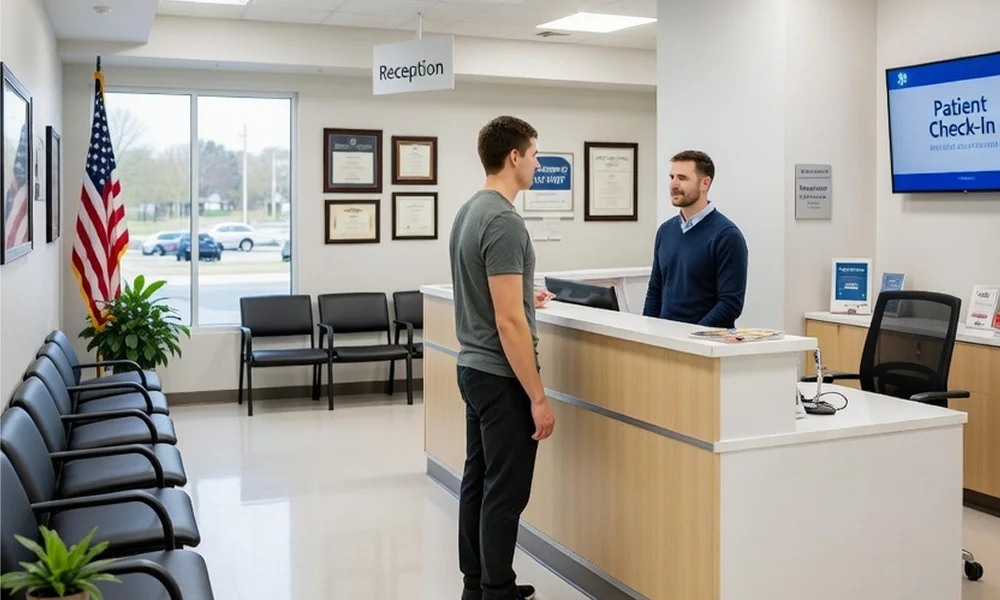
Patients do not arrive at clinics emotionally neutral. They often come in with anxiety, discomfort, uncertainty, or fear. Even routine appointments can trigger stress due to past negative healthcare experiences or concerns about cost, diagnosis, or procedures. Because of this heightened emotional state, patients are more observant and more sensitive to subtle signals.
From the moment they interact with your team, patients begin forming conclusions about your professionalism, competence, and care standards. They evaluate how organized the clinic appears, how clearly instructions are communicated, and whether staff seem genuinely attentive. These rapid evaluations shape the patient perception of care long before clinical expertise is demonstrated.
First impressions in healthcare settings carry unique weight because patients must place a high level of trust in providers. Unlike retail or hospitality, healthcare involves physical vulnerability and personal disclosure. If patients feel dismissed or rushed early on, that discomfort often lingers throughout the visit.
Moreover, early impressions influence how patients interpret everything that follows. A minor delay may feel acceptable in a clinic that feels caring and organized. The same delay may feel frustrating in an environment that seems chaotic. This psychological anchoring effect means the first moments frame the entire experience.
The Financial and Retention Impact
The impact of new patient first impressions extends well beyond the clinical room. Practices often focus heavily on marketing and patient acquisition, but retention is frequently determined by the first visit.
When patients feel welcomed, heard, and respected, they are more likely to return for follow-ups, complete treatment plans, and refer friends or family members. Strong early experiences support building patient trust early, which directly influences patient lifetime value. Trust increases the likelihood that patients will accept recommended procedures or ongoing care.
Online reviews are another key factor. Patients rarely describe clinical precision in detail; instead, they recount how they were treated. A kind greeting, clear explanations, or efficient check-in can become the centerpiece of a five-star review. Conversely, long unexplained wait times or dismissive communication can trigger negative feedback.
From an operational standpoint, improving first impressions is often more cost-effective than increasing marketing spend. Retaining existing patients reduces acquisition costs and stabilizes revenue. First impressions, therefore, play a central role in both patient satisfaction and financial sustainability.
Touchpoints That Shape First Impressions in Healthcare
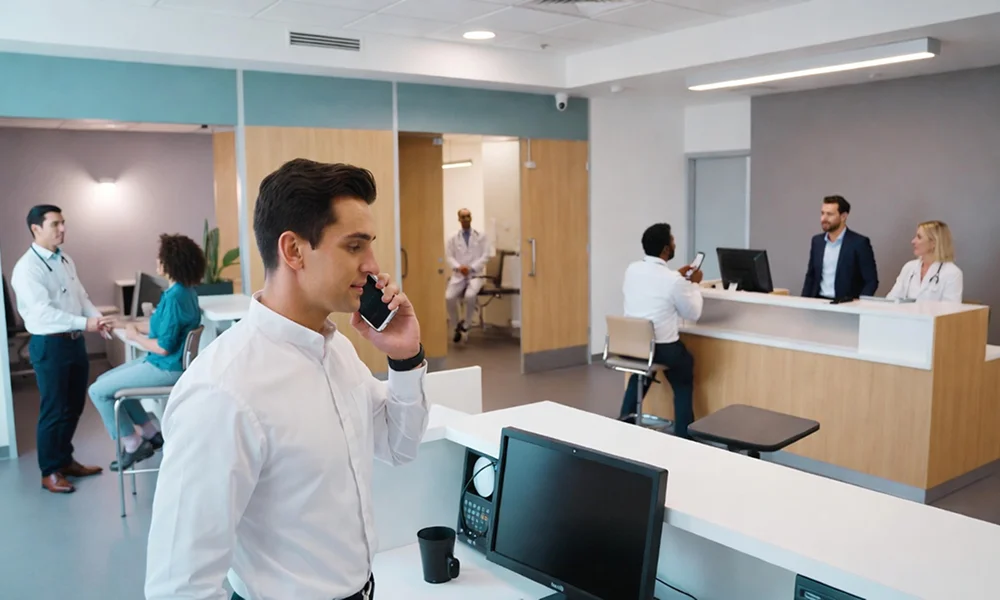
Positive first impressions are built through multiple connected interactions. Each touchpoint either strengthens or weakens trust. Understanding these moments allows clinics to design intentional experiences rather than leaving outcomes to chance.
1. The Phone Call or Online Booking Experience
For many patients, the first interaction occurs before they physically enter the clinic. A phone call or online scheduling form sets expectations for what lies ahead. If this initial exchange feels smooth and respectful, confidence increases. If it feels confusing or impersonal, doubt begins early.
The tone of voice during phone conversations communicates professionalism and empathy. Patients can quickly detect whether staff sound attentive or distracted. Clear answers to questions and concise explanations about appointment details reduce uncertainty. Even small behaviors, such as thanking patients for calling or acknowledging concerns, reinforce trust.
Online booking systems should feel intuitive and simple. Complicated forms, unclear appointment types, or technical glitches create friction that undermines the patient welcome experience. Patients often interpret scheduling difficulty as a sign of broader organizational challenges.
Clarity is essential. Patients should leave the scheduling interaction knowing what to bring, when to arrive, and what to expect. Removing ambiguity at this stage lays the groundwork for a confident and calm first visit.
2. The Front Desk and Check-In Process
The front desk functions as the emotional gateway to the clinic. It is often the first in-person interaction patients experience. Because of this, staff behavior and environment carry significant influence.
When patients are greeted promptly with eye contact and a warm tone, they feel acknowledged. Recognition by name further personalizes the interaction and reduces the feeling of being “just another appointment.” Small gestures — such as explaining wait times or guiding patients through paperwork — communicate care and organization.
Efficiency is equally important. A slow or disorganized check-in process can heighten anxiety. Requiring patients to repeat information unnecessarily may create frustration and signal poor internal coordination. On the other hand, a smooth intake experience conveys competence.
Consistency across team members matters greatly. If one staff member is welcoming and another appears indifferent, the inconsistency damages overall trust. Standardized expectations help ensure uniform first impressions in medical practices, regardless of which employee interacts with the patient.
3. The Waiting Room Environment
The waiting room communicates silent messages about standards and priorities. Patients observe cleanliness, lighting, noise levels, seating comfort, and overall organization. These environmental details influence emotional comfort.
A clean and orderly space suggests professionalism and attention to detail. Clear signage reduces confusion about restrooms, check-in counters, or specialty areas. Comfortable seating and appropriate lighting create a calming atmosphere, especially important for anxious patients.
Perceived wait time plays a major role in shaping the patient experience at first visit. When delays occur, communication makes a significant difference. A brief update explaining the reason for a wait demonstrates transparency and respect. Silence, by contrast, often increases frustration.
The waiting area bridges administrative and clinical care. It prepares patients emotionally for their appointment. A thoughtful environment supports positive first impressions and reinforces the clinic’s commitment to patient well-being.
4. Clinical Interaction and Communication
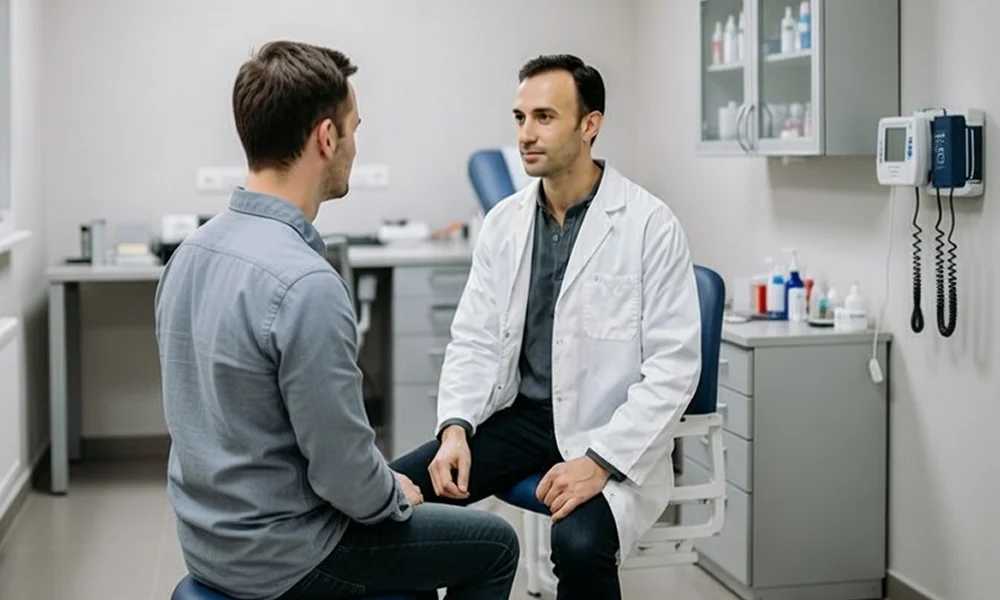
The provider’s interaction with the patient is central to reinforcing trust established earlier. Active listening is one of the most powerful behaviors in clinical communication. Allowing patients to fully describe concerns without interruption shows respect and validation.
Clear explanations reduce fear. Medical terminology can be overwhelming, especially during a first visit. Translating complex information into understandable language demonstrates empathy and professionalism. Patients feel more secure when they understand what is happening and why.
Nonverbal communication also shapes perception. Sitting at eye level, maintaining appropriate eye contact, and minimizing distractions convey attentiveness. Even subtle gestures, such as nodding or summarizing patient statements, strengthen connection.
The overall perception of care often depends less on technical expertise and more on emotional reassurance. When patients feel heard and supported, their confidence in the provider increases significantly.
5. Checkout and Next Steps
The final interaction reinforces the overall impression of the visit. Checkout should feel organized and transparent. Clear explanations regarding follow-up appointments, prescriptions, or billing reduce confusion.
If patients leave uncertain about next steps, the positive elements of the visit may fade. Transparent billing discussions are particularly important, as financial uncertainty can undermine trust.
Closing the visit with gratitude and clarity reinforces professionalism. Patients who leave with a clear understanding of their care plan are more likely to comply with recommendations and return for future visits.
Common Mistakes That Damage First Impressions with Patients
Operational breakdowns are often responsible for negative first impressions. Long unexplained wait times can create frustration even in well-designed clinics. Staff appearing visibly stressed may unintentionally transmit anxiety to patients.
Inconsistent information between team members undermines credibility. If a patient receives different instructions from the front desk and the provider, confidence decreases. Poor communication systems frequently cause such inconsistencies.
Disorganized intake procedures or missing documentation further contribute to negative experiences. These issues rarely stem from lack of care; instead, they reflect workflow gaps. Addressing these operational weaknesses protects first impressions and enhances overall efficiency.
How to Train Your Team to Deliver Consistent First Impressions
Consistency requires intentional training. Clear expectations regarding tone, communication, and responsiveness create alignment across staff members. Without defined standards, experiences vary widely.
Standardizing the patient welcome experience ensures that every patient receives similar treatment. Greeting scripts and behavioral guidelines provide structure while still allowing authenticity. Practices with multiple locations particularly benefit from clear protocols that maintain uniform quality.
Short experience checklists can support daily consistency. Pre-shift huddles encourage alignment around schedule challenges and new patients. Role-playing difficult scenarios builds confidence and prepares staff for real-world situations.
Training transforms first impressions from unpredictable events into reliable outcomes.
The Role of Workflow and Systems in First Impressions

Even well-trained teams struggle when systems are inefficient. Overbooking appointments, poor scheduling logic, or slow electronic record systems create stress that spills into patient interactions.
Strong workflows support strong patient experiences. When staff are not overwhelmed by administrative chaos, they can focus on empathy and communication. Efficient check-in processes, accurate patient data, and balanced schedules reduce friction.
First impressions often fail because systems fail. Strengthening operational foundations ensures that positive interactions are sustainable.
How Technology Can Strengthen First Impressions
Technology can enhance first impressions when implemented thoughtfully. Digital intake forms completed before arrival reduce paperwork frustration and shorten check-in times. This not only improves efficiency but also signals modern professionalism.
Intelligent call routing and structured scheduling systems reduce hold times and appointment errors. When patients connect quickly with the right department or provider, their confidence grows.
Modern automation tools can ease front-desk pressure and create smoother early interactions without increasing staffing costs. By supporting structured patient flow, technology helps maintain consistency in early patient experiences.
Building Patient Trust Early and Sustaining It
Trust begins immediately and evolves throughout the relationship. Early positive impressions encourage openness, making patients more willing to share concerns or ask questions.
When trust is established at the first visit, patients are more likely to adhere to treatment plans and complete follow-up appointments. Confidence in the provider reduces hesitation and increases engagement.
Sustaining trust requires consistency across every touchpoint. From scheduling to checkout, alignment reinforces credibility. Over time, reliable positive experiences strengthen loyalty and referrals.
Conclusion
First impressions with patients are not accidental. They are the result of structured workflows, trained teams, and thoughtful communication. The first few minutes of interaction shape patient perception, influence retention, and impact long-term growth.
From the initial phone call to the final checkout conversation, each touchpoint contributes to the overall experience. When clinics treat first impressions as an operational priority rather than a soft skill, they create stronger trust and more sustainable success.
Positive first impressions are built through clarity, empathy, organization, and consistency. When these elements align, patients feel confident from the very beginning, and that confidence forms the foundation of lasting healthcare relationships.
Frequently Asked Questions
Why do first impressions matter so much in healthcare?
In healthcare, patients arrive emotionally vulnerable, anxious, uncertain, or in pain. This heightened state amplifies every signal they receive. A confident, warm first impression builds the trust that makes patients more likely to be honest about symptoms, follow treatment plans, and return for follow-ups. A poor one can quietly damage that trust before clinical care even begins.
What creates a good first impression in a medical clinic?
The three most impactful elements are: a warm, prompt greeting by name at the front desk, clear and honest communication about wait times and what to expect, and a clean and organised environment. Patients judge competence through these operational signals before they’ve seen a single clinician.
How does the front desk affect patient first impressions?
The front desk is the emotional gateway to your clinic; it’s the first in-person human interaction patients have. Staff who make eye contact, greet patients by name, and communicate clearly create an immediate sense of professionalism and care. Indifferent or disorganized front desk interactions can undermine patient trust before the clinical experience even starts.
How can clinics improve first impressions without hiring more staff?
Improve systems before adding headcount. Digital intake forms completed before arrival eliminate check-in friction. Automated appointment confirmations set accurate expectations. Clear signage and a tidy waiting area cost nothing to maintain. Most first impression failures are workflow problems; fixing the process is faster and cheaper than fixing the team.
How do first impressions affect patient retention?
Directly, patients who feel respected and informed on their first visit are significantly more likely to return, complete their treatment plan, and refer others. Most patients who leave a practice quietly never explain why. A weak first impression is one of the most common and most preventable reasons patients don’t come back.
What are the most common first impression mistakes clinics make?
The top five are: unexplained wait times, inconsistent information from different staff members, disorganized or slow check-in, clinical language that confuses rather than reassures, and unclear next steps at checkout. Almost none of these require more staff; they require clearer systems and better training.
Want Every Patient to Leave Their First Visit Ready to Come Back?
Book a call to see how MedLaunch helps clinics build the systems that create consistent, professional first impressions, from automated booking confirmations to AI-powered front desk support.