


Key Takeaways: Content Marketing Ideas for Telehealth Therapists
-
1Your content is your first impression:
In telehealth, potential patients evaluate your expertise, tone, and trustworthiness through your content long before they ever book a session. What you publish is your digital waiting room. -
2Education converts better than promotion:
Content that genuinely helps patients understand their challenges: anxiety, burnout, depressio, builds far more trust than content that promotes your services. Educate first, invite to book second. -
3Blogs and SEO are your long-term patient acquisition engine:
A single well-optimized blog post on “online therapy for anxiety” can generate organic traffic and consultation inquiries for years — outperforming paid ads at zero ongoing cost. -
4Video and social proof are your fastest trust-builders:
Video tutorials, patient testimonials, and behind-the-scenes content humanize your practice in ways written content cannot. They reduce the hesitation patients feel about meeting a therapist they’ve never seen in person. -
5Repurpose everything:
One blog post becomes a newsletter, a social media carousel, a short-form video, and a podcast talking point. This multiplies your reach without multiplying your workload. -
6Consistency beats volume every time:
Two high-quality pieces of content published every week will outperform ten rushed posts every month. A predictable content rhythm builds audience trust, improves SEO, and keeps your practice top-of-mind.
The rise of telehealth has transformed the way therapy is delivered. Patients no longer need to commute, and therapists can reach individuals across cities, states, or even countries.
However, with growing competition in teletherapy, simply providing online sessions is not enough. To truly grow your practice, telehealth therapists need to adopt strategic content marketing.
Content marketing is more than posting blogs or social media updates. It is about creating educational, engaging, and meaningful content that builds trust, showcases expertise, and drives patient engagement.
In a digital-first world, your content is often the first impression potential patients will have of your practice. Well-crafted content can establish credibility, differentiate your services, and attract patients who are actively seeking help.
In this blog, we explore 25+ content marketing ideas specifically for telehealth therapists, with detailed descriptions, examples, and insights into how each method can strengthen your online presence.
Table of Contents
Why Content Marketing Matters for Telehealth Therapists

Telehealth therapists face a unique challenge. While teletherapy allows for limitless reach, it also exposes practices to a highly competitive online marketplace.
Content marketing addresses these challenges by building credibility, educating patients, increasing visibility, engaging patients, and differentiating your practice.
Credibility is built when patients see that you are knowledgeable and professional. Publishing content that educates, explains, and guides potential patients positions you as an expert.
Education is equally important because many individuals are still unfamiliar with how teletherapy works or hesitant to try online therapy. Content that explains processes, platforms, privacy, and expected outcomes helps overcome these barriers.
In addition, well-optimized content increases visibility. Search engine optimized blogs, videos, and resources help your practice appear in relevant search results, attracting new patients organically.
Engaging content keeps existing patients connected between sessions, which improves retention and satisfaction. Finally, with telehealth becoming increasingly competitive, providing unique, informative, and visually appealing content sets your practice apart from others.
25+ Content Marketing Ideas for Telehealth Therapists
1. Educational Blog Posts
Blog posts remain one of the most effective ways to attract patients online. Writing detailed, educational posts about mental health conditions, therapy approaches, or coping mechanisms helps potential patients better understand their challenges and solutions.
For example, a post titled “Understanding Anxiety Disorders: Symptoms, Causes, and Treatments” could detail the different types of anxiety disorders, explain their underlying causes, and outline therapy techniques that can help.
By providing thorough, evidence-based content, patients begin to trust your expertise even before their first session. Blog posts also improve your search engine visibility.
Including keywords such as “online therapy for anxiety” or “telehealth counseling” can help your website rank higher and attract organic traffic.
2. Case Studies
Case studies provide concrete examples of how therapy helps patients overcome challenges. Sharing anonymized stories allows potential patients to see the real-world impact of your services.
For instance, a case study could describe a patient who struggled with social anxiety. By explaining the therapy methods used, such as cognitive behavioral therapy or exposure techniques, the patient’s progress, and the results achieved, you demonstrate your ability to create meaningful change.
Case studies are persuasive because they combine facts with storytelling, which resonates with readers.
3. Video Tutorials
Video content is highly engaging and can help patients visualize therapy techniques. Short videos demonstrating breathing exercises, guided meditations, or grounding techniques are effective ways to educate patients.
For example, a two-minute video showing a simple breathing technique for stress reduction allows viewers to immediately apply what they’ve learned.
Videos perform well on social media platforms, increasing your reach and attracting new patients. Adding captions ensures accessibility, and publishing videos on multiple platforms maximizes exposure.
4. Live Q&A Sessions

Hosting live sessions allows potential and current patients to interact with you in real time. Platforms such as Instagram Live, Facebook Live, and YouTube Live make it easy to answer questions, clarify doubts, and provide guidance.
Topics can range from general mental health awareness to coping with specific issues like insomnia, depression, or anxiety during stressful life events. Live sessions create a personal connection between therapist and audience, which encourages new patients to book consultations.
5. Patient Testimonials
Testimonials are one of the most powerful forms of social proof. Positive experiences from real patients reassure potential clients about the value of your services.
Written or video testimonials detailing how therapy helped patients cope with anxiety, improve relationships, or overcome stress increase credibility. Anonymizing patient details ensures compliance with privacy regulations.
When used strategically on your website, social media, or newsletters, testimonials can influence decision-making for potential patients.
6. Infographics
Infographics simplify complex information into visually appealing, digestible formats. They work well for explaining mental health statistics, therapy methods, or self-care routines.
For example, an infographic could illustrate “5 Steps to Prepare for a Teletherapy Session” or “Common Symptoms of Depression.”
Infographics are highly shareable, making them an excellent tool for social media engagement. High-quality visuals often attract more attention than text alone, helping your content reach a broader audience.
7. Email Newsletters
Email newsletters are a direct way to stay in touch with your patients. Sending regular updates allows therapists to provide mental health tips, highlight recent blog posts, or inform subscribers about upcoming webinars or online events.
Personalized newsletters increase engagement. Segmenting your email list based on patient interests, such as stress management, mindfulness, or family therapy, ensures that content is relevant and resonates with recipients.
8. Podcasts
Podcasts allow you to connect with audiences who prefer audio content. Telehealth therapists can discuss mental health topics, interview specialists, or share patient success stories while maintaining confidentiality.
For example, a podcast episode could cover “Strategies for Coping with Work-Related Stress” or “Understanding the Benefits of Teletherapy.” Podcasts help establish your authority and can be promoted through your website and social media channels.
9. Social Media Tips
Short, informative posts on platforms like Instagram, LinkedIn, and TikTok can reach a large audience. Sharing daily or weekly tips on coping strategies, mindfulness practices, or motivational messages keeps your followers engaged.
For instance, a post could suggest journaling three things you’re grateful for each day to improve mental well-being. Over time, these insights build familiarity with your brand and trust with potential patients.
10. Webinars
Webinars provide an interactive platform for education. Hosting live webinars allows therapists to explore specific topics, answer questions, and provide actionable guidance.
Topics can include “Managing Stress During Remote Work” or “How to Support a Loved One with Depression.” Webinars can be recorded and repurposed as on-demand content, extending their reach and long-term value.
11. Resource Guides
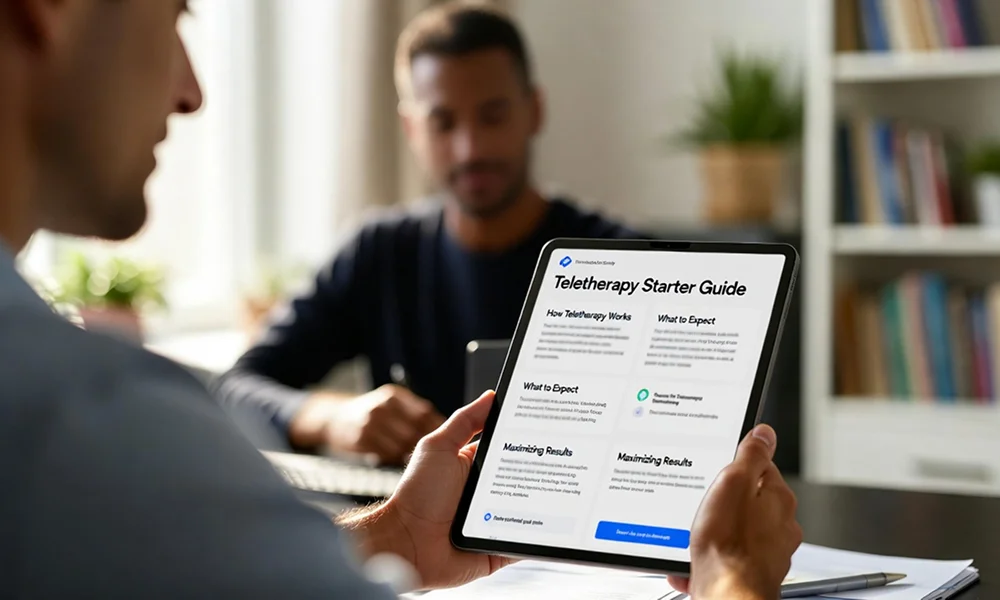
Resource guides consolidate valuable information into one document. These guides can cover coping strategies, self-care routines, or introductory information about therapy.
For example, a “Teletherapy Starter Guide” could explain how sessions work, what to expect, and tips for maximizing results. Offering these guides as free downloads attracts leads and nurtures potential patients by providing immediate value.
12. E-Books
E-books provide an in-depth look at therapy topics. Telehealth therapists can use them as lead magnets, offering valuable insights in exchange for email addresses.
For example, an e-book titled “Overcoming Anxiety in the Digital Age” could include practical exercises, real-life examples, and detailed explanations of therapy techniques. E-books allow you to showcase expertise while providing tangible value to your audience.
13. Interactive Quizzes
Quizzes engage users and provide personalized feedback. A quiz titled “What Type of Stress Are You Experiencing?” can help participants identify their stress patterns and suggest relevant therapy resources.
Quizzes educate and provide insights into patient needs, allowing therapists to tailor their content and services more effectively.
14. FAQs Pages
An FAQ section addresses common patient concerns and removes barriers to booking a session. Questions can include:
- How do I schedule a teletherapy session?
- Is teletherapy covered by insurance?
- How is patient privacy protected?
Providing clear answers helps potential patients feel informed and confident in taking the next step.
15. Success Stories
Success stories are narratives that showcase transformation. Sharing anonymized examples of patients who achieved meaningful improvements demonstrates your expertise and the real-world impact of therapy.
For instance, a patient struggling with social anxiety might initially find it difficult to attend virtual meetings. Over several weeks of teletherapy sessions focused on cognitive behavioral strategies, they gradually gain confidence, eventually attending online presentations without distress.
By narrating this journey, potential patients can see themselves in similar situations and feel hopeful that therapy can help them.
16. Behind-the-Scenes Content
Sharing behind-the-scenes glimpses of your teletherapy practice humanizes your services. Many patients feel anxious or uncertain about working with a therapist they’ve never met in person. Seeing your workspace, session setup, or daily routine creates familiarity and trust.
Examples include photos of your home office setup, videos of session preparation emphasizing privacy and professionalism, or a story about a typical workday highlighting your dedication to patients.
17. Collaborations with Influencers
Partnering with mental health advocates, wellness coaches, or thought leaders can significantly expand your reach. Collaborations can include guest appearances on podcasts, co-hosted webinars, or joint social media campaigns.
For example, partnering with a wellness coach to discuss stress management strategies can introduce your practice to their audience. Collaborations lend credibility and allow you to connect with new patient segments.
18. Online Challenges
Online challenges motivate participants to engage consistently with your content. Short-term challenges like a seven-day mindfulness challenge or long-term challenges like a 30-day gratitude journaling challenge encourage consistent participation.
By providing daily prompts, exercises, or reflections, you help participants integrate mental health practices into their routines. Sharing updates on social media or creating a dedicated group fosters engagement and community.
19. Therapy Myths vs Facts

Many individuals hesitate to seek therapy due to misconceptions. Addressing myths through content helps normalize therapy. Examples include:
- Myth: Therapy is only for severe mental health problems.
- Fact: Therapy benefits anyone seeking guidance or personal growth.
Content can be delivered through social media posts, blog articles, or videos, helping patients make informed decisions.
20. Seasonal Content
Mental health is influenced by seasonal events. Creating content that addresses season-specific challenges shows empathy and responsiveness.
Examples include managing holiday stress, back-to-school anxiety, or summer burnout prevention. Seasonal content also leverages trending topics and seasonal search queries, boosting visibility.
21. Guest Blogging
Writing guest posts for reputable websites expands authority and visibility. Topics can range from stress management strategies to integrating wellness into daily life. Guest blogging exposes your practice to new audiences and improves search engine rankings through backlinks.
22. Printable Worksheets
Worksheets provide tangible tools for patients between sessions. Examples include journaling prompts, goal-setting templates, or mindfulness exercises. These resources reinforce skills learned during sessions and encourage regular engagement.
23. Mini Email Courses
Mini email courses deliver structured content over days or weeks. Each email contains a lesson or exercise, gradually guiding participants toward better mental health practices.
Examples include a five-day course on anxiety management or mindfulness techniques. Mini courses nurture leads and increase the likelihood of booking sessions.
24. Telehealth How-To Guides
Guides help patients navigate teletherapy platforms and understand session procedures. They may cover setting up a private space, preparing for sessions, and maximizing results. Clear guidance reduces anxiety and improves satisfaction.
25. Patient Surveys and Polls
Engaging patients with surveys provides insights and shows that their opinions matter. Surveys can explore patient satisfaction, content preferences, or common challenges. Feedback informs your content strategy and creates opportunities for additional content based on results.
26. Social Media Reels or Shorts
Short videos are highly effective for social media. They convey tips, motivational messages, or brief exercises in an accessible format. Examples include a 30-second breathing exercise, a mindfulness tip, or a daily affirmation. These videos attract attention and encourage sharing.
27. Content Series
A consistent series fosters engagement and anticipation. Examples include “Mindful Mondays,” “Therapy Tip Thursdays,” or “Self-Care Sundays.” Series build routine engagement and brand recognition, positioning your practice as a reliable source of information.
Conclusion
Telehealth therapists have unprecedented opportunities to reach patients through digital channels. Leveraging these 25+ content marketing strategies allows you to educate patients, build trust, and expand your practice’s visibility.
From blogs and videos to webinars, email courses, and interactive challenges, each content type plays a role in attracting and retaining patients.
The key is creating high-quality, patient-focused content and delivering it consistently across multiple platforms. With these strategies in place, your telehealth practice can become a trusted resource, attracting patients and helping them improve their mental and emotional well-being.
Frequently Asked Questions
What is content marketing for telehealth therapists?
Content marketing for telehealth therapists means creating and distributing educational, helpful content logs, videos, newsletters, and social media posts that build trust with potential patients, demonstrate your expertise, and attract bookings without relying solely on paid advertising.
What type of content works best for attracting therapy patients?
Educational blog posts targeting specific conditions (anxiety, depression, burnout) consistently perform best for organic patient acquisition. Video content and patient testimonials work best for converting visitors who are already aware of your practice into booked consultations.
How often should a telehealth therapist post content?
Aim for 2–4 blog posts per month and 3–5 social media posts per week. Consistency matters more than volume; a reliable cadence builds both audience trust and search engine authority over time.
Do telehealth therapists need to be on every social media platform?
No, focus on one or two platforms where your ideal patients spend the most time. For most telehealth therapists, Instagram and LinkedIn deliver the best results. Master those before expanding elsewhere.
Can content marketing replace paid advertising for telehealth practices?
Over time, yes. Content marketing builds compounding organic traffic that reduces dependence on paid ads. Most practices see meaningful organic results within 3–6 months of consistent publishing, after which each new piece of content continues generating traffic at no additional cost.
How do telehealth therapists create content ethically?
Always keep content educational rather than diagnostic, explain patterns, and encourage professional evaluation rather than telling readers what condition they have. Include a disclaimer that the content is for informational purposes only, and never share identifiable patient information without explicit written consent.
Want a Content Strategy That Actually Attracts Patients?
Book a call to see how MedLaunch helps telehealth therapists build a consistent content marketing system that builds authority, attracts aligned patients, and grows your practice without paid ads.