


Key Takeaways: Modern Patient Recall Guide
-
1Patient recall, reminders, and reactivation are three distinct functions:
Recall targets patients without appointments who are due for care. Reminders go to patients who already have appointments. Reactivation addresses long-disengaged patients. Conflating them distorts your reporting and leaves genuine recall gaps invisible. -
2Effective recall reduces reliance on new patient marketing:
Every recall appointment filled is revenue from a patient you already have, at a fraction of the acquisition cost of a new one. Practices that master recall shift from reactive marketing spend to proactive retention economics, increasing patient lifetime value across the entire panel. -
3Manual recall is a staff burnout driver:
Front-desk teams manually pulling overdue lists, making outbound calls, leaving voicemails, and documenting attempts cannot scale. As panel size grows, manual recall becomes the bottleneck. Automation identifies eligible patients and triggers outreach without consuming staff time. -
4Omnichannel outreach consistently outperforms single-channel recall:
SMS has high open rates but low context. Email allows detail. Phone reaches patients who haven’t responded. A coordinated multi-touch sequence across channels, rather than a single message, dramatically improves response rates without feeling aggressive. -
5Recall volume must be aligned with appointment availability:
Triggering a large recall campaign when provider slots are full creates a worse patient experience than no recall at all. Patients who respond but can’t book become frustrated and disengage. Synchronise recall outreach with scheduling capacity before launching. -
6Data quality determines recall quality:
Recall lists are only as accurate as the EHR data behind them. Incorrect last-visit dates, missing diagnosis codes, and outdated contact information produce recall attempts that reach the wrong patients at the wrong time. Cleaning and maintaining data hygiene is a prerequisite, not an afterthought.
In today’s high-demand healthcare environment, patient recall is no longer a back-office task that can be handled “when there’s time.” It is a strategic function that directly influences revenue stability, clinical outcomes, patient retention, and staff workload.
For busy medical practices juggling provider shortages, rising patient expectations, and administrative complexity, a modern patient recall strategy can be the difference between controlled growth and operational chaos.
Patient recall in healthcare refers to the structured process of bringing existing patients back for recommended or clinically necessary care.
This may include annual preventive visits, chronic disease follow-ups, post-procedure check-ins, screening appointments, or recurring specialty services. Unlike general marketing outreach, patient recall is tied to clinical guidelines, continuity of care, and quality measures. It is proactive rather than reactive.
The cost of missed and overdue appointments is substantial. Clinically, delayed screenings and follow-ups can result in missed diagnoses, disease progression, and avoidable complications. From a business perspective, recall failures lead to revenue leakage, unpredictable scheduling, and inefficient provider utilization.
Over time, these inefficiencies increase staff stress and contribute to burnout, especially for front-desk teams responsible for chasing down overdue patients manually.
Patient recall also fits squarely into a broader patient access and retention strategy. Practices that effectively manage recall see fewer gaps in care, lower no-show rates, stronger patient loyalty, and more consistent appointment volume. Instead of constantly relying on expensive new patient marketing, they maximize the lifetime value of their existing panel.
This guide explores what patient recall truly means, how it differs from reminders and reactivation, and why it matters for modern healthcare organizations.
It will walk through patient recall strategies, systems, automation tools, messaging frameworks, specialty-specific examples, and performance metrics, culminating in a practical roadmap for implementation.
Table of Contents
What Is Patient Recall in Healthcare?
Patient Recall vs Routine Reminders vs Reactivation
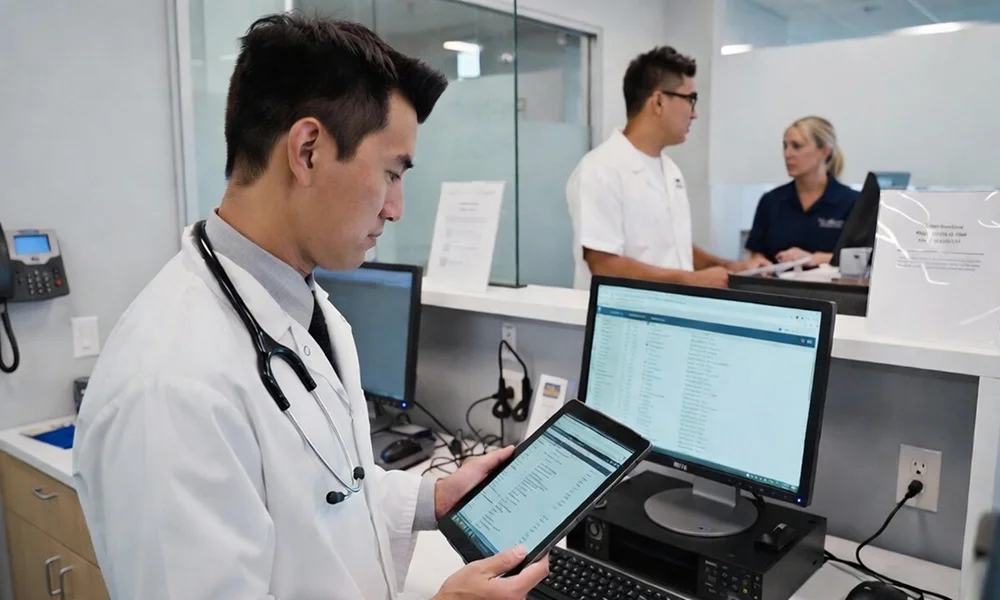
Many practices unintentionally blur the lines between recall, reminders, and reactivation. Although these functions may appear similar on the surface, they serve distinct purposes within the patient engagement lifecycle.
Patient recall is focused on identifying patients who are due or overdue for recommended care and encouraging them to schedule. These patients do not yet have appointments on the calendar. The recall process identifies them based on time intervals, diagnosis codes, procedure history, or preventive care guidelines.
Routine reminders, in contrast, are sent to patients who already have scheduled appointments. Their goal is to reduce no-shows and confirm attendance. Reminders typically occur within a short window before the visit—often 24 to 72 hours prior.
Patient reactivation addresses a different population altogether: individuals who have not been seen in an extended period and may have disengaged from the practice. Reactivation often involves more intensive outreach and relationship rebuilding.
When these categories are not clearly defined, reporting becomes distorted. Practices may believe they are performing well in recall because reminder response rates are strong. However, they may still have large numbers of patients overdue for care. A structured patient recall process in healthcare ensures these categories remain distinct, measurable, and optimized independently.
Common Recall Use Cases by Speciality
Although the core principles of patient recall remain consistent, application varies by specialty.
In primary care, recall commonly targets annual physical exams, Medicare wellness visits, chronic disease management follow-ups, and preventive screenings such as colonoscopies or mammograms. Because primary care providers serve as the foundation of longitudinal health management, recall directly impacts quality measures and population health outcomes.
Dental practices rely heavily on hygiene recall cycles, often scheduled at six-month intervals. Periodontal maintenance programs and unfinished treatment plans also fall within the recall domain. In these settings, consistent recall drives predictable production and strengthens long-term patient relationships.
Optometry and ophthalmology practices utilize recall for annual eye exams, prescription renewals, and chronic eye condition monitoring. For patients managing glaucoma or macular degeneration, timely recall supports disease progression tracking and intervention.
Specialty clinics such as orthopedics, oncology, cardiology, pediatrics, and women’s health require more condition-specific recall cadences. Post-operative orthopedic follow-ups, oncology surveillance visits, pediatric developmental milestones, and prenatal or postpartum check-ins are all examples of specialty recall scenarios.
Despite these variations, the underlying goal remains the same: ensuring that recommended care occurs within clinically appropriate timeframes.
Business and Clinical Impact of Patient Recall
Revenue, Capacity, and Schedule Utilization
Financial sustainability in healthcare depends not only on attracting new patients but also on optimizing care for existing ones. Effective patient recall strategies stabilize monthly revenue by filling predictable care gaps. When recall functions well, providers experience more balanced schedules with fewer unexpected openings.
Practices often face uneven appointment density—fully booked weeks followed by periods of underutilization. This volatility makes staffing and revenue forecasting difficult. Automated patient recall systems mitigate this instability by continuously feeding appropriate appointments into the calendar based on due dates and care intervals.
By strengthening recall, practices reduce reliance on costly advertising campaigns designed solely to replace lost volume. The economics shift from reactive marketing to proactive retention. Over time, this approach increases patient lifetime value and improves return on investment across the organization.
Clinical Outcomes and Continuity of Care

The clinical implications of missed recall are significant. When patients delay recommended screenings or chronic care visits, small issues can escalate into complex health events. Preventive services such as cancer screenings or cardiovascular risk assessments are most effective when performed consistently.
Patient recall best practices help close gaps in care and improve quality metrics that influence reimbursement and payer relationships. For value-based care models, recall plays a central role in maintaining performance benchmarks. Even in fee-for-service environments, strong recall strengthens continuity, trust, and patient satisfaction.
Continuity of care also reduces fragmentation. When patients return consistently to the same provider, medical history, treatment plans, and follow-up recommendations remain aligned. This improves clinical decision-making and reduces duplicative testing.
Staff Workload and Burnout
Many busy medical practices still rely on manual recall processes. Staff members pull overdue lists from the EHR, make outbound calls, leave voicemails, document attempts, and repeat the cycle weeks later. This repetitive administrative burden consumes valuable time and often yields inconsistent results.
As patient panels grow, manual recall becomes unsustainable. Front-desk teams already managing check-ins, insurance verification, and scheduling cannot effectively handle large recall volumes without experiencing stress and fatigue.
Automated patient recall systems relieve this burden. By identifying eligible patients and triggering structured, multi-channel outreach automatically, these systems allow staff to focus on higher-value interactions. The result is improved operational efficiency without adding headcount.
Foundations of a Modern Patient Recall Process
A successful patient recall process in healthcare is systematic rather than ad hoc. It begins with reliable data. Without accurate documentation of last visit dates, diagnosis codes, and recommended follow-up intervals, recall lists will be flawed.
The first step is identifying recall-eligible patients through the EHR or practice management system. Once identified, patients should be segmented according to risk level, visit type, and priority. High-risk chronic care patients may warrant earlier or more personalized outreach, while routine preventive visits can follow standardized campaigns.
After segmentation, the practice selects communication channels and timing. Omnichannel patient recall strategies typically outperform single-channel approaches. Messages are deployed according to a predefined cadence, and responses are captured directly within scheduling workflows.
Finally, performance tracking closes the loop. Metrics such as recall response rate, appointment completion rate, and revenue per recall campaign inform continuous improvement. This cyclical refinement transforms recall from a static task into an evolving operational engine.
Patient Recall Strategies That Actually Work
Successful patient recall strategies combine structure, empathy, and convenience. Multi-touch outreach improves visibility without overwhelming patients. For example, an initial text message may be followed by an email reminder and, if necessary, a phone call. Each touchpoint reinforces the clinical importance of scheduling.
Omnichannel patient recall recognizes that different patients prefer different communication methods. Younger patients may respond quickly to SMS with self-scheduling links, while older patients may prefer phone conversations. Integrating channels prevents missed opportunities.
Convenience is a powerful driver of recall success. Practices that offer extended hours, telehealth options, or online scheduling remove friction from the process. When patients perceive scheduling as easy and accessible, response rates increase.
Financial transparency also influences recall behavior. Clear communication about insurance coverage, payment plans, and costs reduces hesitation. However, incentives should remain compliant with healthcare regulations and ethical standards.
Education reinforces recall organically. Condition-specific newsletters or awareness campaigns can naturally lead to a scheduling call to action without aggressive marketing language.
Patient Recall Systems and Automation
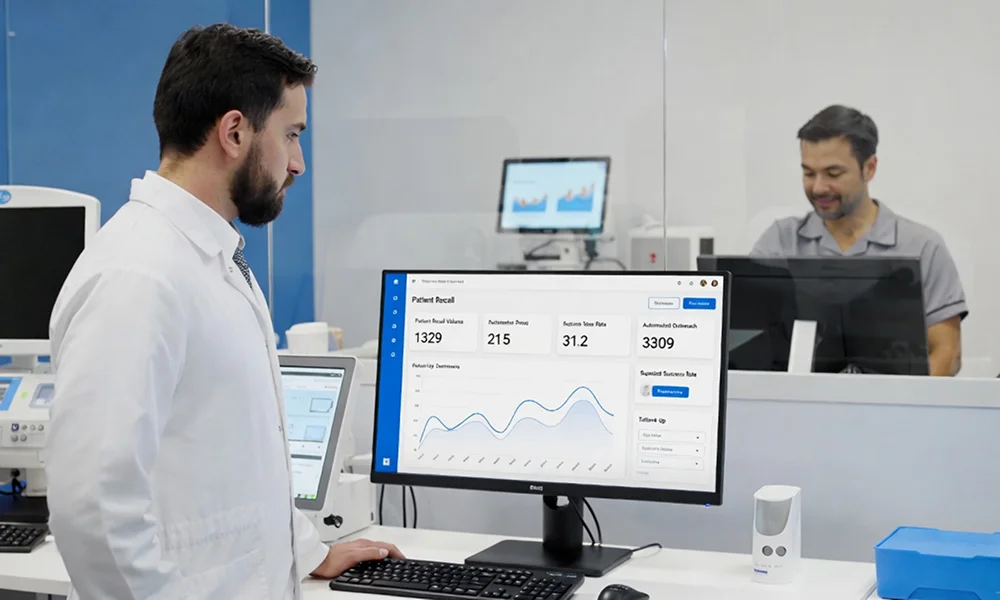
An automated patient recall system integrates with clinical and scheduling platforms to streamline identification and outreach. These systems use rule-based logic to determine when patients become due for care and initiate communication accordingly.
Unlike general marketing automation tools, recall systems are clinically informed. They rely on diagnosis codes, procedure histories, and guideline-based intervals rather than promotional calendars alone.
The benefits of automated patient recall extend beyond time savings. Predictable recall volume leads to more stable appointment density and revenue forecasting. Reduced phone dependency lowers administrative strain and improves staff morale.
Practices must evaluate systems carefully. Integration with existing EHR or PMS platforms is essential. Channel support, reporting dashboards, compliance safeguards, and automation sophistication should all be considered. A recall system should enhance—not complicate—daily workflows.
Omnichannel Patient Recall in Practice
Omnichannel patient recall coordinates messaging across SMS, email, phone calls, patient portals, and even social media awareness efforts. The goal is not to bombard patients but to create cohesive, consistent outreach.
SMS works particularly well for short, time-sensitive recall messages. Because text messages often have high open rates, they serve as effective initial touchpoints. Emails provide space for more detailed explanations, educational content, and personalized context.
Phone calls remain valuable for high-risk patients or complex visit types. Empathy and clarity are critical in voice outreach. Staff scripts should prioritize patient well-being and convenience rather than urgency or pressure.
Social media and newsletters can amplify recall awareness at scale. While they cannot include protected health information, they can highlight seasonal screenings or preventive services, encouraging patients to take action proactively.
Patient Recall Messaging: Copy, Tone, and Personalization
Effective patient recall messaging balances professionalism with warmth. Messages should be clear, concise, and action-oriented. Rather than emphasizing missed care or guilt, they should highlight benefits such as maintaining health, preventing complications, and staying on track with treatment plans.
Personalization enhances engagement. Including the patient’s name, provider’s name, and relevant visit type increases relevance. However, practices must remain mindful of privacy regulations and limit sensitive details in unsecured channels.
Templates streamline messaging consistency. For preventive visits, a simple reminder that the patient is due and a link to schedule may suffice. For chronic disease management, brief context about monitoring progress reinforces importance. For missed appointments, a supportive tone encourages rescheduling without blame.
Segmentation allows tone adjustments by age group and risk level. Pediatric recall messages may emphasize developmental milestones, while cardiology recall may stress cardiovascular risk management.
Patient Recall Best Practices for Busy Medical Practices
Operational discipline underpins recall success. Practices should establish a standardized workflow with clear ownership. One team member may oversee recall lists, another may approve messaging campaigns, and providers may contribute to clinical interval definitions.
Synchronization with scheduling capacity is crucial. There is little benefit in triggering a large recall campaign if provider availability is limited. Aligning recall volume with appointment supply prevents frustration.
Compliance must remain central. HIPAA guidelines, consent management, and opt-out mechanisms protect both patients and practices. Messages should remain actionable yet minimally detailed to safeguard privacy.
Measuring performance closes the improvement loop. Tracking response rates, completion rates, revenue impact, and no-show reductions reveals whether strategies are effective. Continuous A/B testing of timing, channels, and copy ensures optimization.
Specialty-Specific Patient Recall Examples

Primary care practices often structure recall around preventive services and chronic disease monitoring. Telehealth follow-ups can expand accessibility, particularly for stable chronic patients.
Dental practices rely on predictable hygiene cycles, which create recurring patient touchpoints and production stability. Structured recall cadences ensure consistent patient flow.
Optometry and ophthalmology practices focus on annual exams and chronic eye condition monitoring, emphasizing vision preservation.
Specialty clinics tailor recall intervals to clinical guidelines. Orthopedic practices may recall patients at specific postoperative milestones. Cardiology practices may emphasize regular monitoring to reduce cardiovascular events. Pediatrics often align recall with vaccination schedules and developmental assessments.
Building Your Modern Patient Recall Playbook
Implementing modern patient recall requires phased execution. In the first 30 days, practices should assess data quality, workflow gaps, and current recall performance. Accurate baseline metrics are essential.
Within 60 days, selecting and implementing appropriate patient recall systems allows automation to begin. Templates, segmentation logic, and reporting dashboards should be configured carefully.
By 90 days, optimization becomes the focus. Messaging refinements, staff training, and performance reviews ensure continuous improvement.
Common pitfalls include over-messaging, poor list hygiene, ignoring provider capacity, and relying solely on phone outreach. Avoiding these mistakes accelerates success.
Looking ahead, artificial intelligence and intelligent scheduling tools are reshaping recall. Predictive analytics can identify patients at higher risk of no-show or deterioration, enabling proactive engagement. Self-service scheduling portals further reduce friction.
Conclusion
Modern patient recall is both a clinical safeguard and a growth engine. Through structured processes, omnichannel patient recall strategies, automation, and consistent measurement, busy medical practices can transform recall from a reactive burden into a proactive advantage.
When recall systems function effectively, providers experience more stable schedules, patients receive timely care, and staff workload becomes manageable. Revenue becomes more predictable, quality metrics improve, and patient relationships strengthen.
If your practice still relies heavily on manual call lists and inconsistent outreach, now is the time to modernize. By investing in thoughtful automation, refining patient recall messaging, and aligning strategy with capacity, you can build a scalable recall infrastructure that supports both clinical excellence and sustainable growth.
Start by auditing your current patient recall process, define your priorities, and implement systems that make recall consistent, measurable, and patient-centered. In doing so, you will turn patient recall into one of the most powerful operational assets in your organization.
Frequently Asked Questions
What is patient recall in healthcare?
Patient recall is the structured process of identifying existing patients who are due or overdue for recommended care, annual physicals, chronic disease follow-ups, preventive screenings, or post-procedure check-ins, and proactively contacting them to schedule. It is clinically driven, tied to care guidelines and diagnosis history, and distinct from both appointment reminders and general marketing.
How is patient recall different from appointment reminders?
Patient recall targets patients who have no upcoming appointment and are due for care. Appointment reminders go to patients who already have appointments booked, with the goal of reducing no-shows. Conflating the two creates reporting blind spots, strong reminder response rates can mask large numbers of patients who remain overdue for care with nothing on the calendar.
What is the difference between patient recall and patient reactivation?
Recall targets patients who are due for care within a normal clinical timeframe and just haven’t scheduled yet. Reactivation targets patients who have been disengaged from the practice for an extended period, often a year or more, and may require more intensive, relationship-rebuilding outreach. Both are important but require different messaging, cadence, and success metrics.
Why are automated patient recall systems important for busy practices?
Because manual recall pulling overdue lists, making outbound calls, leaving voicemails, and documenting attempts doesn’t scale. As patient panels grow, manual recall becomes the bottleneck that drives front-desk burnout. Automated systems identify eligible patients and trigger structured multi-channel outreach continuously, freeing staff for higher-value work while maintaining consistent recall volume without adding headcount.
What is omnichannel patient recall?
Omnichannel patient recall coordinates outreach across SMS, email, phone calls, patient portals, and newsletter campaigns in a structured sequence. SMS provides high-open-rate initial contact. Email allows detailed context and scheduling links. Phone calls reach high-risk patients who haven’t responded digitally. The goal is cohesive, consistent outreach, not channel bombardment timed to maximise response rates.
What are the most effective patient recall strategies?
Multi-touch omnichannel outreach consistently outperforms single-channel approaches. Embedding self-scheduling links in messages dramatically reduces friction. Segmenting patients by risk level, visit type, and communication preference enables personalised messaging. Aligning recall volume with available appointment slots prevents patient frustration. And measuring response rates, completion rates, and revenue per campaign enables continuous refinement.
Still Running Patient Recall Manually? There’s a Better Way.
Book a call to see how MedLaunch helps busy medical practices automate patient recall, from overdue list identification and omnichannel outreach to self-scheduling links and real-time campaign tracking.