

Key Takeaways
-
1Attendance optimization is a system: True optimization requires a blend of operations, digital access, communication, and behavioral strategies — not just reminders.
-
2Poor attendance costs more than expected: With high fixed costs, a 75–85% attendance rate leads to significant lost revenue. Even a 10–15% no-show rate can cost practices hundreds of thousands annually.
-
3Behavioral factors drive no-shows: Emotional factors like feeling better, anxiety, or past dissatisfaction contribute to no-shows, making them a key element of attendance optimization.
-
4Frictionless rescheduling reduces no-shows: Simplifying the rescheduling process with real-time online booking helps reduce no-shows by allowing easy appointment changes.
-
5Data segmentation drives success: Stratifying patient risk using data helps target high-risk groups with enhanced outreach and support, addressing issues like transportation and social factors.
Patient attendance optimization is more than simply reducing no-shows. It is a systematic, end-to-end effort to increase completed, on-time visits across both in-person and virtual care formats.
Group practices must think beyond reminder texts and penalty policies. True patient attendance optimization integrates operations, digital access, communication, and behavioral science to ensure that scheduled visits actually turn into completed care encounters.
Why does this matter so much?
Because patient attendance directly impacts three core pillars of clinic performance:
- Access: Higher attendance means more patients seen without hiring additional staff or expanding physical space.
- Outcomes: When patients complete their care plans, chronic conditions are better controlled, and treatment plans are more effective.
- Revenue: Fewer empty appointment slots mean stronger capacity utilization and healthier margins.
Missed appointments are expensive. A single unused slot represents lost visit revenue, wasted provider time, and underutilized overhead costs.
Across larger outpatient groups, even a modest 10–15% no-show rate can translate into hundreds of thousands or millions in lost annual revenue.
Clinically, missed follow-ups disrupt care continuity, worsen disease control, and increase avoidable emergency department utilization. Operationally, unpredictable schedules create stress for front desk teams and providers, contributing to burnout.
The solution is not just more reminders.
Group practices need integrated operational, digital, and behavioral strategies to optimize patient attendance from scheduling to checkout — and beyond.
Table of Contents
Why Patient Attendance Is a Strategic Priority

The True Cost of No-Shows and Late Cancellations
Financial Impact
Empty schedule “holes” are deceptively costly. Most clinics operate with high fixed costs — provider salaries, rent, equipment, administrative staffing. When patient attendance rates hover at 75–85% utilization, the remaining unused capacity represents pure lost opportunity.
Late cancellations are nearly as damaging as no-shows. When patients cancel within 24 hours, there is often insufficient time to backfill the slot. The provider is present, the room is available, but revenue is gone.
Over time, this erodes profitability and limits reinvestment in staff, technology, and patient experience improvements.
Clinical Impact
Missed follow-ups interrupt treatment plans. In chronic disease management — diabetes, hypertension, asthma, mental health conditions — consistency matters. Skipping even one appointment can delay medication adjustments, diagnostic follow-ups, or therapy progression.
Lower patient appointment attendance correlates with:
- Poorer chronic disease control
- Delayed diagnoses
- Increased avoidable ED visits
- Higher hospitalization rates
Attendance is not just an operational metric. It is a clinical quality metric.
Relationship and Reputation Impact
Frequent schedule gaps and rescheduling cycles create frustration for staff and referring providers. Clinics may appear disorganized or inaccessible. Patients who struggle to book, reschedule, or attend visits often leave negative reviews or disengage entirely.
In today’s digital landscape, reputation spreads quickly. Reliable patient visit attendance and smooth experiences drive positive word-of-mouth, which fuels growth.
How Attendance Drives Outcomes, Reputation, and Growth
Consistent Attendance Improves Outcomes
High patient attendance supports:
- Better adherence to care plans
- More complete episodes of care
- Measurable improvements in outcomes
When patients attend consistently, providers can proactively manage conditions rather than reactively address crises.
Reputation and Patient Acquisition
Predictable scheduling, short waits, and smooth communication generate trust. Trust leads to positive online reviews and referrals. Boosting patient attendance in clinics indirectly improves acquisition by strengthening brand credibility.
Payers and Value-Based Care
In value-based contracts, continuity of care matters. Payers increasingly track:
- Completed care episodes
- Avoidable utilization
- Quality measures
Strong patient attendance rates become a strategic lever for achieving shared-savings targets and improving payer relationships.
Root Causes of Poor Patient Attendance in Group Practices

Understanding why attendance falters is the first step toward improving it.
Structural and Operational Barriers
Many clinics unintentionally create friction:
- Inflexible hours that conflict with work schedules
- Limited evening or weekend options
- Long waits between booking and visit dates
- Transportation or parking challenges
Phone-only scheduling and limited rescheduling pathways add further obstacles. If changing an appointment requires a 20-minute hold time, patients may simply not show.
Communication and Information Gaps
Patients forget visits, especially when lead times are long. Weak reminder systems increase no-shows.
Other gaps include:
- Unclear cancellation policies
- No easy reschedule option
- Complex instructions
- Language barriers
If patients don’t know how to change an appointment, silence becomes a no-show.
Behavioral and Psychological Factors
Attendance is also emotional.
- “I feel better now — I don’t need this visit.”
- Anxiety about potential bad news
- Past negative experiences
- Feeling dismissed or rushed previously
Without addressing these factors, clinics miss an important part of patient attendance optimization.
Building the Foundation – Your Patient Attendance Policy and Metrics
1. Designing a Clear, Patient-Centric Attendance Policy
A strong attendance policy includes:
- Clear cancellation windows
- Late arrival expectations
- Repeated no-show handling
- Rescheduling pathways
However, tone matters. Policies should emphasize access and fairness, not punishment. Patients are more likely to comply when they understand the “why” behind the rules.
Communicate policies at multiple touchpoints — intake, follow-up summaries, portal messages, and reminders — not just in a single signed form.
2. Defining the Right KPIs for Attendance Optimization
Core metrics include:
- No-show rate
- Late-cancel rate
- Same-day cancel rate
- On-time arrival rate
- Completed episode rate
Segment by provider, visit type, location, and channel (in-person vs virtual). Patterns reveal opportunity.
High-performing outpatient clinics often achieve single-digit no-show rates (5–8%), though benchmarks vary by specialty.
3. Tracking Reasons for Missed Appointments
Use standardized reason codes:
- Transportation
- Work conflict
- Childcare
- Forgot
- Felt better
- Too sick
- Cost concerns
- Anxiety
Collect this data consistently. Then act on it.
If transport barriers dominate, consider telehealth or transport partnerships. If “forgot” is common, strengthen reminder cadence.
How to Optimize Patient Attendance
Strategy 1 – Make Scheduling and Rescheduling Frictionless
24/7 Self-Scheduling and Digital Access
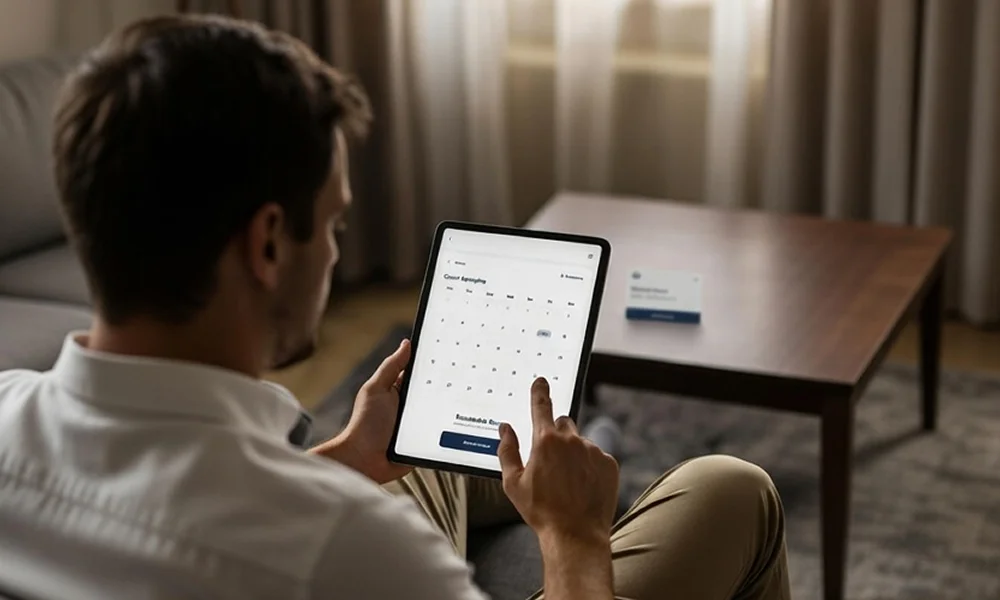
Patients expect consumer-grade scheduling. Real-time online booking with minimal steps dramatically improves patient visit attendance.
Design principles:
- Clear visit types
- Mobile-friendly interface
- Easy edits
- No forced complex logins
Frictionless rescheduling reduces no-shows because patients can change plans instead of disappearing.
2. Intelligent Templates That Reflect Demand
Align templates with real demand patterns:
- Peak hours
- High-volume visit types
- Seasonal trends
Protect same-day slots and use digital waitlists to automatically backfill cancellations.
3. Reducing Phone Dependency
Shift routine scheduling to digital platforms while preserving human support for complex cases. This frees staff to focus on coordination and problem-solving.
Reducing phone friction is one of the fastest ways to improve patient attendance.
Strategy 2 – Use Smart, Multichannel Communication
1. Evidence-Based Reminder Cadence
Layer reminders:
- At booking
- One week prior (for long lead times)
- Day before
- Same-day reminder
Use SMS, email, and automated voice based on patient preference and risk level.
2. Reminder Content That Drives Action
Include:
- Date and time
- Map link
- Parking info
- Prep instructions
- One-click confirm or reschedule
Make the desired action effortless.
3. Personalization and Language Support
Send reminders in preferred language. Mention provider name and care goal when possible.
Personalized communication improves patient appointment attendance significantly compared to generic reminders.
Strategy 3 – Align Clinic Hours and Visit Formats with Real Life
1. Extended Access
Offer early mornings, evenings, or rotating weekend slots where demand supports it.
Flexibility is one of the strongest ways to increase patient attendance.
2. Hybrid and Telehealth Options
Telehealth works well for:
- Chronic condition follow-ups
- Medication reviews
- Post-procedure check-ins
Providing virtual alternatives reduces transport and distance barriers, particularly in patient attendance in outpatient clinics.
3. Flexible Visit Types
Short visits, group sessions, and asynchronous check-ins improve continuity. Diverse formats allow clinics to match care to patient life realities.
Strategy 4 – Digital Intake and Pre-Visit Workflows
1. Digital Forms as Commitment Devices
Pre-visit forms increase psychological commitment. When patients complete paperwork, they are more likely to attend.
Keep forms short, mobile-friendly, and easy to return to.
2. Reducing Waiting Room Time
Pre-visit completion shortens in-clinic time, making visits more predictable.
Communicate total visit duration clearly so patients can plan.
3. Improving Data Quality
Digital intake reduces errors and rework. Cleaner workflows improve experience, reinforcing attendance habits.
Strategy 5 – Optimize the In-Clinic Experience
1. Minimize Wait Times
Use dashboards to monitor bottlenecks. Provide honest updates about delays.
Transparency reduces frustration and improves future patient visit attendance.
2. Improve the Waiting Environment
Comfortable seating, Wi-Fi, clear signage, and separate zones enhance experience. For virtual visits, branded digital waiting rooms maintain professionalism.
3. Close the Loop at Checkout
Before patients leave:
- Reinforce care plan importance
- Book follow-ups immediately
- Confirm reminder preferences
Strong checkout processes directly impact future patient attendance rates.
Strategy 6 – Behavioral Science Approaches

1. Frame the Value of Each Visit
Explain clearly:
“This visit helps adjust your plan to prevent flare-ups.”
Concrete framing increases perceived value.
2. Leverage Commitment and Social Norms
Co-create schedules. Use gentle norm messaging when appropriate.
Ownership increases follow-through.
3. Incentives and Accountability
Consider modest incentives where allowed. Use fair, transparent escalation policies for repeat no-shows.
Behavioral nudges complement operational improvements.
Strategy 7 – Segment and Tailor Interventions
1. Identify High-Risk Cohorts
Use historical data and social factors to stratify risk.
Not all patients need the same intervention.
2. Tiered Support Levels
Standard reminder pathway for most. Enhanced outreach for high-risk groups.
Care coordinators can dramatically improve attendance for vulnerable populations.
3. Address Social Determinants
Partner with community organizations for transport and financial counseling.
Addressing root causes strengthens long-term patient attendance optimization.
Strategy 8 – Turn Missed Appointments into Recovery Opportunities
1. Systematic Follow-Up
Contact no-shows within 24–48 hours using empathetic scripts.
Capture reason codes consistently.
2. Offer Alternatives
Provide telehealth or rapid rebooking options.
Avoid “dead ends” in care pathways.
3. Learn from Patterns
Analyze repeat no-shows. Adjust templates and outreach strategies accordingly.
Continuous feedback improves performance.
Using Data and Analytics to Improve Attendance
Build a Patient Attendance Dashboard
Track:
- No-show rates
- Late cancels
- On-time arrivals
- Completion rates
Segment and visualize trends over time.
Run Experiments
A/B test reminder timing, messaging, and visit formats.
Measure what works.
Integrate Attendance into Performance Programs
Include attendance metrics in team scorecards. Focus on shared problem-solving, not blame.
Attendance becomes part of clinic culture.
How Group Practices Can Get Started with Patient Queue Optimization
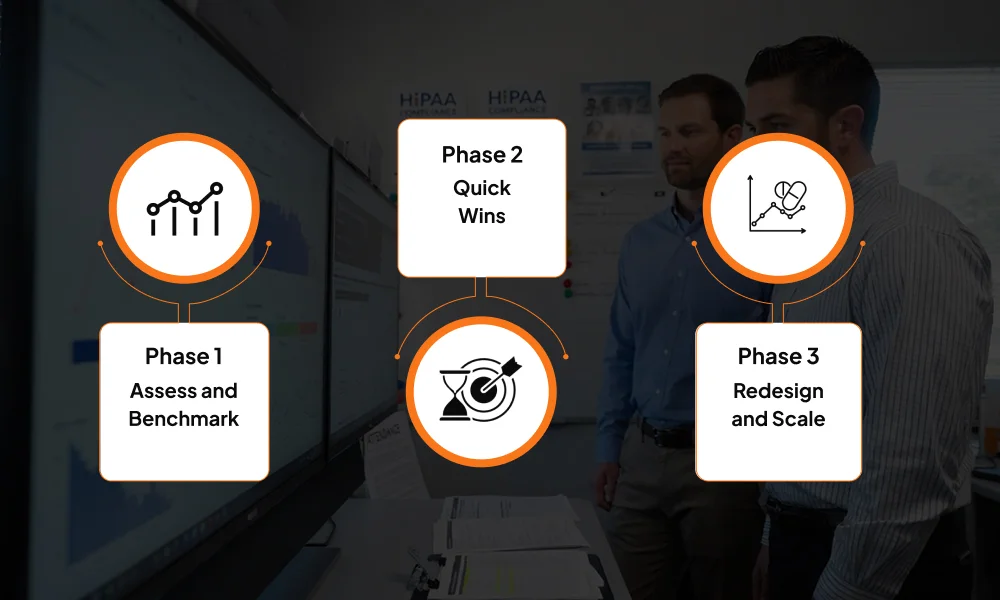
Phase 1 – Assess and Benchmark
Baseline key metrics. Review policies and workflows. Inventory technology.
Understand before redesigning.
Phase 2 – Quick Wins
Improve reminder content. Enable simple rescheduling. Clarify policies.
Small changes can quickly improve patient attendance rates.
Phase 3 – Redesign and Scale
Align templates with demand. Expand hybrid options. Formalize data reviews.
Scale what works.
Conclusion
Patient attendance is not a minor operational inconvenience. It is a strategic driver of access, outcomes, reputation, and financial performance.
Group practices that treat patient attendance optimization as a comprehensive system — integrating digital access, behavioral insights, operational redesign, and continuous analytics — consistently outperform those relying solely on reminders or penalties.
If your goal is to improve patient attendance, increase completed care episodes, and strengthen clinic margins without adding unnecessary overhead, start by rethinking attendance as an end-to-end experience.
Because every scheduled appointment is an opportunity.
And every kept appointment moves your clinic — and your patients — forward.
FAQs
What is patient attendance optimization?
It’s a system-wide strategy to increase completed, on-time visits by improving scheduling, communication, access, and patient engagement.
How does improving attendance impact clinic revenue?
Higher attendance reduces empty slots, improves capacity utilization, and directly increases predictable revenue.
Are reminders alone enough to reduce no-shows?
No — sustainable improvement requires operational redesign, digital access, behavioral strategies, and clear policies.
How quickly can clinics improve patient attendance rates?
With quick wins like better reminders and frictionless rescheduling, clinics often see measurable improvements within weeks.