


Key Takeaways
-
1Surveys reveal what metrics miss: Satisfaction surveys proactively capture patient feedback, highlighting unmet expectations before they escalate into complaints or negative reviews.
-
2Digital surveys outperform paper: Digital surveys provide faster feedback, higher response rates, automated data capture, real-time reporting, and a better patient experience.
-
3Timing and delivery matter: Send surveys immediately after visits for fresh feedback. Choose the delivery method (SMS, email, kiosk) based on patient demographics and tech access.
-
4Set clear objectives first: Define what you want to measure (e.g., access, communication, telehealth) to avoid irrelevant questions and ensure actionable insights.
-
5Feedback creates value through action: Group feedback by themes, prioritize issues, communicate improvements, and engage staff in solutions to drive meaningful change.
Patient experience sits at the heart of every thriving clinic, outpatient practice, or healthcare service. A well-designed patient satisfaction survey gives your organization direct insight into how patients perceive their care, from scheduling appointments to communication, wait times, and overall satisfaction with their visit.
In this practical guide, we’ll cover what patient satisfaction surveys are, why they matter, examples from real-world healthcare settings, how to create your own, digital and online options, must-ask questions, and strategies to use the feedback to improve care.
Whether you want to implement a digital survey, refine your clinic’s survey process, or understand how to use results to improve patient outcomes, this guide has you covered.
Table of Contents
What Is a Patient Satisfaction Survey?

A patient satisfaction survey is a structured feedback tool used to gather patients’ perceptions of their healthcare experience. Unlike clinical outcomes or formal complaints, satisfaction surveys focus on the experience, not just the medical result.
They help you understand how patients feel about things like scheduling, communication with clinicians, responsiveness of staff, the waiting environment, and whether their expectations were met.
Increasingly, clinics also use patient satisfaction surveys to evaluate how well their patient flow solutions are working, including how smoothly patients move from arrival to check-in, waiting, and being seen by a provider.
Patient satisfaction surveys are widely used across healthcare settings, including hospitals, clinics, outpatient centers, telehealth services, and specialty practices.
The core goal is the same: to capture honest feedback that reveals areas for improvement in both service and clinical delivery.
In contrast to patient complaints, which are often submitted only when someone is unhappy, satisfaction surveys proactively invite all patients to share their thoughts, making them a powerful tool for quality improvement.
Why Are Patient Satisfaction Surveys Important?
Understanding why patient satisfaction surveys are important helps clinics justify the effort and resources needed to implement them — especially in today’s competitive healthcare landscape.
1. Identify Experience Gaps Before They Become Problems
Patient feedback highlights where expectations are not being met — whether that’s long wait times, unclear communication about medications, or difficulty scheduling appointments. Without feedback, many of these concerns remain invisible until they escalate into complaints or negative online reviews.
2. Drive Quality Improvement and Staff Training
Patient satisfaction surveys help organizations pinpoint performance gaps that are not visible through clinical measures alone. For example:
- Are patients satisfied with how clinicians explain diagnoses?
- Do reception staff greet patients respectfully?
- Is the check-in process smooth and efficient?
By tracking responses over time, teams can target staff training and process improvements where they’re most needed.
3. Influence Reputation and Online Reviews

Potential patients often base their choices on online reputation and word-of-mouth. High satisfaction scores can boost a clinic’s reputation. Positive feedback can be used in marketing materials and on healthcare review platforms.
4. Tie to Reimbursement and Quality Incentives
In some healthcare systems, patient satisfaction data ties directly to performance incentives and reimbursement models. For example, programs like HCAHPS in the United States significantly impact hospital reimbursement based on patient experience scores.
In sum, patient satisfaction surveys serve as both a mirror — showing how patients truly feel — and a compass, guiding healthcare practices toward meaningful improvements.
Types and Examples of Patient Satisfaction Surveys
There’s no one-size-fits-all approach to patient satisfaction. Clinics and healthcare systems use various formats depending on patient population, care setting, and organizational goals.
Common Formats in Healthcare
1. Short Point-of-Care Surveys
Often 3–7 questions, completed immediately after a visit in the clinic or via text message after discharge. These focus on immediate impressions.
2. Post-Visit Digital Surveys
A survey emailed or texted after the appointment. These can be more detailed and allow patients to reflect before responding.
3. Annual Experience Surveys
Longer surveys sent yearly to a panel of patients to assess overall perceptions over time.
4. Specialty-Specific Surveys
For departments like radiology, physical therapy, or telehealth services, tailored surveys capture nuances specific to those experiences.
Paper vs. Digital Survey Examples

Traditionally, many clinics used paper feedback forms handed out at reception or in exam rooms. Today, the shift toward digital makes it easier to gather and analyze responses:
- Paper surveys handed to patients at checkout.
- Digital surveys sent via SMS link or online portal.
- Online surveys accessible on smartphones, tablets, or computers.
- Hybrid approaches combining paper and online options.
Examples of Patient Satisfaction Survey Themes
Common areas often measured in surveys include:
Access and Waiting
- Ease of scheduling
- Timeliness of appointment
- Satisfaction with wait time
Communication and Information
- Clarity of explanations
- Opportunity to ask questions
- Understanding treatment options
Staff Courtesy and Respect
- Friendliness of staff
- Respectful treatment by clinicians
Environment and Comfort
- Cleanliness of the clinic
- Comfort in waiting areas
- Privacy during care
Overall Rating and Recommendation
- Overall satisfaction with care
- Likelihood to recommend the clinic to others
These thematic areas help structure meaningful questions, as we’ll see next.
How to Create a Patient Satisfaction Survey (Step-by-Step)
A good survey isn’t random — it’s carefully designed to capture actionable insights. Here’s how to create a patient satisfaction survey that delivers value.
Step 1: Define Objectives Before You Write Questions
Start by being clear about what you want to learn:
- Are you measuring access and scheduling issues?
- Is your goal to improve communication between clinicians and patients?
- Are you comparing in-person visits to telehealth experiences?
- Is the focus on services for a particular clinic or specialty?
Setting clear objectives helps you avoid unnecessary questions that don’t lead to action.
Step 2: Choose the Right Questions and Scales
Mix question types for balanced insight:
Likert Scale Questions
Patients rate their experience on a scale (e.g., 1–5), such as “How satisfied were you with our scheduling process?”
Frequency Questions
Ask how often something occurs (e.g., “The clinician explained my care clearly: never – always”).
Open-Ended Questions
Allow patients to share comments, suggestions, or concerns in their own words.
Tips for Effective Questions
- Keep language simple and specific.
- Ask one idea per question.
- Avoid leading or judgmental wording.
Using a variety of question types enables both quantitative analysis and rich qualitative feedback.
Step 3: Decide When and How to Deliver the Survey
Timing and delivery matter:
When to Send Surveys
- Immediately after visit: captures fresh impressions
- Post-discharge: useful for hospital settings
- Scheduled periodic surveys: good for chronic care programs
How to Deliver
- SMS links that go directly to an online survey
- Email invitations with a survey link
- Patient portal notifications for existing portal users
- In-clinic kiosk or tablet surveys for on-site feedback
Choosing the right delivery method depends on your patient population and available technology.
Digital and Online Patient Satisfaction Surveys
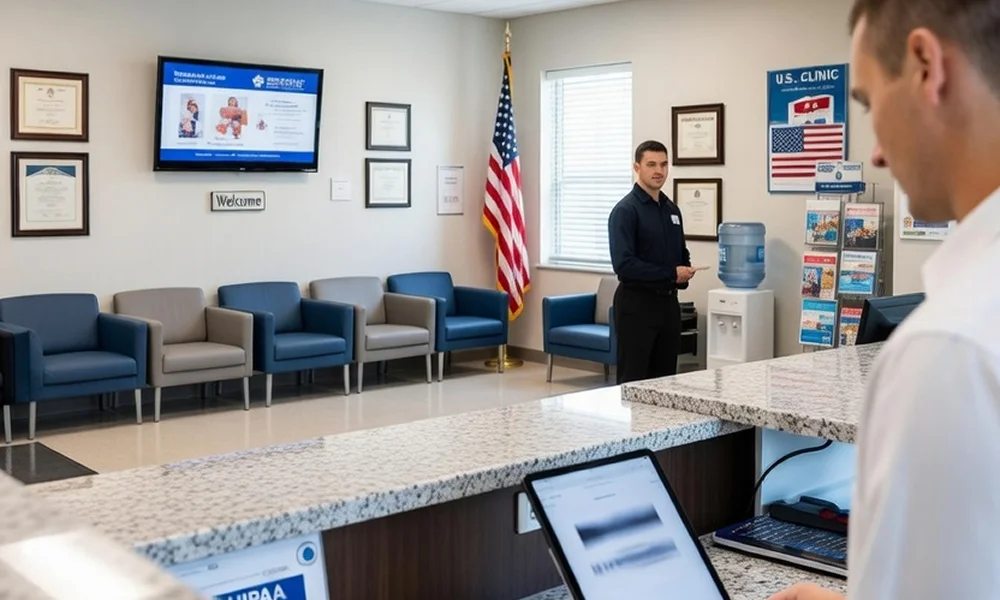
The world is moving beyond paper. A digital or online survey is now the norm in many high-performing healthcare organizations.
Why Move from Paper to Digital?
Digitizing surveys brings several benefits:
- Faster feedback: Immediate response submission accelerates insight
- Higher response volume: Easy access on phones and computers encourages participation
- Automated data capture: No need for manual entry
- Real-time reporting: Dashboards and analytics update instantly
- Better patient experience: Patients can respond at their convenience
For many clinics, the transition to digital helps standardize feedback processes and turn raw data into actionable intelligence.
Best Practices for Clinic Surveys
When designing a digital survey:
- Keep it short (2–5 minutes)
- Optimize for mobile
- Use plain language
- Match the clinic’s branding and voice, offer multilingual support if needed
- Ensure accessibility for patients with disabilities
Focusing on ease and clarity increases response rates and reliability.
10 Must-Ask Patient Satisfaction Survey Questions
These questions cover the most important experience areas — access, communication, staff interactions, environment, and overall experience:
- How easy was it to schedule your appointment with our clinic?
- How satisfied are you with the time it took from scheduling to your appointment?
- How would you rate your wait time before seeing a clinician?
- Did our staff explain your condition and treatment options clearly?
- Did you feel your questions and concerns were listened to?
- How respectful and courteous were clinicians and staff during your visit?
- How satisfied are you with the level of privacy you experienced during care?
- How would you rate the cleanliness and comfort of our clinic facilities or telehealth environment?
- Overall, how satisfied are you with the care you received?
- How likely are you to recommend our clinic to friends or family, and what is one thing we could do to improve your experience?
These questions form a solid foundation for most healthcare settings and can be tailored for specialty services.
How to Improve Patient Satisfaction Survey Results

Gathering feedback is only the first step. To improve survey results, clinics must turn data into action.
Turning Feedback into Action
- Group responses by theme to identify patterns
- Prioritize recurring issues affecting patient safety or experience
- Communicate improvements back to patients and staff
- Engage staff in solutions and training based on feedback
Using Automation and Workflows
Automation can improve participation and speed up analysis:
- Automated survey delivery after appointments via SMS/email
- Reminder notifications to increase response rates
- Dashboards that visualize trends over time
- Alerts for low scores in key areas to intervene quickly
Integrating automation reduces administrative burden and gets insights to decision-makers faster.
How to Calculate Sample Size for a Patient Satisfaction Survey
To make survey data meaningful, you need an appropriate sample size.
Why Sample Size Matters
Too few responses can skew results. A representative sample ensures insights reflect broader patient sentiment, not just a vocal few.
Simple Guidance for Sample Size
- Small clinics: Aim for 30–50 responses per provider per quarter
- Larger groups: Use online sample size calculators with your total patient volume, desired confidence level, and margin of error
If calculation seems daunting, start with consistent survey invitations and monitor response rates over time.
Conclusion
Patient satisfaction surveys are one of the simplest yet most powerful tools for understanding the patient experience. A well-designed survey, whether digital, online, or paper-based, provides actionable insights that help improve care quality, strengthen reputation, and drive patient loyalty.
By asking clear questions, delivering surveys at the right time, and acting on feedback, healthcare teams can transform patient voices into meaningful improvements. Start with a short, focused survey, send it digitally after every visit, and review results monthly with your team.
Over time, this continuous feedback loop can elevate patient experience and differentiate your practice in a competitive healthcare environment.
FAQs
What is a patient satisfaction survey in healthcare?
A tool to collect patient feedback on their care experience.
What types of questions should be in a clinic survey?
Questions on scheduling, wait times, staff, communication, cleanliness, and overall satisfaction.
How often should surveys run in an outpatient practice?
After each visit or periodically for ongoing care.
What is a good response rate for an online survey?
20–30% is typical; higher if surveys are short and easy.