

In modern healthcare, clinical expertise alone is not enough. What patients often remember most about their visit is not the lab value, the imaging result, or even the prescription, it is the interaction.
Patient communication shapes how safe, respected, and understood a person feels during one of the most vulnerable moments of their life.
A technically perfect diagnosis delivered without empathy can leave a patient anxious and dissatisfied, while a thoughtful, structured conversation can build trust even in difficult circumstances.
Strong communication in patient care is consistently associated with higher engagement, better adherence to treatment plans, and improved health outcomes.
Patients who clearly understand their condition and feel heard are more likely to follow medical advice, attend follow-ups, and participate actively in decision-making. In contrast, breakdowns in communication and patient care frequently lead to confusion, complaints, and preventable errors.
This guide explores essential communication skills with patients, practical phrases clinicians can use immediately, and structured examples that strengthen every doctor and patient conversation.
Whether you work in outpatient clinics or are navigating communication in hospitals, the principles outlined here will help you communicate with patients more effectively and consistently.
Table of Contents
Why Patient Communication Matters in Healthcare

Communication and Patient Care Outcomes
Effective patient communication in healthcare is directly linked to measurable outcomes. When clinicians explain diagnoses and treatment plans clearly, patients are more likely to understand the purpose of medications, the importance of lifestyle changes, and the need for monitoring. That clarity translates into higher adherence rates and fewer avoidable complications.
Communication and patient care also intersect in shared decision-making. Rather than simply receiving instructions, patients are invited to express preferences, concerns, and values.
This collaborative approach improves satisfaction and often leads to care plans that are more realistic and sustainable. For example, a patient managing diabetes may be more consistent with dietary changes if they feel their cultural preferences and daily routines were considered during the discussion.
Poor provider patient communication, on the other hand, is one of the most common drivers of dissatisfaction and malpractice claims. Many legal disputes arise not from incorrect treatment, but from patients feeling they were not informed or not listened to. When expectations are not aligned and risks are not explained clearly, trust erodes quickly.
Communication in Patient Care and Experience
Communication in patient care significantly shapes the patient experience. Satisfaction surveys repeatedly show that patients equate listening and explanation with quality. Even if clinical care is excellent, rushed or dismissive communication can overshadow the outcome.
Communication with patient populations also influences online reviews and word-of-mouth referrals. A patient who feels respected and understood is more likely to recommend a clinic or physician. In competitive healthcare environments, this relational aspect becomes a strategic advantage.
In communication in hospitals, where patients may encounter multiple providers across shifts, clear explanations are especially important. When care feels coordinated and consistent, patients feel safer. When information changes or is unclear, anxiety increases. Thus, patient care communication is not merely about politeness, it is central to both safety and perception of quality.
Core Principles of Effective Patient Communication
Building Rapport and Trust
Trust begins within moments of entering the room. Building rapport does not require lengthy conversation; it requires presence and intention.
A simple greeting, introduction, and clarification of how the patient prefers to be addressed signals respect. Sitting at eye level instead of standing over the patient reduces perceived power distance and makes the interaction feel collaborative rather than hierarchical.
Nonverbal communication is equally powerful. Open posture, appropriate eye contact, and attentive body language communicate interest. When clinicians appear rushed or distracted, especially while typing, patients may interpret that as disinterest. Even brief small talk can help humanize the interaction and ease anxiety.
Strong patient care communication starts with this relational foundation. Without trust, even the clearest medical explanation may fail to resonate.
Assessing Needs, Concerns, and Readiness
Effective communication in patient care requires understanding the patient’s perspective before delivering information. Patients vary in their readiness to learn, emotional state, health literacy, and support systems. A newly diagnosed patient may be overwhelmed and unable to absorb detailed explanations. Another may arrive with extensive prior research and specific questions.
Assessing needs means asking about concerns early in the encounter and inviting patients to share what matters most to them. It also involves recognizing barriers such as language differences, cultural beliefs, or limited access to resources. When clinicians tailor communication and patient care approaches to these factors, understanding improves dramatically.
Understanding the patient’s perspective is not an extra step—it is the foundation for meaningful education and counseling.
Essential Communication Skills With Patients

Active Listening and Presence
Active listening is one of the most powerful communication skills with patients. It requires intentional focus. Allowing patients to speak without interruption at the start of the visit can reveal critical details that structured questioning might miss.
Research has shown that physicians frequently interrupt within seconds, unintentionally cutting off valuable information.
Presence also involves minimizing multitasking. While electronic documentation is necessary, explaining to the patient what you are doing, “I’m just entering this into your chart so we don’t miss anything,” can preserve the connection. Simple verbal cues such as “I understand” or “Tell me more” reinforce attentiveness.
Active listening strengthens doctor and patient conversation by making patients feel valued, which in turn increases openness and honesty.
Open-Ended Questions
Open-ended questions are central to communication with patient interactions. Instead of narrowing responses, they invite elaboration. Asking, “How can I help you today?” allows patients to frame the issue in their own words. Follow-up prompts such as “What else have you noticed?” or “How has this affected your daily routine?” deepen insight.
These questions are especially important in complex or chronic conditions where symptoms intersect with lifestyle, mental health, and family responsibilities. Open-ended dialogue enhances provider patient communication by uncovering context that structured checklists might overlook.
Reflective Statements and Empathy
Empathy transforms patient communication from transactional to relational. Reflective statements demonstrate that the clinician not only heard the words but understood the emotion behind them. Phrases like “It sounds like this has been really overwhelming” validate the patient’s experience.
Acknowledging emotion often reduces defensiveness and improves efficiency. When patients feel their concerns have been recognized, they are less likely to repeat themselves or escalate frustration. Empathy, therefore, strengthens both efficiency and trust within communication and patient care.
Clear Explanations and Teach-Back
Clarity is essential in patient communication in healthcare. Medical jargon can easily confuse patients, even those with high education levels. Using plain language, analogies, and structured explanations helps patients grasp complex information.
The teach-back method is particularly effective. By asking patients to explain the plan in their own words, clinicians confirm understanding without appearing condescending. For example: “Just so I know I explained it clearly, can you tell me how you’ll take this medication?”
This approach improves safety, reduces misunderstandings, and enhances overall patient care communication.
Structuring an Effective Doctor–Patient Interaction

Beginning the Encounter
A structured beginning sets the tone for the entire visit. Taking a brief pause before entering allows clinicians to reset mentally. Once inside, greeting the patient warmly and introducing oneself clearly establishes professionalism and approachability.
Acknowledging delays, if present, also matters. A simple statement such as “Thank you for waiting” demonstrates respect. These early moments define how to communicate with patients effectively and influence the emotional trajectory of the encounter.
Establishing a Shared Agenda
One of the most efficient tools in communication in patient care is agenda-setting. Early in the visit, inviting patients to share all concerns prevents last-minute additions that extend appointments unexpectedly. Asking, “What are the main things you’d like to address today?” creates transparency.
Collaboratively prioritizing concerns helps manage time while respecting patient priorities. Shared agendas enhance both satisfaction and workflow efficiency, strengthening provider patient communication overall.
Explaining, Planning, and Closing
Clear planning and structured closing improve outcomes. Summarizing the diagnosis and next steps ensures alignment. Inviting feedback, “How does this plan sound to you?” encourages collaboration.
Ending with “What questions do you have?” instead of “Do you have any questions?” fosters dialogue. This subtle shift significantly enhances communication with patient populations by signaling openness.
Communication in Hospitals and Challenging Settings
Communication in Hospitals and Inpatient Care
Communication in hospitals presents unique challenges due to rotating teams, complex care plans, and high stress. Patients may see multiple physicians and nurses within a short period. Consistency in messaging is critical for trust and safety.
Bedside explanations of daily plans, introductions of team members, and clear handoffs reduce confusion. Involving families or caregivers when appropriate ensures continuity of understanding. Effective communication in patient care within hospital settings directly impacts safety outcomes and satisfaction.
Communicating With Patients in Difficult Situations
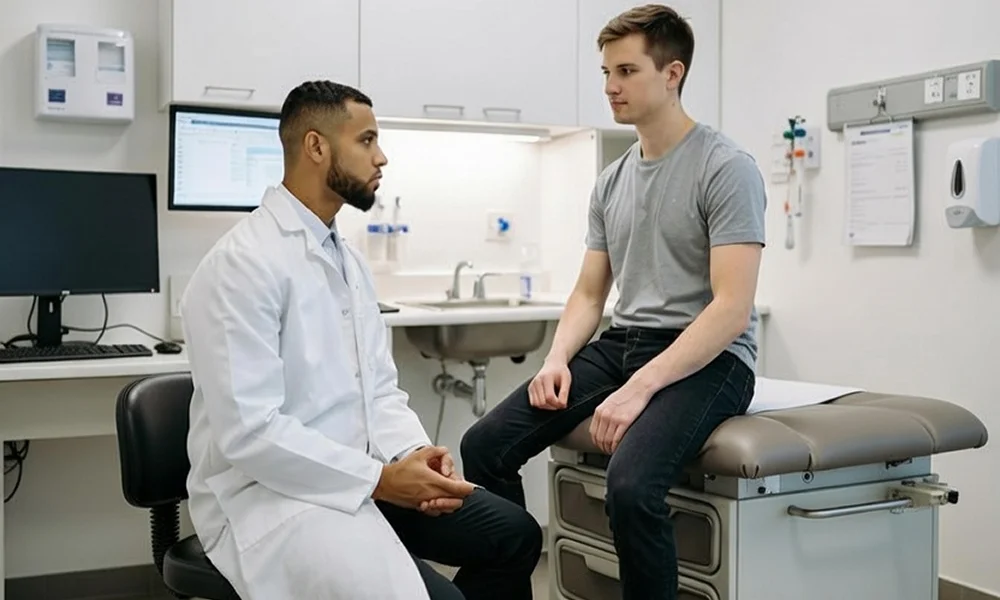
Difficult conversations, such as delivering bad news or addressing anger, require calm, structured communication. Staying present and allowing silence when needed demonstrates respect. Validating emotion before offering solutions prevents escalation.
Avoiding defensive language and focusing on next steps preserves dignity. Even in emotionally charged moments, strong communication and patient care practices maintain trust.
Practical Tips to Improve Patient Communication Today
Small Changes With High Impact
Improving patient communication does not require dramatic workflow changes. Allowing uninterrupted opening narratives, making brief personal connections, and summarizing plans consistently can transform visits.
Small behavioral shifts, repeated consistently, strengthen communication skills with patients and build long-term trust.
Adapting to Health Literacy and Cultural Needs
Health literacy varies widely. Assessing comprehension gently and adapting explanations improves outcomes. Visual aids, translated materials, and simplified instructions enhance communication in patient care for diverse populations.
Cultural sensitivity also matters. Understanding beliefs about illness and treatment ensures that communication and patient care strategies align with patient values.
Examples of Good and Poor Patient Communication
Ineffective Interaction Example
A clinician enters hurriedly, focuses on the computer, interrupts the patient, and provides rapid instructions filled with medical jargon. No empathy is expressed. No summary is provided. The patient leaves confused and uncertain.
Days later, medication is taken incorrectly, and dissatisfaction grows. This breakdown illustrates how weak provider patient communication affects both perception and clinical results.
Improved Interaction Using Key Skills
In contrast, a clinician who greets the patient warmly, listens without interruption, reflects concerns, sets a shared agenda, and explains the plan clearly creates a different outcome. The patient leaves informed and reassured.
The clinical content may be identical, but the experience and adherence improve dramatically. Effective communication with patient interactions changes both emotional and medical outcomes.
Improving Patient Communication Over Time

Personal Reflection and Feedback
Improving patient communication requires ongoing reflection. Reviewing patient comments and asking colleagues for feedback can highlight blind spots. Self-awareness strengthens communication and patient care skills over time.
Training, Role-Play, and Simulation
Workshops and simulation exercises allow clinicians to practice challenging scenarios safely. Role-play builds confidence in empathy, clarity, and de-escalation.
Rather than attempting to master every skill at once, clinicians should focus on integrating one new behavior at a time into daily practice.
Conclusion
Communicating with patients effectively is fundamental to safe, high-quality healthcare. Strong patient communication improves understanding, adherence, satisfaction, and trust across all settings, from clinics to hospitals.
By consistently practicing active listening, open-ended questions, empathy, clear explanations, and structured closing techniques, clinicians can transform provider patient communication and strengthen every encounter.
FAQs
What are the 5 fundamentals of patient communication?
The five fundamentals of patient communication are active listening, showing empathy, using clear and simple language, involving patients in shared decision-making, and confirming understanding through teach-back. These core principles ensure patients feel heard, informed, and engaged in their care.
What are common patient communication mistakes?
Common mistakes include interrupting too quickly, rushing the visit, using complex medical terminology, ignoring emotional cues, and failing to confirm patient understanding before closing the encounter.
How can I improve patient communication quickly in my clinic?
You can improve quickly by letting patients finish their opening concern, using at least one empathetic statement per visit, explaining information in plain language, summarizing the plan before closing, and applying the teach-back method to confirm understanding.
How does better communication affect patient care and outcomes?
Better communication improves understanding, trust, treatment adherence, and patient satisfaction, which ultimately leads to safer care and better clinical outcomes.