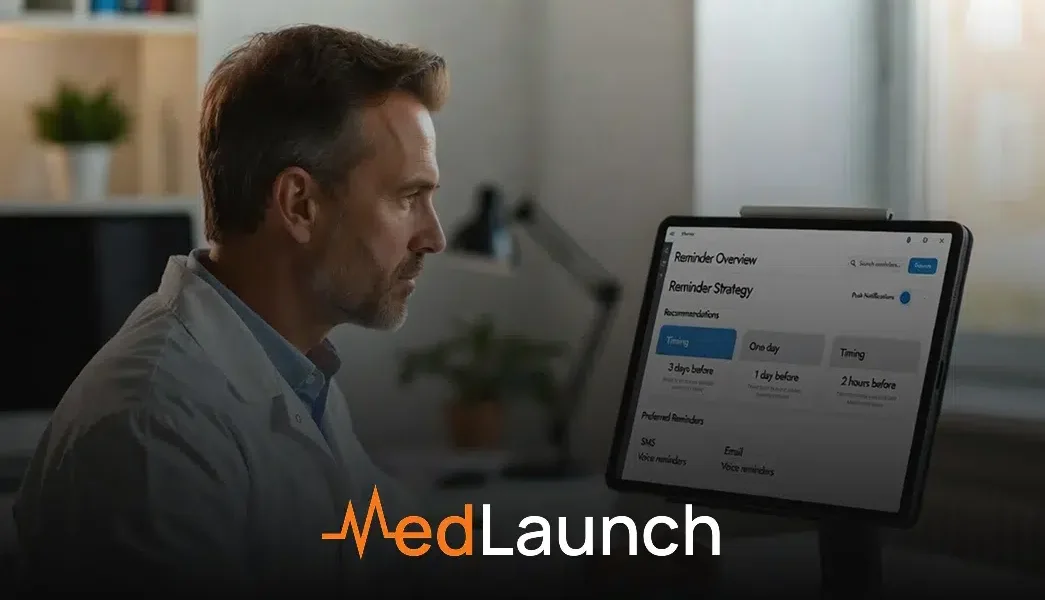


A patient visits your clinic, receives quality care, and leaves satisfied. Months pass. A follow-up never happens, not because it wasn’t needed, but because it was forgotten.
This is how patient relationships fade in healthcare, not through dissatisfaction, but through silence. Patient reactivation exists to bridge that gap by re-engaging past patients and bringing them back into care at the right time.
Patient reactivation is not about aggressive marketing or pressure. It is about thoughtful outreach, understanding why patients disengage, and making it easy and comfortable for them to return when they are ready.
For clinics seeking steady growth, predictable revenue, and stronger patient relationships, reactivation is a strategy that deserves serious attention.
Table of Contents
What Is Patient Reactivation?
Patient reactivation refers to the process of identifying inactive patients and encouraging them to re-engage with a clinic’s services.
In healthcare, inactivity may mean a patient has not scheduled a follow-up, missed routine care, or stopped visiting altogether despite ongoing health needs.
Unlike new patient acquisition, reactivation starts from an existing relationship. The patient already knows your clinic, has experienced your care, and likely still associates your brand with trust. This existing familiarity is what makes reactivation both effective and efficient when done correctly.
Why Patient Reactivation Matters More Than Ever?
Reactivation is also commonly referred to as dormant patient recovery, as it focuses on reconnecting with patients who have quietly disengaged rather than formally left the clinic.
Reactivating existing patients is one of the most cost-effective growth strategies available to clinics. The marketing spend required to reach a new patient is significantly higher than the effort needed to reconnect with someone already in your database.
Reactivated patients also tend to book faster, follow care plans more closely, and show higher long-term value. Beyond revenue, reactivation plays a critical role in patient health outcomes.
Missed follow-ups, delayed screenings, and gaps in care can lead to avoidable complications. When clinics proactively reach out, they not only support business growth but also improve continuity of care and patient well-being.
According to case studies, reactivation campaigns report conversion rates around 15–20% of targeted inactive patients booking again, which is considered “extremely successful” compared with many cold-acquisition funnels.
Why Patients Become Inactive?

Patients rarely leave a clinic for a single reason. In most cases, inactivity happens gradually and unintentionally. Common reasons include long wait times, difficulty booking appointments, changes in insurance, relocation, or simply forgetting to schedule follow-up care.
Patient flow issues, such as bottlenecks in scheduling or inefficient workflows, can also contribute to patient frustration and disengagement.
Some patients feel better temporarily and assume further visits are unnecessary. Others may have had a neutral experience and found it easier to delay returning than to actively switch providers.
Importantly, inactivity does not mean dissatisfaction. Many patients fully intend to return but need a reminder, reassurance, or a more convenient option. Recognizing this helps clinics approach reactivation with empathy rather than assumption.
Patient Reactivation vs. Patient Retention

While the two are closely related, patient reactivation and patient retention serve different purposes. Retention focuses on keeping currently active patients engaged and satisfied. Reactivation addresses patients who have already fallen out of regular care.
Retention is ongoing and highly active, while reactivation is corrective and strategic. Clinics that succeed long-term understand that both are necessary. Strong retention reduces future reactivation needs, and effective reactivation recovers lost opportunities that would otherwise remain unnoticed.
Key Components of an Effective Patient Reactivation Strategy
1. Identifying the Right Patients
Not all inactive patients should be approached the same way. Effective patient re-engagement strategies start with segmentation by last-visit date, care type, and health needs. Someone who missed a routine check-up requires different messaging than a patient who stopped treatment midway.
2. Timing and Relevance
Outreach works best when it feels timely and relevant. A reminder for an overdue annual exam or a seasonal health check feels helpful rather than intrusive. Random or frequent messages without purpose often lead to disengagement.
3. Personalized Communication
Patients respond to communication that acknowledges their history. Using their name, referencing prior visits, or noting a missed follow-up signals care and attention. Personalization builds trust and shows patients they are more than a number in a system.
4. Removing Barriers to Return
Reactivation fails when the original obstacles remain. If booking was difficult before, simplify scheduling. If long waits were an issue, highlight improved availability. Successful reactivation often depends more on operational improvements than marketing language.
How MedLaunch Supports Patient Reactivation for Clinics
Reactivating inactive patients requires more than reminders. It depends on timing, relevance, and making it easy for patients to return without friction.
MedLaunch supports clinics by addressing operational gaps that often prevent successful reactivation.
MedLaunch helps clinics identify inactive patients using visit history, care type, and follow-up needs, enabling outreach to focus on those most likely to re-engage. This strengthens patient flow solutions by streamlining appointment scheduling and minimizing gaps in care.
Instead of generic messages, clinics can prioritize meaningful communication tied to overdue care, missed follow-ups, or routine visits.
Outreach is supported through automated yet personalized communication, including calls, texts, and reminders that feel helpful rather than intrusive.
This reduces staff workload while ensuring patients are contacted consistently and at appropriate times. For clinics struggling with no-shows or unanswered calls, MedLaunch’s AI-powered patient scheduling solution streamlines appointment booking and follow-up, eliminating common barriers that prevent patients from returning.
Communication Channels That Support Reactivation
Clinics can use a mix of phone calls, text messages, emails, and patient portals to reconnect with inactive patients. The most effective channel depends on patient preference and urgency. Phone calls work well for high-priority follow-ups, while SMS and email are effective for reminders and routine care prompts.
Regardless of the channel, tone matters. Messages should be supportive, respectful, and informative. Patients should feel invited, not pressured.
The Role of Technology in Patient Reactivation

Technology has transformed how clinics manage reactivation efforts. Modern systems allow clinics to track inactivity, automate reminders, and schedule outreach without overwhelming staff.
Healthcare IT solutions like AI-powered calling tools, automated messaging, and integrated scheduling reduce manual workload while maintaining consistency.
Patient portals also play an important role by giving patients easy access to appointments, records, and communication. When technology is used thoughtfully, it enhances convenience without removing the human element that healthcare requires.
Measuring Patient Reactivation Success
Reactivation should be measured just like any other growth initiative. Key indicators include rebooking rates, response rates, time to appointment, and revenue recovered from inactive patients. Monitoring these metrics helps clinics refine outreach timing, messaging, and channel selection.
Just as important is patient feedback. Understanding why patients returned and what nearly kept them away provides valuable insight for both reactivation and retention strategies.
Building a Sustainable Reactivation Process

A well-defined patient reactivation workflow helps clinics move from identification to outreach, scheduling, and follow-up without relying on ad-hoc efforts.
Rather than treating reactivation as a one-time push, clinics benefit from running a well-planned reactivation campaign that includes regular reviews of inactive patient lists, consistent outreach schedules, and ongoing optimization based on patient responses.
Clinics that embed reactivation into daily operations create a healthier balance between new patient acquisition and existing patient engagement. This approach leads to steadier growth, stronger relationships, and improved patient outcomes over time.
Conclusion
Patient reactivation is one of the most underutilized strategies in healthcare growth, yet it delivers measurable results when executed with care and intention. By understanding why patients disengage, communicating thoughtfully, and removing barriers to return, clinics can reconnect with patients who already trust them.
More importantly, reactivation supports better care continuity. When patients return for follow-ups, screenings, and preventive visits, everyone benefits.
For clinics looking to grow responsibly while keeping patient care at the center, patient reactivation is not just a marketing tactic. It is a commitment to long-term health and trust.
FAQs
How is reactivation different from recall?
Recall usually targets patients who are due for routine follow‑ups, whereas reactivation focuses on patients who have missed recommended visits and have effectively “gone dormant.”
How often should we run reactivation campaigns?
Reactivation works best as an ongoing, rolling process—weekly or monthly—rather than a one‑time blast, so gaps in the schedule are continuously filled.
Which KPIs should we track for reactivation?
Key metrics include reactivation rate (patients booked/targeted), revenue from reactivated patients, show rate, cost per reactivated patient, and impact on overall schedule utilization.
How do we stay compliant with privacy and consent rules?
Confirm that contact methods align with patient communication consents, honor opt‑out requests, secure PHI, and follow all relevant health privacy and marketing regulations in your country.
How long before we see results from reactivation?
Many practices see an uptick in booked appointments within weeks, but the strongest impact comes when campaigns are run continuously and refined over several months.