

Key Takeaways: Patient Lifecycle Management
-
1The patient lifecycle is not a single visit:
From first online search through discharge, follow-up, recall, and reactivation, every stage influences the next. Gaps in one stage cascade into poor outcomes, reduced retention, and lost revenue downstream. -
2Most practices still operate in silos and patients feel it:
When scheduling, clinical care, billing, and communication teams operate independently, patients experience fragmented care. Lifecycle management replaces silos with a coordinated continuum that patients can feel and trust. -
3The discharge and follow-up stage is where most practices lose patients:
Patients who leave without clear next steps, scheduled follow-ups, or written instructions are at high risk of dropping out of care entirely. Structured discharge protocols turn episodic visits into ongoing relationships. -
4Recall and reactivation are the most underutilized revenue levers in healthcare:
Patients who completed care and went inactive are the easiest and cheapest group to bring back. Proactive recall for preventive care, chronic disease monitoring, and annual wellness visits builds both retention and revenue without any new patient acquisition cost. -
5Lifecycle management requires ownership, not just awareness:
Mapping the patient journey is not enough. Each stage needs a named owner, someone accountable for onboarding, discharge follow-up, recall, and reactivation. Without clear ownership, critical handoffs fall through the cracks. -
6Technology makes lifecycle management scalable without increasing headcount:
Automated intake, digital recall reminders, structured follow-up sequences, and smart scheduling prompts allow practices to manage the full patient lifecycle consistently, across multiple providers and locations.
The patient lifecycle refers to the complete journey a patient takes with a healthcare organization, from initial awareness and first contact to ongoing care, retention, and long-term engagement. It is not limited to a single appointment or episode of care.
Instead, it encompasses every interaction, clinical decision, administrative process, and communication touchpoint that shapes the patient care journey over time.
In modern medical practices, managing isolated visits is no longer sufficient. Patients move through multiple stages of the patient lifecycle, including discovery, scheduling, intake, active treatment, discharge, follow-up, recall, and reactivation. Each stage influences the next, and gaps in one part of the journey can cascade into poor outcomes or operational inefficiency.
Patient lifecycle management is both a patient experience framework and an operational strategy. When done correctly, it affects everything from clinical quality to scheduling efficiency, preventive compliance, revenue stability, and long-term retention.
Practices that approach care through a lifecycle lens ensure continuity instead of episodic interactions, which is increasingly essential for group practices, multispecialty clinics, and value-based care models. By considering the entire patient care journey, clinics can create meaningful experiences while improving operational performance.
Table of Contents
What Is the Patient Lifecycle in Healthcare?

The patient lifecycle in healthcare is the structured management of every stage in the patient journey. Unlike traditional approaches that focus on isolated visits, lifecycle management considers the patient’s experience from first awareness through long-term engagement. It includes pre-visit preparation, active care during appointments, discharge planning, follow-ups, preventive care, and eventual reactivation of inactive patients.
Lifecycle management recognizes that patients are not merely transactions, they are ongoing relationships that require careful orchestration. Each interaction, whether administrative or clinical, contributes to overall satisfaction and trust. A patient who experiences a smooth intake, timely follow-ups, and clear instructions at discharge is far more likely to adhere to treatment, attend preventive appointments, and remain loyal to the practice.
Why Lifecycle Thinking Matters in Modern Practices
Many medical practices still operate in silos, with separate teams handling scheduling, clinical care, billing, and patient communication. Without coordination across the patient experience lifecycle, gaps appear, leading to missed opportunities and patient dissatisfaction. Fragmented care can result in patients dropping out of care, failing to follow preventive recommendations, or seeking alternative providers.
Integrating care through a lifecycle approach addresses these challenges by emphasizing continuity and integrated patient care. Practices that adopt lifecycle thinking can systematically identify weak points, standardize workflows, and maintain visibility across all patient journey stages. This ensures patients move seamlessly from one stage to the next, improving both outcomes and operational performance.
The Key Patient Lifecycle Stages in Medical Practices
Understanding the major patient lifecycle stages helps practices pinpoint areas where improvements can have the greatest impact. Each stage has its own unique operational and clinical challenges that directly affect patient experience, adherence, and retention.
Stage 1 – Awareness and Access

The patient journey begins before the first appointment, often with online searches, social media exploration, referrals, or word-of-mouth recommendations. At this stage, patients evaluate the practice’s accessibility, reputation, and convenience. Websites, online reviews, phone interactions, and appointment availability serve as early indicators of organizational reliability.
Barriers to access, such as unclear navigation, long hold times, limited appointment slots, or confusing insurance policies, can significantly reduce conversion. When potential patients encounter friction during this stage, they may never enter the lifecycle, resulting in lost opportunities. By improving access and visibility, practices can maximize first-visit conversions and lay the foundation for long-term engagement.
Stage 2 – New Patient Onboarding
Once a patient schedules their first visit, onboarding becomes critical. The new patient onboarding process sets expectations, establishes trust, and ensures operational efficiency. Effective onboarding includes digital registration forms, insurance verification, and medical history collection. Patients should receive clear instructions about what to bring, what to expect during their visit, and how follow-ups will be handled.
Proper patient intake management reduces delays, improves documentation accuracy, and prevents billing issues. It also signals professionalism and reliability, enhancing the first impression. Practices that fail to standardize onboarding often face longer check-in times, incomplete records, and frustrated patients. By creating a structured process for intake, staff can focus on patient care rather than administrative corrections, while patients feel confident and informed.
Stage 3 – Active Care and Visit Experience
The active care stage represents the core of the patient’s clinical experience. Patients evaluate their interaction with providers, the clarity of instructions, and the overall efficiency of their visit. Clinical interactions, communication, documentation, and visit flow all contribute to patient perception and trust.
Operational inefficiencies such as delayed rooming, unclear documentation, or inconsistent communication can create dissatisfaction, even if clinical care is excellent. On the other hand, well-structured visits that emphasize clarity, empathy, and efficiency strengthen patient trust and adherence. Consistency is especially important in group practices with multiple providers, as variability in experience can erode confidence. By standardizing workflows and aligning staff across patient lifecycle stages, practices can improve both patient satisfaction and clinical outcomes.
Stage 4 – Patient Discharge and Follow-Up
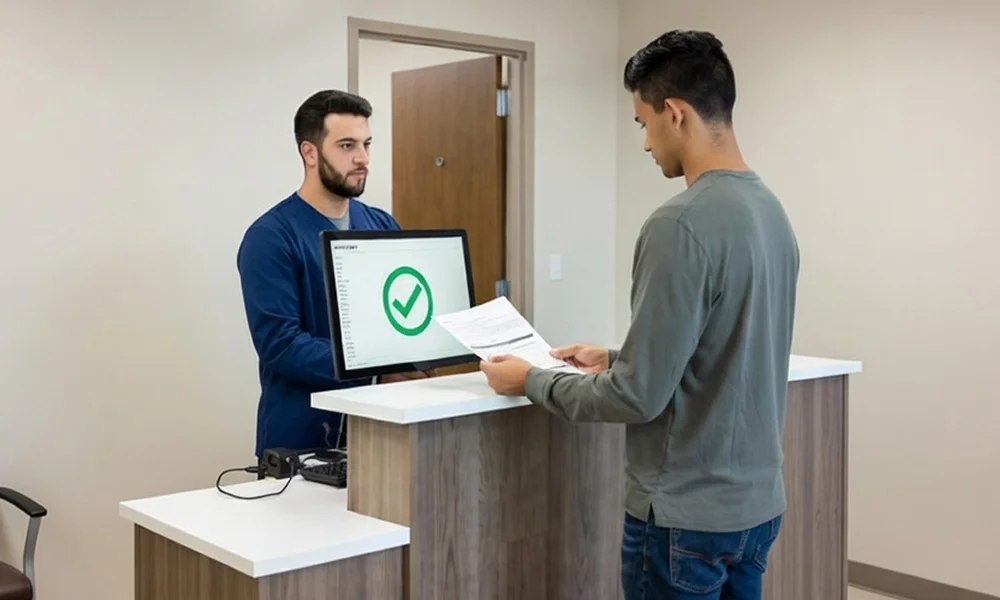
The patient discharge follow up stage is critical for reinforcing care instructions and preventing drop-offs. Discharge planning should clearly outline next steps, including medication guidance, lab coordination, and future appointments. Patients often leave visits uncertain about follow-up timing or care instructions, which can lead to missed appointments, non-compliance, or readmissions.
Structured discharge protocols ensure that every patient leaves the clinic with a clear plan. Scheduling follow-ups before departure, providing written instructions, and offering reminders for preventive care strengthen adherence and reduce risk. This stage is a key determinant of retention and patient loyalty. Well-managed discharge and follow-up practices turn episodic care into a continuous, trust-based relationship.
Stage 5 – Recall, Retention, and Long-Term Engagement
Long-term engagement ensures patients remain active within the healthcare system. Patient recall management includes preventive care reminders, chronic disease monitoring, annual wellness visits, and reactivation campaigns for inactive patients.
Lifecycle optimization at this stage increases patient retention, continuity of care, and lifetime value. Practices that proactively reach out for preventive or chronic care appointments strengthen patient trust and adherence.
Patients who feel supported and informed are more likely to return consistently, follow treatment plans, and recommend the practice to others. By integrating recall systems and ongoing engagement strategies, clinics maintain predictable patient volumes while improving health outcomes.
Why Patient Lifecycle Management Is Critical for Group Practices
Group practices face additional complexity because multiple providers and locations can introduce variability into the patient experience. Without structured lifecycle management, inconsistencies emerge that affect patient satisfaction, retention, and revenue.
Revenue and Retention Impact
Missed follow-ups and poorly executed discharge processes reduce revenue while lowering retention. Patients who experience fragmented care may seek services elsewhere, creating both financial loss and reputational risk.
Effective patient lifecycle optimization ensures that every touchpoint, from intake to recall, contributes to patient retention and predictable revenue streams.
Operational Efficiency Impact
Structured lifecycle management enhances operational efficiency. By reducing no-shows, improving scheduling predictability, and ensuring proper panel management, practices can better allocate resources and staff time. Workflow standardization across intake, visits, discharge, and recall minimizes administrative rework and ensures that each stage of the patient journey contributes to smooth operations.
Quality and Value-Based Care Impact

Patient lifecycle management also supports care quality and compliance with value-based care initiatives. By closing care gaps, monitoring chronic diseases, and ensuring preventive screening compliance, practices can demonstrate measurable outcomes and improve population health.
This alignment between operational workflow and clinical quality strengthens trust and positions practices for reimbursement models that reward preventive care and chronic disease management.
Common Breakdowns in the Patient Lifecycle
Even high-performing practices can experience breakdowns in their lifecycle processes. These often include incomplete intake, unverified insurance, missed discharge follow-ups, lack of recall systems, poor communication between visits, and absence of reactivation outreach. Individually, these gaps may seem minor, but collectively they create measurable revenue and clinical impact.
For example, missed intake information delays care, a weak recall system reduces preventive compliance, and lack of follow-up scheduling diminishes retention. Identifying these breakdowns allows practices to target improvements and strengthen weak points in the patient experience lifecycle.
Building a Patient Lifecycle Strategy
Developing a patient lifecycle strategy requires intentional planning rather than ad-hoc fixes.
Step 1 – Map the Current Patient Journey
Documenting each patient journey stage is the first step. Identify drop-offs, manual bottlenecks, and communication gaps. Understanding how patients move through awareness, onboarding, active care, discharge, follow-up, and recall highlights areas for improvement.
Step 2 – Define Ownership at Each Stage

Assigning accountability ensures that each stage has clear oversight. Determine who manages onboarding, discharge follow-up, recall, and reactivation. Clear ownership reduces errors and ensures that no stage is neglected, creating a cohesive patient experience.
Step 3 – Standardize Workflows
Standardization improves consistency across providers and locations. Develop intake SOPs, discharge protocols, follow-up checklists, and recall rules. Embedding lifecycle management into scheduling and communication workflows ensures that patients move seamlessly through the system.
Step 4 – Introduce Lifecycle Optimization
Lifecycle optimization uses data to strengthen weak points. Metrics such as first visit conversion rates, follow-up completion rates, recall response rates, and preventive care adherence reveal areas that need attention. Practices can then target improvements strategically, ensuring that the entire patient lifecycle is efficient, reliable, and patient-centered.
Technology’s Role in Patient Lifecycle Management
Modern technology enables practices to automate and standardize lifecycle workflows without increasing administrative burden.
Automation in Intake and Onboarding
Digital forms, online scheduling, eligibility verification, and automated reminders improve intake efficiency. Patients complete forms before visits, reducing check-in delays and increasing accuracy. This strengthens the patient experience lifecycle while freeing staff for direct patient care.
Automated Recall and Follow-Up Systems
Automation supports preventive care, chronic disease monitoring, and patient reactivation. Smart scheduling prompts and targeted outreach ensure patients remain engaged and compliant. Technology enables consistent management of the full lifecycle across providers and locations, reinforcing integrated patient care.
Patient Lifecycle Management vs Traditional Patient Engagement
Traditional patient engagement emphasizes communication, satisfaction, and interaction quality. While important, engagement is only one aspect of the broader lifecycle.
Lifecycle management integrates operational workflows, clinical care, scheduling, recall, and reactivation. Engagement without lifecycle management can leave gaps in care continuity and patient adherence. Conversely, a well-structured lifecycle ensures that all touchpoints contribute to retention, revenue, and clinical outcomes, making care both patient-centered and efficient.
Conclusion
The patient lifecycle extends far beyond individual visits. It represents the complete journey from awareness to long-term retention. Managing this lifecycle requires structured workflows, clear ownership, operational visibility, and integrated communication.
Modern practices must shift from reactive, visit-based care to a comprehensive patient lifecycle strategy. Structured management of intake, active care, patient discharge follow-up, and recall strengthens continuity, improves outcomes, and stabilizes revenue.
Patient lifecycle management is not a marketing initiative; it is a clinical and operational strategy that enhances integrated patient care, quality compliance, and patient satisfaction.
By prioritizing lifecycle optimization and leveraging technology to support consistent workflows, practices can ensure a superior patient experience lifecycle that benefits both patients and providers.
Frequently Asked Questions
What is the patient lifecycle in healthcare?
The patient lifecycle is the complete continuum of a patient’s relationship with a healthcare practice from first awareness and scheduling through active care, discharge, follow-up, recall, and long-term retention. Unlike a single appointment, lifecycle management considers every stage and ensures each one flows seamlessly into the next.
What are the stages of the patient lifecycle?
The five core stages are: awareness and access, new patient onboarding, active care and visit experience, discharge and follow-up, and recall and long-term retention. Each stage has distinct operational requirements, and gaps in any one stage directly affect the stages that follow.
Why is patient lifecycle management important for clinics?
Because episodic, visit-based care creates gaps, missed follow-ups, lapsed preventive care, inactive patients who never return. Lifecycle management replaces fragmented interactions with a coordinated continuum that improves clinical outcomes, increases retention, stabilizes revenue, and builds the long-term trust that drives referrals.
What is the most common breakdown in the patient lifecycle?
The discharge and follow-up stage is where most practices lose patients. Patients who leave without clear next steps, a scheduled follow-up, or written instructions are at high risk of disengaging from care entirely. Structured discharge protocols and automated follow-up reminders are the most direct fix.
How can clinics improve patient recall management?
Use automated recall systems that send targeted reminders for preventive care, chronic disease monitoring, and annual wellness visits based on each patient’s care history. Identify inactive patients and run reactivation campaigns with personalized outreach. Recall is the most cost-effective patient retention tool available. These patients already know and trust your practice.
How is patient lifecycle management different from patient engagement?
Patient engagement focuses on communication quality and interaction satisfaction. Patient lifecycle management is broader; it integrates scheduling workflows, intake processes, clinical care, discharge planning, recall systems, and reactivation campaigns into a single coordinated strategy. Engagement without lifecycle structure leaves care gaps; lifecycle management ensures every touchpoint contributes to continuity and retention.
Ready to Manage the Full Patient Lifecycle?
Book a call to see how MedLaunch helps practices build a complete patient lifecycle system, from automated intake and scheduling to follow-up, recall, and reactivation.