


When healthcare leaders ask, “What is Patient Access?” they are not just referring to appointment scheduling. They are addressing one of the most critical foundations of modern healthcare delivery.
The patient access meaning has evolved significantly over the past decade. It is no longer limited to front-desk registration or answering phone calls.
Today, patient access in healthcare represents the complete ability of individuals to find, obtain, navigate, and use healthcare services effectively. It connects patient experience, health equity, operational performance, and financial outcomes.
Healthcare organizations now recognize the importance of patient access in healthcare because it directly impacts clinical quality, revenue cycle stability, and patient trust. If patients cannot easily access care, even the best clinical teams and advanced technologies cannot deliver optimal outcomes.
In simple terms, patient access determines whether patients can receive the right care at the right time without unnecessary barriers. It is both a patient-centered responsibility and a strategic operational priority.
Table of Contents
What Is Patient Access in Healthcare?

The most practical patient access definition in healthcare is:
Patient access is the ability of patients to obtain, navigate, and use healthcare services, information, and financial support when they need them.
When people search for “What is Patient Access”, they are often looking for clarity. In everyday language, patient access means removing obstacles that prevent patients from receiving timely care. These obstacles may include scheduling delays, insurance complications, transportation issues, language barriers, or digital limitations.
Patient access begins before the first clinical encounter. It includes how easily patients can book appointments, verify insurance coverage, complete registration, understand costs, communicate with providers, and follow up after visits. It is an end-to-end journey rather than a single transaction.
Understanding the patient access meaning requires recognizing that it influences every stage of care, from initial outreach to long-term disease management.
Key Dimensions of Patient Access
Patient access in healthcare is multidimensional. Several key areas shape how accessible a health system truly is.
Physical or locational access refers to the ability to physically reach care. This includes distance to providers, transportation availability, clinic hours, and geographic distribution of services.
In rural communities, long travel times may limit access. In urban settings, traffic congestion and overcrowded facilities can create different but equally significant challenges.
Financial access addresses affordability and coverage. Patients must understand whether a provider is in-network, what their out-of-pocket costs may be, and whether prior authorization is required. Without financial clarity, many individuals delay or avoid care.
Operational access includes appointment availability, scheduling efficiency, wait times, and call center responsiveness. Long hold times and weeks-long appointment backlogs are common indicators of operational barriers.
Informational and digital access has become increasingly important. Patients expect to schedule appointments online, view test results through portals, receive reminders via text, and communicate with providers electronically. Digital tools now shape much of the patient experience.
Equity and inclusivity are also essential dimensions. Language services, disability accommodations, culturally sensitive communication, and health literacy support ensure that access works for diverse populations. True patient access must be equitable, not just efficient.
Why Patient Access Matters: From Outcomes to Operations

The importance of patient access in healthcare extends across clinical, experiential, and financial domains.
Impact on Patient Health Outcomes
Timely access to care is directly tied to health outcomes. When patients experience delays, chronic conditions may worsen, preventive screenings may be missed, and early symptoms may go untreated. Over time, this leads to higher complication rates and avoidable hospitalizations.
For example, patients with diabetes who cannot obtain regular follow-up visits may experience poor glucose control, increasing the risk of long-term complications. Similarly, delays in specialist referrals can result in late diagnoses that might have been prevented with earlier intervention.
This is a primary reason why patient access is important. Access is not just about convenience; it is about protecting health and preventing unnecessary suffering.
Impact on Patient Experience and Trust
Patient access often forms the first impression of a healthcare organization. If scheduling is difficult, phone wait times are excessive, or billing processes are confusing, trust can erode before clinical care begins.
Conversely, when patients experience seamless scheduling, clear communication, and transparent financial information, satisfaction increases. The benefits of patient access in this context include improved loyalty, higher retention, and stronger community reputation.
In competitive healthcare markets, ease of access can significantly influence patient choice.
Impact on Revenue, Utilization, and Efficiency
Patient access and front-end revenue cycle processes are closely linked. Accurate registration, insurance verification, and prior authorization help prevent claim denials and revenue delays.
Efficient access workflows increase appointment fill rates and reduce no-shows. They also improve payer mix capture and reduce leakage to competing providers. For hospitals and health systems, the patient access process in hospitals influences throughput, bed management, and resource allocation.
In short, strong access operations support both patient care and financial sustainability.
Core Components of Patient Access in a Modern Health System
The patient access process in hospitals and clinics includes several core components that work together to create a smooth patient journey.
Scheduling and Appointment Availability
Scheduling is the gateway to care. Modern health systems offer multiple scheduling channels, including phone booking, online self-scheduling, portal appointments, and walk-in services where appropriate.
Advanced access models, such as same-day appointment slots and extended evening hours, improve responsiveness. When scheduling capacity aligns with patient demand, access improves significantly.
Registration, Eligibility, and Financial Clearance

Registration captures essential demographic and insurance information. Eligibility verification ensures coverage accuracy, while financial clearance addresses prior authorization and cost estimates.
This stage plays a central role in the patient access and front-end revenue cycle. Accurate front-end processes reduce billing errors, prevent claim denials, and enhance patient confidence in cost transparency.
Communication and Information Access
Clear communication is essential throughout the care journey. Patient portals allow individuals to access records, view lab results, and message providers securely. Appointment reminders via text or email reduce missed visits.
Telehealth platforms extend communication beyond physical visits, enabling virtual consultations and remote follow-up care. These tools enhance convenience and accessibility.
Navigation and Care Coordination
Healthcare systems can be complex. Patients often require support navigating referrals, diagnostic testing, and specialty appointments. Effective navigation ensures that patients move seamlessly between services.
Coordinated referrals, discharge planning, and proactive follow-up scheduling are examples of strong patient access workflows and best practices that prevent gaps in care.
Examples of Good vs Poor Patient Access
Examining examples of patient access in healthcare helps clarify what effective access looks like in practice.
Good Patient Access: What “Easy to Use” Looks Like
In a well-designed primary care clinic, patients can book appointments online at any time. Phone calls are answered promptly, and available time slots are clearly displayed. Automated reminders reduce no-shows, and cost estimates are provided before the visit.
A specialty practice may coordinate referrals electronically, send digital intake forms in advance, and schedule follow-up appointments before patients leave the clinic. Clear instructions reduce confusion and improve adherence.
These scenarios demonstrate patient access strategies for hospitals and clinics that prioritize simplicity, transparency, and coordination.
Poor Patient Access: Common Failure Scenarios
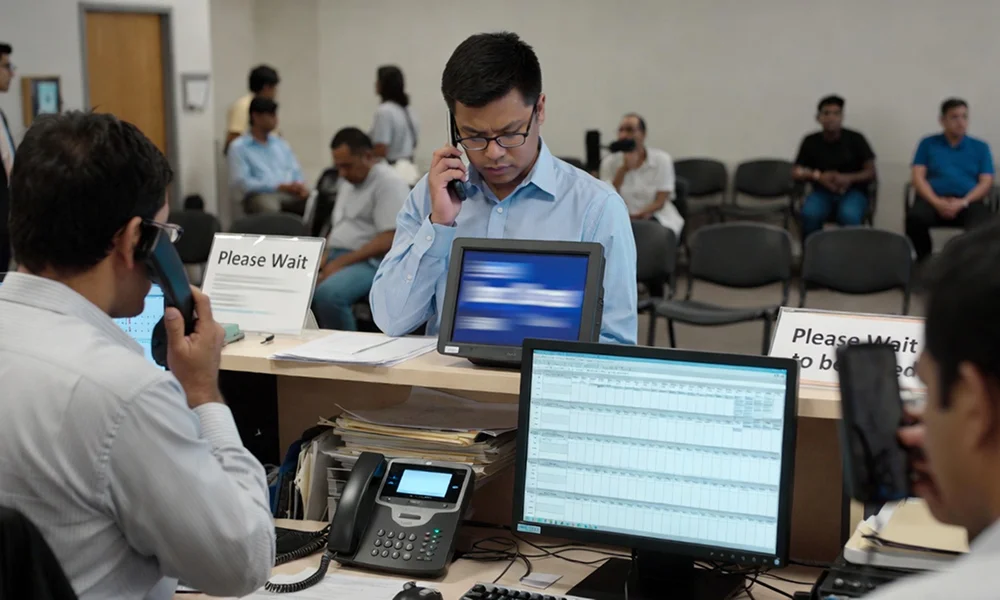
Poor access often involves long phone hold times, limited appointment availability, and lack of digital scheduling options. Patients may face weeks-long delays for routine visits. Language services may be insufficient, and billing processes may be unclear.
Such barriers create frustration and may cause patients to seek care elsewhere. These challenges in patient access are common but avoidable with thoughtful redesign.
Rural vs Urban Patient Access Challenges
Rural communities frequently face provider shortages and long travel distances. Broadband limitations may restrict telehealth adoption. Urban systems, while provider-rich, may struggle with high patient volumes and operational bottlenecks.
Both environments require tailored patient access strategies for hospitals that reflect local needs and resources.
Barriers to Patient Access in Healthcare
Despite progress, numerous challenges in patient access remain.
Structural barriers include uneven provider distribution and insurance network limitations. Operational barriers may involve inefficient scheduling systems and outdated workflows.
Financial barriers, such as high deductibles and complex prior authorization requirements, discourage timely care. Language and literacy barriers hinder communication, while digital gaps exclude patients without reliable internet access or technology skills.
Recognizing and addressing these barriers is essential for improving patient access in healthcare.
Patient Access Roles and Teams (Patient Access Department)
What Is a Patient Access Department?
A Patient Access Department typically manages scheduling, registration, eligibility verification, and call center operations. It serves as the front end of both the clinical journey and the revenue cycle.
What Does a Patient Access Representative Do?
A patient access representative collects demographic information, verifies insurance, explains financial responsibilities, and guides patients through administrative processes. They often serve as the first point of contact and set the tone for the patient experience.
Skills and Tools That Enable Strong Patient Access

Effective patient access teams require strong communication skills, cultural competence, empathy, and technical knowledge of electronic health record systems. Continuous training and performance monitoring support consistent service quality.
How Technology Is Transforming Patient Access
Technology plays a central role in modern patient access workflows and best practices.
Patient Portals, Online Scheduling, and Digital Front Door
Patient portals enable self-scheduling, record access, prescription refills, and secure messaging. These tools create a convenient digital front door that meets patient expectations.
Telehealth and Virtual Care as Access Extenders
Telehealth expands access for patients with mobility challenges or geographic barriers. Video and phone visits increase flexibility and reduce travel burdens.
Call Centers, AI, and Automation for Access
Centralized patient access centers, intelligent call routing, and automated reminders improve efficiency. AI-driven tools can assist with appointment booking and proactive outreach, reducing manual workload.
Data and Analytics for Access Improvement
Monitoring metrics such as appointment lag, call abandonment rates, and no-show trends helps organizations identify bottlenecks. Data-driven decision-making supports continuous improvement.
Measuring Patient Access: Key Metrics and KPIs
Operational metrics include time to third next available appointment, call answer rates, and referral-to-visit lag. Financial metrics include visit volumes, payer mix, and leakage rates. Patient-reported measures capture satisfaction with scheduling and communication.
Together, these indicators provide a comprehensive view of access performance.
Strategies to Improve Patient Access in Healthcare
Organizations that want to close the gap between good intentions and measurable outcomes need more than general principles. Each strategy below includes a concrete tactic, a real-world example, and the metric you should track to know it’s working.
Strategy 1: Implement Advanced Access Scheduling
What it is: Advanced access scheduling — sometimes called open access or same-day scheduling — reserves a portion of each day’s appointment slots for same-day or next-day bookings rather than pre-filling them weeks in advance. The core principle is simple: match today’s supply to today’s demand instead of allowing a backlog to accumulate.
Why it matters: The traditional “book out” model creates a compounding problem. The longer the wait, the more patients call back, reschedule, or give up — which generates cancellations that fill future slots with uncertain demand. Advanced access breaks this cycle.
Tactic to implement: Audit your current appointment template and identify how many slots are held for follow-ups versus new patients versus same-day needs.
Begin by designating 15–20% of each provider’s daily slots as protected same-day availability. Use your EHR’s scheduling rules to enforce this. Expand the percentage once your backlog clears.
Real-world example: A family medicine practice in Virginia piloted open access scheduling across three physicians. Within 90 days, their third-next-available appointment dropped from 18 days to 3 days, and no-show rates fell by 23% because patients could be seen when the care was actually relevant to them.
Metric to track: Third Next Available Appointment (TNA) — the industry standard proxy for true scheduling access. Target: under 7 days for primary care, under 14 days for most specialties.
Strategy 2: Deploy Online Self-Scheduling Across All Entry Points
What it is: Giving patients the ability to schedule, reschedule, and cancel appointments through a web or mobile interface — without requiring a phone call — at any time of day.
Why it matters: Over 60% of appointment booking attempts now happen outside business hours. If your only scheduling channel is a phone line open 8am–5pm, you are structurally blocking the majority of patient intent moments. Every patient who cannot self-schedule is a potential no-show, a leak to a competitor, or a call that ties up front-desk staff.
Tactic to implement: Audit every patient touchpoint where scheduling happens — your website, Google Business Profile, reminder texts, post-visit summaries — and ensure each one contains a direct, functional scheduling link.
Do not route patients to a contact form or a phone number. Integrate self-scheduling directly with your EHR so slots are real-time and confirmations are automatic. Start with new patient appointments and follow-ups, then expand to urgent care and specialist referrals.
Real-world example: A multi-location orthopedic group added online self-scheduling to their Google listing and website chat widget. Within six months, 38% of new patient appointments were booked without any staff involvement, saving an estimated 11 hours of front-desk time per week per location.
Metric to track: Percentage of appointments booked digitally (without staff intervention). Industry benchmark to target: 30–50% of total appointment volume.
Strategy 3: Automate Insurance Eligibility Verification Before Every Visit
What it is: Running real-time eligibility checks against payer databases automatically — ideally 48–72 hours before each scheduled appointment — rather than verifying manually at check-in or after the fact.
Why it matters: Insurance errors at the front end are the single largest driver of claim denials. When a patient arrives with lapsed coverage, incorrect plan details, or an authorization gap, the revenue impact is felt weeks later and is expensive to correct. Beyond billing, patients who are surprised by unexpected costs at check-in often delay or abandon care.
Tactic to implement: Configure your practice management system or a third-party eligibility tool (Change Healthcare, Availity, Waystar) to run automated batch eligibility checks nightly for the next 3 days of appointments.
Build a workflow where any failed or uncertain eligibility check triggers a patient outreach call the following morning. Document co-pay amounts and coverage details in the patient record so front-desk staff can quote accurate costs at check-in.
Real-world example: A cardiology practice processing roughly 400 visits per month implemented automated eligibility verification through their EHR’s built-in clearinghouse integration. Their front-end denial rate dropped from 14% to under 4% within a quarter, and patient complaints about unexpected billing fell by half.
Metric to track: Front-end denial rate (denials caused by eligibility, authorization, or demographic errors as a percentage of total claims). Target: below 5%.
Strategy 4: Reduce No-Shows with Multi-Touch, Channel-Appropriate Reminders
What it is: A structured reminder sequence that contacts patients at multiple points before their appointment — using the channel they actually respond to — rather than a single automated call the day before.
Why it matters: The average no-show rate in US healthcare sits between 15–30%. Each missed appointment represents lost revenue, wasted clinical capacity, and a patient whose care need went unmet. A single reminder, particularly a robocall, is no longer sufficient.
Patients expect text messages, respond to personalization, and want a frictionless way to confirm or reschedule without calling a phone number.
Tactic to implement: Build a three-touch reminder sequence: (1) a confirmation message immediately after booking with a calendar link, (2) a reminder 72 hours before the appointment with a one-tap confirm/reschedule option, and (3) a same-day reminder the morning of the visit.
Allow patients to set their preferred channel — text, email, or phone — during registration. For high-no-show appointment types (behavioral health, new patient consultations), add a human outreach call at the 72-hour mark.
Real-world example: A behavioral health group replaced their single day-before voicemail with a three-step text-based reminder sequence. No-show rates fell from 28% to 14% over four months. Because the reminder included a reschedule link, they also recovered previously lost slots — rescheduled appointments filled 60% of openings created by cancellations.
Metric to track: No-show rate by appointment type and provider. Target: below 10% for primary care, below 15% for behavioral health and high-demand specialties.
Strategy 5: Expand Access Through Strategic Telehealth Deployment
What it is: Embedding telehealth not as a pandemic-era workaround but as a deliberate access channel for specific appointment types — follow-ups, medication management, chronic disease check-ins, and behavioral health — where virtual care is clinically appropriate and patient-preferred.
Why it matters: Telehealth eliminates transportation, scheduling, and time-off barriers in a single step. For patients managing chronic conditions who need regular touchpoints, requiring an in-person visit every time creates unnecessary friction and inflates no-show rates. For rural patients, telehealth may be the only realistic access pathway.
Tactic to implement: Identify your top five highest-volume appointment types and assess which are clinically appropriate for virtual care. Build explicit telehealth scheduling pathways in your EHR — do not simply convert in-person slots but create dedicated virtual visit templates with appropriate durations.
Train clinical staff on virtual intake workflows and ensure that technical support is available for patients who struggle with the platform. Promote telehealth availability clearly on your website, patient portal, and in discharge instructions.
Real-world example: A primary care practice serving a largely elderly, rural population piloted telehealth for diabetes management follow-ups. Visit completion rates for that appointment type rose from 71% to 89%, and average HbA1c values improved across the patient cohort over 12 months — attributed partly to more frequent, lower-friction touchpoints.
Metric to track: Telehealth utilization rate as a percentage of eligible visit types, and visit completion rate for telehealth versus in-person equivalents. Target: completion rate parity or better vs. in-person for the same appointment type.
Strategy 6: Build a Multilingual, Low-Literacy Communication Layer
What it is: Systematically adapting patient-facing communications — scheduling confirmations, intake forms, cost estimates, discharge instructions — for patients who speak languages other than English or who have limited health literacy.
Why it matters: Language and literacy barriers are access barriers. A patient who cannot understand their appointment confirmation or navigate a registration form will not show up prepared — or may not show up at all. Title VI of the Civil Rights Act requires meaningful language access for federally funded providers, yet many practices still rely on ad hoc interpretation rather than structured systems.
Tactic to implement: Start by analyzing your patient population’s top five languages using ZIP code demographics and your own registration data. Translate core patient communications — booking confirmations, intake forms, financial assistance notices — into those languages first. Use plain language standards (6th-grade reading level) for all written communications regardless of language.
Integrate a professional telephonic or video interpreter service for clinical encounters, and train front-desk staff on when and how to engage it. Consider adding a language preference field to your patient intake form if you have not already.
Real-world example: A federally qualified health center serving a predominantly Spanish-speaking community standardized Spanish-language appointment reminders and intake forms through their patient engagement platform.
Patient-reported satisfaction with communication rose 18 points on their CAHPS survey, and appointment preparation accuracy (patients arriving with correct documents and insurance information) improved by 31%.
Metric to track: Language concordance rate (percentage of patients whose preferred language is documented and honored in communications) and CAHPS communication scores segmented by language group.
Strategy 7: Use Patient Feedback to Identify and Remove Friction Points Continuously
What it is: Creating a closed-loop system where patient-reported access complaints — through surveys, reviews, call recordings, and portal messages — are systematically reviewed, triaged, and acted on by a defined owner on a regular cadence.
Why it matters: Access problems are often invisible to operations leaders until they become crises. A scheduling workflow that works on paper may contain a friction point that patients consistently abandon — but no one on the clinical side ever sees it. Structured feedback collection surfaces these gaps before they become attrition.
Tactic to implement: Deploy a brief post-visit survey (3–5 questions, SMS-delivered within 2 hours of the visit) that includes at least one question specifically about the scheduling and access experience — not just clinical care.
Route access-related negative responses (any score below 7/10) to your patient access manager within 24 hours for individual follow-up. In monthly operations meetings, review aggregated access feedback themes alongside your TNA, no-show, and denial metrics. Assign each identified friction point to an owner and a resolution date.
Real-world example: A multi-specialty group began routing low-scoring post-visit survey responses to their access coordinator for same-week review. Within two months, they identified that one provider’s scheduling template had a recurring 4-week gap caused by a misconfigured EHR block — something that had been invisible in aggregate scheduling reports but showed up repeatedly in patient comments about long waits. Fixing it recovered an estimated 40 appointments per month.
Metric to track: Access-specific patient satisfaction score (track separately from overall satisfaction), plus response rate on post-visit surveys. Target: access satisfaction score of 85% or above; survey response rate of 20% or higher.
Conclusion
Understanding what is Patient Access means recognizing that it extends far beyond appointment booking. It encompasses the complete ability of patients to reach, navigate, and benefit from healthcare services.
The patient access definition in healthcare includes physical, financial, operational, digital, and equity dimensions. The importance of patient access in healthcare lies in its direct influence on health outcomes, patient trust, operational efficiency, and financial performance.
Organizations that prioritize improving patient access build stronger relationships with patients, reduce avoidable utilization, and create more sustainable systems. Ultimately, patient access is not just an administrative function. It is a strategic driver of quality, equity, and long-term success in modern healthcare.
FAQs
What is the difference between patient access and access to healthcare?
Patient access refers to the processes and systems that help patients schedule, register, and navigate care, while access to healthcare is a broader concept that includes the availability and affordability of services themselves.
What does a patient access representative do in a hospital?
They handle registration, insurance verification, financial counseling, appointment scheduling, and guide patients through the hospital system.
How does patient access affect healthcare outcomes?
Better access ensures timely care, preventive services, and follow-ups, which reduce complications, improve chronic disease management, and enhance overall health outcomes.
What are the most common barriers to patient access today?
Long wait times, limited appointment availability, high costs, insurance issues, language or literacy barriers, and digital/technology gaps.
How can small clinics improve patient access with limited resources?
Use online scheduling, streamline registration, offer flexible hours, send reminders, leverage telehealth, and focus on clear communication and patient guidance.