


Key Takeaways
-
1Reputation alone won’t grow your practice: without active acquisition strategies, even the best clinics lose new patients to competitors who market more effectively.
-
2No-Show Costs: No-shows cost the U.S. healthcare system about $150 billion annually. Automated reminders and easy rescheduling can significantly reduce missed visits.
-
3Denial Management: With denial rates around 10–15%, accurate coding, timely claims, and denial management are critical for healthy cash flow.
-
4Specialty Specifics: Each specialty has different revenue drivers, so focusing on practice-specific strategies improves financial results.
-
5Reminder Automation: Automation for reminders, insurance checks, and claims reduces errors, saves staff time, and captures more billable services.
Struggling to bring new patients through your doors despite offering care with perfection? You’re not alone. A strong reputation by itself doesn’t drive growth, it’s a set of patient acquisition strategies that most healthcare providers fail to notice.
Patient acquisition is the foundation of any thriving healthcare practice. Clinics of all sizes must attract new patients to ensure growth, financial sustainability, and long-term relevance.
Today, patients research providers online, read reviews, and compare options before booking care, making patient acquisition marketing an essential tool for modern healthcare providers.
With the rise of digital channels, clinics that rely solely on traditional marketing may miss valuable opportunities. By adopting cost-effective patient acquisition strategies, practices can reach more patients more efficiently, improve conversion rates, and enhance their reputation.
In this blog, we’ll explore 7 effective healthcare patient acquisition strategies, including digital patient acquisition, experience-driven approaches, and actionable steps clinics can implement immediately to attract, convert, and retain more patients.
Table of Contents
What is Patient Acquisition?
Patient acquisition refers to the process by which healthcare providers attract new patients to their practice. Patient acquisition for clinics focuses on building strategies that help medical practices consistently bring in new patients while maintaining trust and credibility.
Unlike general marketing or customer acquisition in other industries, patient acquisition focuses on the unique needs and expectations of patients seeking medical care. Factors such as trust, convenience, reputation, and quality of care heavily influence a patient’s decision to choose one clinic over another.
A crucial aspect of patient acquisition is understanding that patients are not just consumers, they are individuals seeking guidance, empathy, and reliable healthcare services. Decisions are often driven by convenience (appointment availability and location), the quality of care, and the clinic’s perceived credibility.
Why Patient Acquisition Matters for Clinics?
In today’s digital age, a strong online presence is essential for clinics. Patients increasingly rely on online reviews, testimonials, and social media interactions before deciding on a healthcare provider.
In fact, 84% of patients visit online review sites to evaluate healthcare providers, and 73% consider these reviews a critical factor when choosing a new provider.
Effective patient acquisition strategies directly influence both short-term revenue and long-term growth. Clinics that implement strong referral and digital marketing strategies experience up to 30% faster patient growth compared to those relying solely on traditional outreach methods.
One case study showed that a targeted referral program led to a 30% increase in OPD visits within six months, significantly boosting both revenue and patient satisfaction.
Additionally, healthcare marketing stats reveal that the average cost for acquiring a healthcare lead is around USD 286, underscoring the importance of having efficient acquisition strategies to maintain profitability.
By recognizing these factors and adjusting your approach accordingly, clinics can design a patient acquisition strategy that not only attracts new patients but also encourages loyalty and word-of-mouth referrals, creating a cycle of sustainable growth and improved patient outcomes.
7 Most Effective Patient Acquisition Strategies
These proven strategies help healthcare practices attract new patients, improve visibility, and convert interest into booked appointments.
Strategy 1: Increase Online Presence and SEO
A professional, optimized online presence is a foundation of patient acquisition marketing. Patients increasingly turn to Google, social media, and AI search engines, such as Google’s AI overview and ChatGPT, to find clinics that meet their needs. A strong online footprint makes your practice easily discoverable and conveys credibility and trust.
Website Essentials:
Your clinic’s website should be modern, mobile-friendly, and informative. Include essential details such as services offered, physician profiles, operating hours, and contact information. Incorporate easy navigation and online appointment booking to enhance patient convenience.
Local SEO:
Optimizing for local search helps ensure your clinic appears in search results for keywords such as “primary care physician near me” or “urgent care in New York.” Claim your Google Business Profile, include accurate location details, and encourage satisfied patients to leave their name, address, and phone number. Also, ensure your practice is listed in local healthcare directories.
Showcasing Patient Experiences:
Patient testimonials, case studies, and success stories enhance trust and credibility. Highlighting these on your website and social platforms demonstrates transparency and reinforces the quality of care you provide.
Actionable Checklist for Optimization:
- Verify your clinic’s name, address, and phone number across all platforms.
- Include relevant keywords in website content and metadata.
- Add structured data markup for local search.
- Collect and display patient reviews.
- Regularly update blog content with health tips and clinic news.
By prioritizing digital patient acquisition, clinics can significantly increase visibility, attract local patients, and establish their brand as a trusted healthcare provider. This foundation sets the stage for more advanced marketing strategies, such as social media engagement and paid advertising campaigns.
Strategy 2: Leverage Social Media Marketing

Social media is a powerful tool for healthcare patient acquisition strategies. Platforms like Facebook, Instagram, LinkedIn, and TikTok allow clinics to engage directly with current and prospective patients, educate them on health topics, and build a loyal community.
Content Types:
Share health tips, preventive care information, behind-the-scenes glimpses of your clinic, and patient success stories (with consent). Live Q&A sessions or webinars allow patients to interact directly with healthcare professionals, building trust and credibility.
Consistency Matters:
Regular posting helps maintain engagement and visibility. Create a content calendar to ensure a mix of educational, promotional, and interactive content. Respond promptly to comments and messages to foster community engagement.
By leveraging social media effectively, clinics can reach broader audiences, increase appointment bookings, and enhance patient trust, making it an essential component of patient acquisition marketing.
Strategy 3: Improve Patient Experience and Retention
Attracting new patients is important, but long-term growth depends heavily on retention and a consistently positive patient experience.
Attracting new patients is important, but long-term growth depends heavily on retention and a consistently positive patient experience.
Patients who feel respected, understood, and well cared for are more likely to return and recommend your clinic, creating a sustainable and cost-effective patient acquisition cycle.
Simplifying appointment booking through online portals or AI-powered scheduling systems reduces friction and helps minimize waiting times by keeping visits organized and on schedule.
Patient flow solutions play a critical role here by optimizing the entire patient journey, ensuring seamless transitions from one step to the next, reducing bottlenecks, and improving overall patient satisfaction.
Clinics that actively collect patient feedback through surveys and reviews gain valuable insights into satisfaction levels and service gaps, enabling meaningful improvements. Acting on this feedback reinforces trust and signals a genuine commitment to care quality.
Satisfied patients naturally become ambassadors, generating referrals that contribute directly to cost-effective patient acquisition.
By prioritizing the patient experience in every interaction, clinics build loyalty, increase positive reviews, and create a strong foundation for ongoing growth, while making new patient acquisition easier over time.
Strategy 4: Implement Referral Programs
Referral programs leverage word-of-mouth marketing, a highly effective strategy in healthcare. Patients trust recommendations from family and friends more than traditional advertising.
Structured Incentives:
Offer incentives to patients or partner businesses for referring new patients. Examples include discounts on services, loyalty programs, or complimentary health check-ups. Ensure the program is easy to understand and track.
Partnership Referrals:
Collaborate with local gyms, pharmacies, or wellness centers to create cross-promotional opportunities. This expands your reach while providing additional value to patients.
Tracking Effectiveness:
Monitor which referrals generate new patients to ensure the program delivers measurable results. Digital tracking through online portals or CRM systems can make this process seamless.
Referral programs not only attract new patients but also reinforce relationships with existing ones. These satisfied patients become your ambassadors, and clinics can achieve sustainable growth through patient-access strategies that rely on trust and community engagement.
Strategy 5: Utilize Paid Advertising Strategically
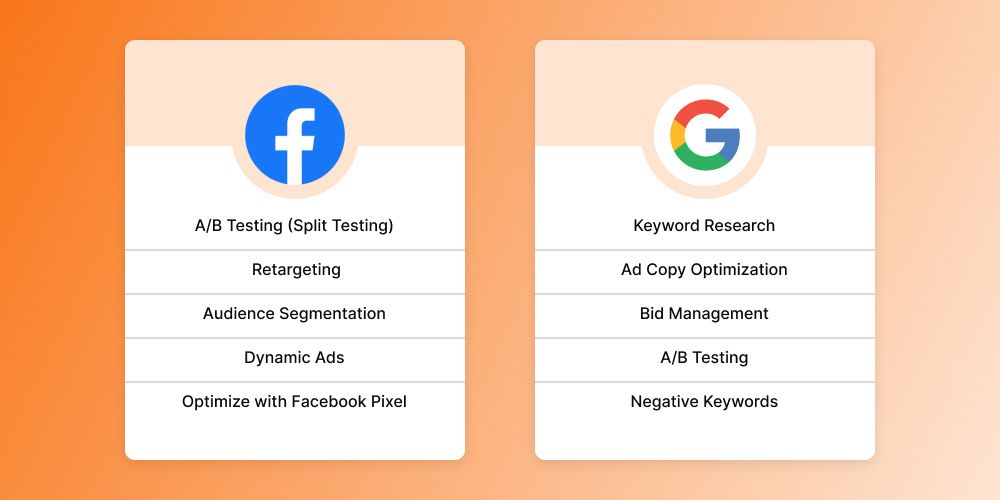
Paid advertising can accelerate patient acquisition marketing efforts when done strategically. Platforms like Google Ads help capture local search traffic, while Facebook Ads allow targeted engagement based on demographics and interests.
Retargeting Campaigns:
Retarget visitors who have explored your website but didn’t book an appointment. Retargeting reinforces your clinic’s visibility and increases conversion rates.
ROI Tracking:
Track conversions, cost per acquisition, and click-through rates to ensure advertising spend is effective. Adjust messaging, targeting, and bidding strategies based on performance.
Messaging Tips:
Focus on patient benefits, such as convenience, quality care, and special services. Highlight unique offerings like telehealth, same-day appointments, or preventive screenings.
Paid advertising, when combined with strong SEO and social media efforts, provides a comprehensive approach to attracting new patients and increasing both awareness and appointment bookings.
Strategy 6: Build Strategic Partnerships
Strategic partnerships help clinics expand their patient base without heavy marketing costs. Collaborating with other healthcare specialists, such as cardiologists, dermatologists, or physiotherapists, allows for coordinated care, cross-referrals, and shared health programs, increasing patient trust and clinic visibility within the medical community.
Joint efforts, such as co-branded workshops, fitness programs, and health screening events, help raise awareness and encourage referrals from engaged audiences. These collaborations expand reach, strengthen credibility, and create cost-effective patient acquisition channels that complement other marketing efforts.
Strategy 7: Adopt Technology
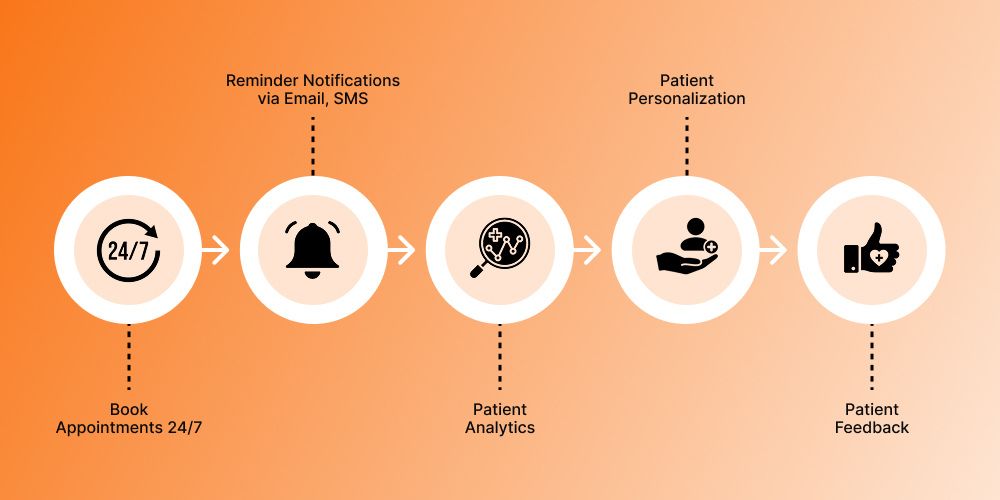
Technology and telehealth solutions strengthen digital patient acquisition by making care more accessible, convenient, and efficient. Telemedicine enables remote consultations, removing barriers like travel time and scheduling conflicts.
AI-powered tools, including AI Appointment Setters, AI Patient Scheduling, and AI Medical Receptionists, automate bookings, send reminders, and handle patient inquiries 24/7.
This reduces patient flow issues such as no-shows, scheduling delays, long wait times, front-desk overload, missed follow-ups, and workflow inefficiencies, while ensuring patients are guided seamlessly from inquiry to consultation.
Secure patient portals allow patients to access medical records, communicate with providers, and manage appointments in one place, improving engagement and continuity of care. By combining telehealth with AI-driven automation, clinics enhance convenience, increase patient satisfaction, and position themselves as modern.
Conclusion
Attracting and retaining patients is key to a successful healthcare practice. Strategies like improving online presence, leveraging social media, enhancing patient experience, building partnerships, and adopting telehealth and AI scheduling help clinics reach more patients and build trust.
Each clinic is unique, so combining multiple strategies and tracking metrics like growth rate, referrals, online reviews, and appointment conversions is essential for consistent results.
Modern patients value convenience and technology. Tools like telehealth, AI-powered scheduling, and secure patient portals ensure smooth experiences from first contact to follow-up care.
Positive experiences drive retention and referrals. Referral programs, partnerships with other providers, and personalized communication reinforce trust and attract new patients.
Executing these strategies effectively requires guidance and continuous improvement. MedLaunch helps healthcare practices increase patient acquisition through marketing expertise, technology solutions, and patient experience optimization. Clinics benefit from improved visibility, targeted advertising, AI scheduling, and actionable insights for measurable growth.
FAQs
What Is Patient Acquisition in Healthcare?
Patient acquisition in healthcare is the process of attracting and converting new patients to a medical practice or healthcare provider. It includes marketing activities such as digital advertising, SEO, referrals, and community outreach that encourage people to book their first appointment.
What Is the Average Patient Acquisition Cost for a Medical Practice?
The average patient acquisition cost for a medical practice typically ranges from $150 to $300 per new patient, depending on the specialty, location, and marketing channels used. Competitive specialties or paid advertising campaigns can increase this cost.
What Is the Most Effective Patient Acquisition Strategy for a Clinic?
The most effective patient acquisition strategies usually combine local SEO, online reviews, referral programs, and targeted digital advertising. These channels help clinics reach patients actively searching for care while building trust through recommendations and positive feedback.
How Do You Measure Patient Acquisition Success?
Patient acquisition success is measured using metrics such as new patient volume, patient acquisition cost (PAC), appointment conversion rate, marketing ROI, and website-to-appointment conversions. These indicators show how effectively marketing efforts bring in new patients.
What Is a Good Patient Acquisition Rate for a Medical Practice?
A good patient acquisition rate varies by specialty, but many practices aim for 10–20% growth in new patients annually. Higher-performing clinics may exceed this by combining strong marketing with positive patient experiences.
What Is a Patient Acquisition Funnel?
A patient acquisition funnel describes the steps a potential patient takes before booking an appointment. It typically includes awareness (finding the clinic), consideration (reading reviews or visiting the website), and conversion (scheduling an appointment).
How Does Patient Experience Affect Acquisition?
Patient experience affects acquisition because satisfied patients leave positive reviews and recommend providers to others. Good experiences improve reputation, which helps attract more new patients through word-of-mouth and online search.