
Key Takeaways
-
1Poor Patient Flow: It’s an operational, not demand, issue. Small inefficiencies in scheduling, triage, and communication cause congestion, even with manageable patient volumes.
-
2Triage Drives Everything: The initial patient prioritization affects clinician assignment, room allocation, and staff workload; poor triage creates delays that no downstream fixes can fully resolve.
-
3Smart Triage Needs Integration: Triage works best when linked with scheduling, staffing, and room management, turning information into action for smoother patient flow.
-
4Pre-Visit Information Accelerates Flow: Capturing medical history, symptoms, and consent ahead of time eliminates intake delays, streamlining check-in and consultations.
-
5Real-Time Visibility Matters: Clinics lacking real-time dashboards for room availability and staff workload are forced into reactive management, whereas visibility enables proactive intervention.
Group practice (GP) clinics everywhere face the same daily challenges: crowded waiting areas, long patient wait times, overworked staff, and schedules that constantly run behind. Even clinics that are not technically “overbooked” often feel overwhelmed.
Patients wait longer than expected, clinicians feel rushed, and front-desk teams spend their day managing frustration instead of supporting care.
These challenges are often blamed on high patient demand or poor scheduling. However, the root cause is usually inefficient patient flow management, which can be greatly improved with modern healthcare IT solutions. When patient flow is disrupted, even well-staffed clinics experience congestion, delays, and staff burnout.
To optimize patient flow, it’s important to view this as an operational challenge, not just a scheduling issue. It reflects how patients move through the clinic, how information is shared, and how clinical and non-clinical resources are coordinated.
Without a structured approach, small inefficiencies compound into major workflow bottlenecks that slow care delivery flow, frustrate staff, and negatively impact the patient experience.
One of the most powerful tools for improving patient flow is smart triage systems. These systems allow clinics to capture relevant patient information early, prioritize care effectively, and align scheduling, staffing, and space with actual patient needs.
When used properly, smart triage combined with modern patient flow solutions forms the foundation for streamlined patient flow, faster patient movement, and a more balanced clinic environment.
Moreover, patient flow management is not only about efficiency, it also directly affects clinic growth. Clinics with strong patient flow strategies can handle increased patient volume without compromising care quality or adding stress to staff.
In GP clinics that serve diverse populations with complex needs, managing patient flow strategically ensures both safety and operational sustainability. It helps optimize patient flow and resources to prevent clinics from being overwhelmed by increasing patient demand.
What Is Patient Flow?
Patient flow is the term used to describe the end-to-end journey a patient takes through a healthcare facility, from the moment they seek care to the completion of their visit and follow-up. It is not a single step but a connected sequence of activities that determines how efficiently a clinic operates.
In many GP clinics, patient flow becomes fragmented because scheduling, triage, room management, and staffing are treated as separate functions. This disconnected approach leads to inefficiencies, delays, and unpredictable visit flow, issues that can be significantly reduced by implementing modern healthcare automation solutions to streamline workflows and automate routine tasks.
Key stages of patient flow include:
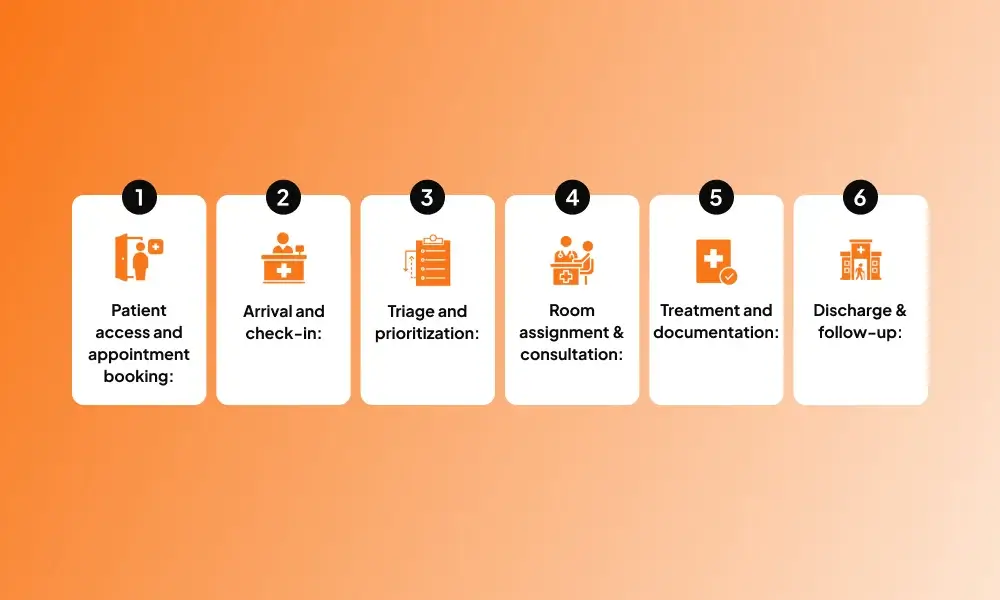
- Patient access and appointment booking: How easily can patients schedule appointments? Online booking systems, automated reminders, and an AI medical receptionist improve patient access, streamline appointment management, and reduce no-shows.
- Arrival and check-in: How quickly can staff process patients and collect necessary information? Streamlined check-in reduces waiting times and prevents congestion.
- Triage and prioritization: How are patients categorized based on urgency and complexity? Correct prioritization ensures that urgent cases are seen promptly.
- Room assignment and consultation: Are patients directed efficiently to the right clinician and room? Optimized room allocation supports faster patient flow.
- Treatment and documentation: Is care delivered and recorded efficiently? Integration with workflow management tools enhances staff productivity.
- Discharge and follow-up: Are instructions and next steps communicated clearly? Proper discharge planning reduces repeat calls and enhances patient satisfaction.
When any of these stages slows down, the entire system suffers. Effective patient flow optimization ensures these stages are aligned, creating streamlined patient flow, reducing unnecessary waiting, balancing staff workloads, and improving overall patient satisfaction.
Example: A patient arriving for a routine check-up may wait 20 minutes if triage, room assignment, or staffing are misaligned. In a clinic with efficient patient flow, the same patient could be checked in, triaged, and seen by the clinician in under 10 minutes, without stressing staff or disrupting other appointments.
Why Patient Flow Management Is Important?
Patient flow management directly affects clinical outcomes, operational efficiency, and patient experience. Poor flow leads to overcrowded waiting rooms, rushed consultations, frustrated staff, and delayed care, which can reduce patient retention and staff morale.
Implementing modern patient flow solutions helps clinics identify delays, optimize patient flow, and ensure patients move efficiently through every stage of their visit.
Optimizing patient flow allows clinics to:
- Improve patient access without extending clinic hours. Efficient scheduling and triage ensure patients can be seen promptly.
- Reduce congestion during peak hours, improving patient comfort and safety.
- Balance clinic load throughout the day, preventing burnout during high-demand periods.
- Enhance patient flow performance metrics, including average wait time, consultation duration, and patient satisfaction.
- Support safe, consistent care delivery by preventing bottlenecks that compromise attention to patients.
A clinic with scalable patient flow can handle increased demand without sacrificing quality of care. In contrast, clinics relying on manual, reactive processes struggle to manage even moderate growth.
Case Study: A mid-sized GP clinic introduced triage-informed scheduling and reduced average wait times from 28 minutes to 12 minutes. Staff reported lower stress levels, and patient satisfaction scores increased by 30% within three months. This shows how structured patient flow management benefits both patients and staff while improving operational efficiency.
Key Challenges in GP Clinic Patient Flow Management
Most patient flow issues originate before the patient even sees a clinician. Operational breakdowns slow patients down, overload staff, and harm the patient experience, particularly during triage and early visit stages.
Using advanced patient flow solutions helps clinics detect these slow points early, coordinate resources effectively, and keep patients moving smoothly through the visit.
1. Unclear Patient Prioritization at Entry

Without structured prioritization, urgent cases may wait alongside routine visits, creating unnecessary delays. Staff often rely on subjective judgment, which varies by experience and shift, disrupting balanced patient flow and causing patient dissatisfaction.
Example: A patient with high blood pressure requiring immediate care may be treated the same as someone coming in for a routine vaccination, delaying urgent treatment and increasing staff stress.
2. Front-Desk Congestion During Check-In
The front desk often serves as the first contact point but is frequently a bottleneck. Manual data entry, insurance verification, and incomplete forms slow check-in, delaying triage and visit flow.
Tip: Implementing online pre-registration and self-service kiosks can reduce check-in times, allowing staff to focus on patient care instead of administrative tasks.
3. Lack of Pre-Visit Information
Collecting patient information only upon arrival increases consultation times and reduces throughput. Pre-visit forms, including medical history, medications, and symptoms, help clinicians start care immediately, improving efficiency and patient flow performance.
Example: A patient with chronic conditions can have lab results and medication lists preloaded, allowing the clinician to focus on decision-making rather than data collection.
4. Poor Coordination Between Triage, Scheduling, and Rooms

Triage decisions often fail to inform scheduling or room allocation. Complex patients may be assigned short slots or unsuitable rooms, creating delays and disrupting streamlined patient flow.
Integrating AI patient scheduling ensures that appointment times and room assignments automatically align with patient needs and triage priorities, keeping the clinic running smoothly.
Tip: Integrating triage with scheduling software ensures that patient acuity informs appointment duration and room assignment.
5. Overbooking Without Flow Awareness
Overbooking is commonly used to compensate for no-shows, but doing so without awareness of real-time clinic capacity creates overcrowding, stress, and decreased patient flow performance.
Tip: Adaptive scheduling based on triage insights allows clinics to prevent congestion while prioritizing urgent cases.
6. No Real-Time Visibility Into Clinic Capacity
Without tools to monitor room availability, staff workload, and patient queues in real-time, clinics cannot proactively balance load, resulting in longer wait times and inefficient care delivery flow.
Example: A patient occupying a room while awaiting lab results may delay the next patient if staff cannot see available spaces in real time.
7. Manual, Inconsistent Triage Processes

Manual triage relies heavily on subjective judgment. While experienced staff often make good decisions, this method is inconsistent and difficult to scale. Inconsistent triage slows visit flow, creates uneven workloads, and increases the risk of errors.
What Are Smart Triage Systems?
Smart triage systems collect patient information early and prioritize care consistently. Unlike manual triage, smart triage emphasizes standardization, early data capture, and decision support.
- Manual triage depends on staff experience and conversation at check-in. While useful in small clinics, it is difficult to scale and prone to errors.
- Digital or rules-based triage systems use patient-reported information, clinical guidelines, and automated rules to categorize patients by urgency, complexity, and care needs.
Smart triage enables:
- Early information capture, reducing consultation time
- Consistent prioritization across staff and shifts
- Better routing to appropriate rooms or clinicians
- Integration with scheduling, staffing, and capacity planning
By implementing smart triage, clinics can achieve smoother patient flow, reduced bottlenecks, and improved operational efficiency. Patient-reported outcomes and symptom tracking can also be integrated into triage, further enhancing decision-making.
Why Smart Triage Matters
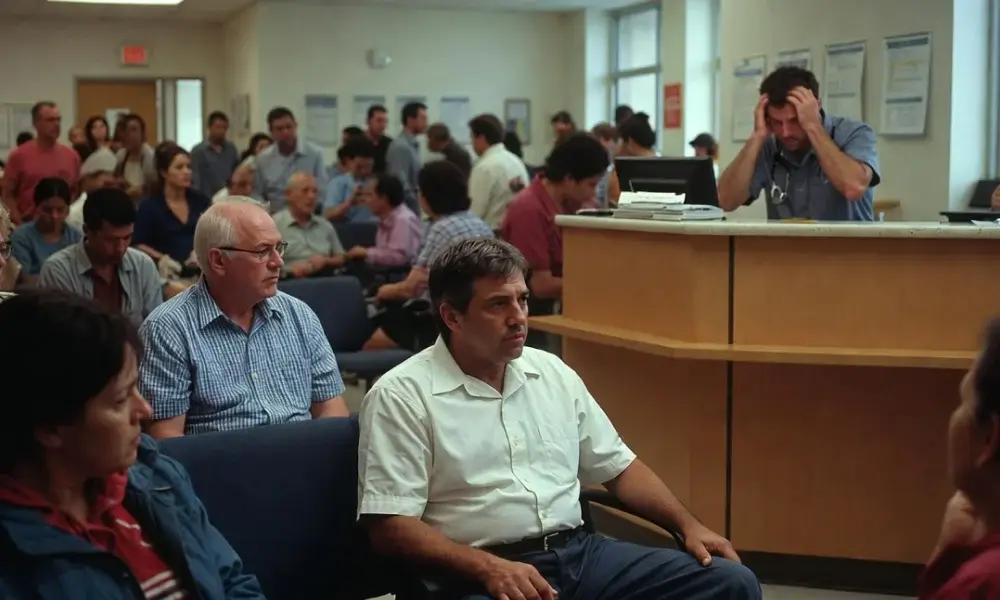
Triage is the first and most critical decision point in patient flow. Early decisions affect scheduling, room assignment, staff workload, and patient experience.
Poor triage can result in:
- Longer wait times
- Overloaded clinicians
- Increased patient dissatisfaction
Effective triage improves:
- Wait times by aligning patients with appropriate care
- Staff workload by ensuring the right clinician sees the right patient
- Patient satisfaction by managing expectations
Example: A clinic using smart triage reduced average wait times by 40% for urgent cases while maintaining routine appointment schedules.
Strategies to Optimize Patient Flow Management
Smart triage alone cannot fix flow. It is most effective when integrated with scheduling, staffing, physical layout, and communication.
1. Triage + Scheduling Alignment
Triage should inform:
- Appointment type (urgent vs routine)
- Timing (same-day, next-day, future)
- Duration (short vs complex visits)
Scheduling systems must adapt to triage outcomes. Static scheduling breaks patient flow, while adaptive scheduling supports balanced clinic load.
2. Triage-Informed Staffing Decisions
Triage data helps anticipate:
- Workload distribution
- Nurse vs physician involvement
- Peak demand periods
Proactive staffing reduces burnout, prevents errors, and supports efficient patient flow.
3. Physical Layout and Patient Routing
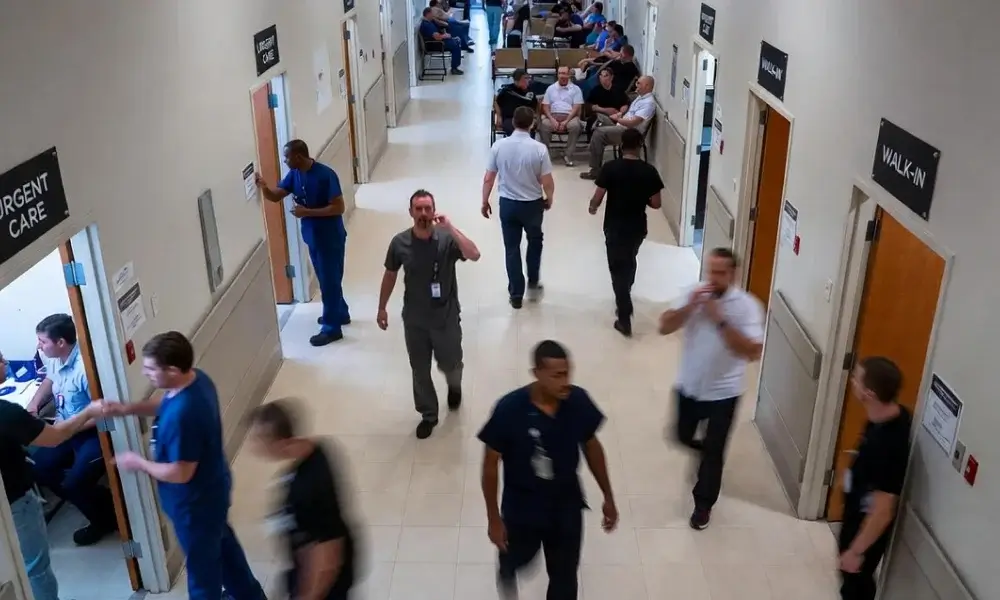
Triage enables:
- Separation of urgent and routine patients
- Faster room assignment
- Reduced congestion
Layout must support triage priorities; ignoring patient acuity disrupts streamlined patient flow.
4. Communication Across Teams and Patients
Triage improves:
- Internal handoffs
- Patient expectation setting
- Wait-time transparency
When all teams understand who is waiting, why, and what happens next, flow is smoother.
Benefits of Smart Triage for GP Clinics
- Shorter waits → higher satisfaction → better retention
- Balanced workloads → reduced burnout → improved efficiency
- Early data capture → faster visits → better flow performance
- Clear expectations → fewer complaints → stronger trust
Case Study: A GP clinic using smart triage improved patient retention by 25% within 6 months while reducing staff overtime by 20%.
Tools & Technologies That Enable Smart Triage
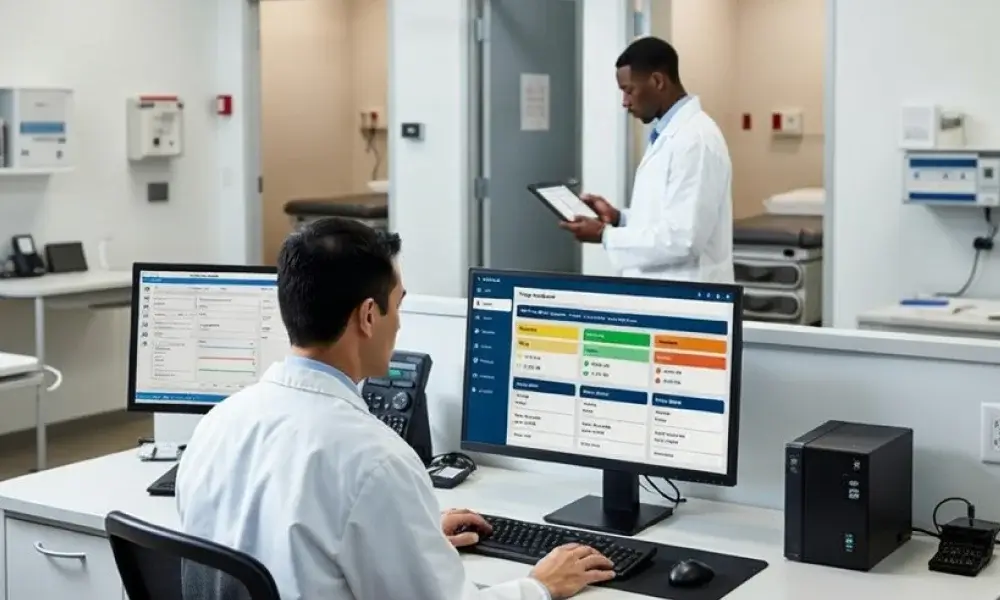
Digital tools enhance triage by providing:
- Real-time visibility into clinic capacity
- Automation of intake and prioritization
- Decision support for staff
Examples: digital intake forms, triage dashboards, automated room allocation. These improve efficiency without replacing clinical judgment.
Implementation Roadmap
Step-by-step approach:
- Assess current patient flow and identify bottlenecks
- Standardize triage criteria and processes
- Align triage with scheduling, staffing, and layout
- Train staff and manage change
- Monitor performance and refine continuously
Conclusion
Patient flow is an operational strategy, not a technology feature. Clinics treating it as an afterthought continue to face congestion, delays, and staff burnout.
Smart triage acts as a multiplier. When integrated with scheduling, staffing, space, and communication, it enables smoother patient flow, optimizes patient flow, faster visits, and balanced clinic operations.
GP clinics that implement smart triage as part of a broader patient flow management strategy position themselves for sustainable growth, higher patient satisfaction, and more efficient care delivery.
FAQs
What is patient flow management in a GP clinic?
It’s the process of managing how patients move through the clinic, from booking to discharge, to reduce wait times and improve efficiency.
How does smart triage improve patient flow?
Smart triage prioritizes patients based on urgency, helping clinics assign the right appointment, staff, and room quickly, which speeds up overall flow.
What are common challenges that disrupt patient flow?
Challenges include unclear prioritization, front-desk delays, poor scheduling, overbooking, and inconsistent triage processes.
Can smart triage reduce staff burnout?
Yes. It helps staff work proactively, balance workloads, and reduce stress caused by unexpected patient surges.
What tools support smart triage?
Digital intake forms, triage dashboards, scheduling software, and real-time capacity tracking tools.